

4 hrs ago
Globally Benchmarked Programmes Aim to Prepare Future Business Leaders

Businesses are changing quickly because of new technology and shifting customer needs.
The article says future leaders need more than technical skills.
They also need to make thoughtful decisions, work with others and adapt when situations change.
It argues that management programmes can help by combining international ideas with knowledge of local businesses.
Students can practise using what they learn through projects, simulations and business cases.
Shorter programmes, such as one-year MBAs, may let working professionals study without taking a long break from their jobs.
The University of Aberdeen Mumbai's one-year MBA is given as an example.
The article says the value of education should include better judgement and confidence, not just a degree or a pay rise.
It concludes that universities can help prepare professionals to understand and shape change.

The article argues that AI, automation, digital disruption and other changes are reshaping leadership needs.
It cites the NIIT India Skills Gap Report 2026 on employers' difficulties finding industry-ready skills in areas including AI, digitalization, data analysis and leadership.
It says globally benchmarked programmes can combine international perspectives with knowledge of local business environments.
It highlights applied learning, such as business cases, consultancy projects, simulations and industry interactions.
The University of Aberdeen Mumbai's one-year MBA is presented as combining core business disciplines with AI, digital disruption, innovation, sustainability and responsible leadership.
- Who
- Professionals seeking leadership and management skills, and universities providing management education.
- What
- An article discusses how globally benchmarked programmes, including a one-year MBA, can prepare professionals for changing business environments.
- Where
- India, with international perspectives also discussed.
- When
- The article refers to current and ongoing changes in business and work; it cites the NIIT India Skills Gap Report 2026.
- Why
- To address changing workplace demands and skills gaps in areas such as AI, digitalization, data analysis and leadership.
Key facts
- Programme example
- One-year MBA at the University of Aberdeen Mumbai
- Report cited
- NIIT India Skills Gap Report 2026
- Skills mentioned
- Artificial intelligence, digitalization, data analysis and leadership
- Learning methods discussed
- Business cases, consultancy projects, simulations and interactions with industry practitioners
- MBA curriculum areas named
- Artificial intelligence, digital disruption, innovation, sustainability and responsible leadership
- Author
- Professor Jo-Anne Murray, Vice-Principal (Pro-Vice Chancellor), Education at the University of Aberdeen since February 2024
Sources
Related news
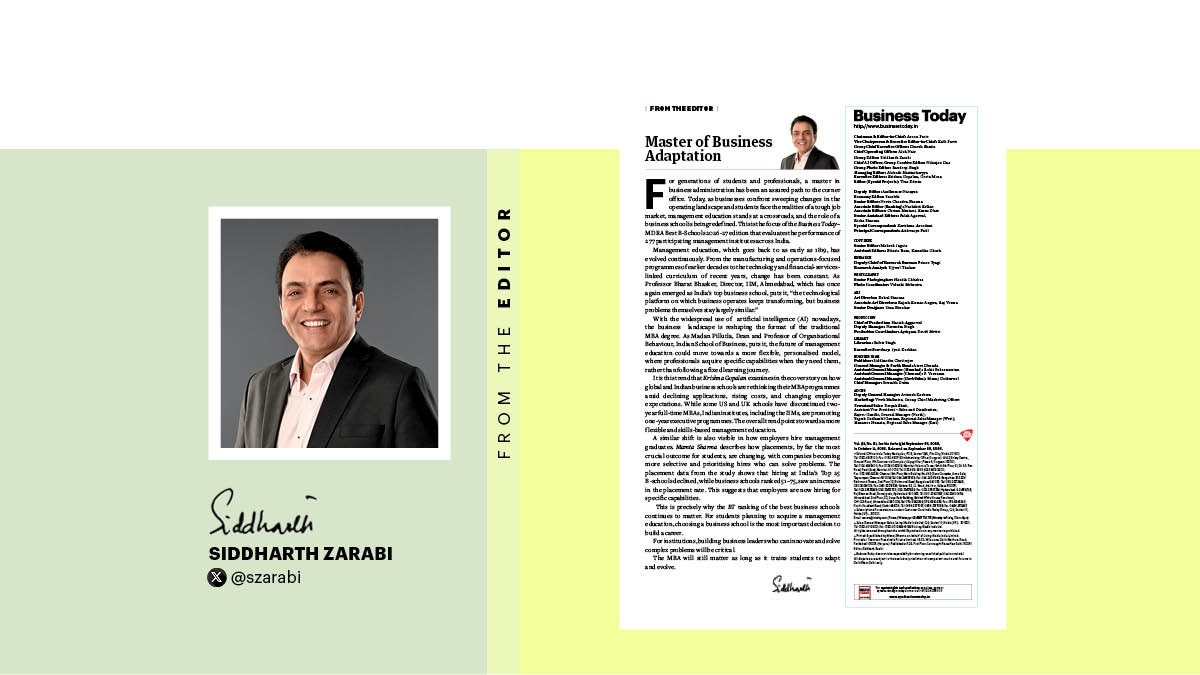
Indian Business Schools Rethink MBA Programmes Amid Change

Why India’s Two-Year MBA Faces Pressure as Students Reconsider
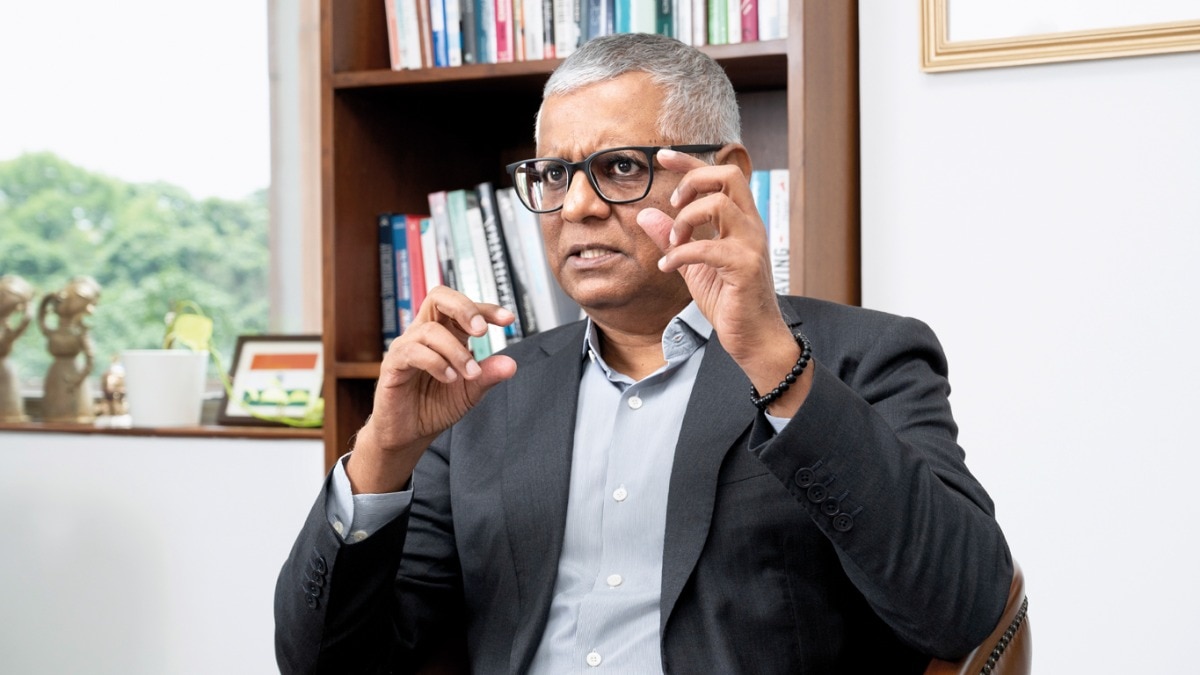
ISB Dean Says Business Schools Must Offer Relevant, Flexible Learning

India’s One-Year MBA Programs Offer Faster Career Advancement
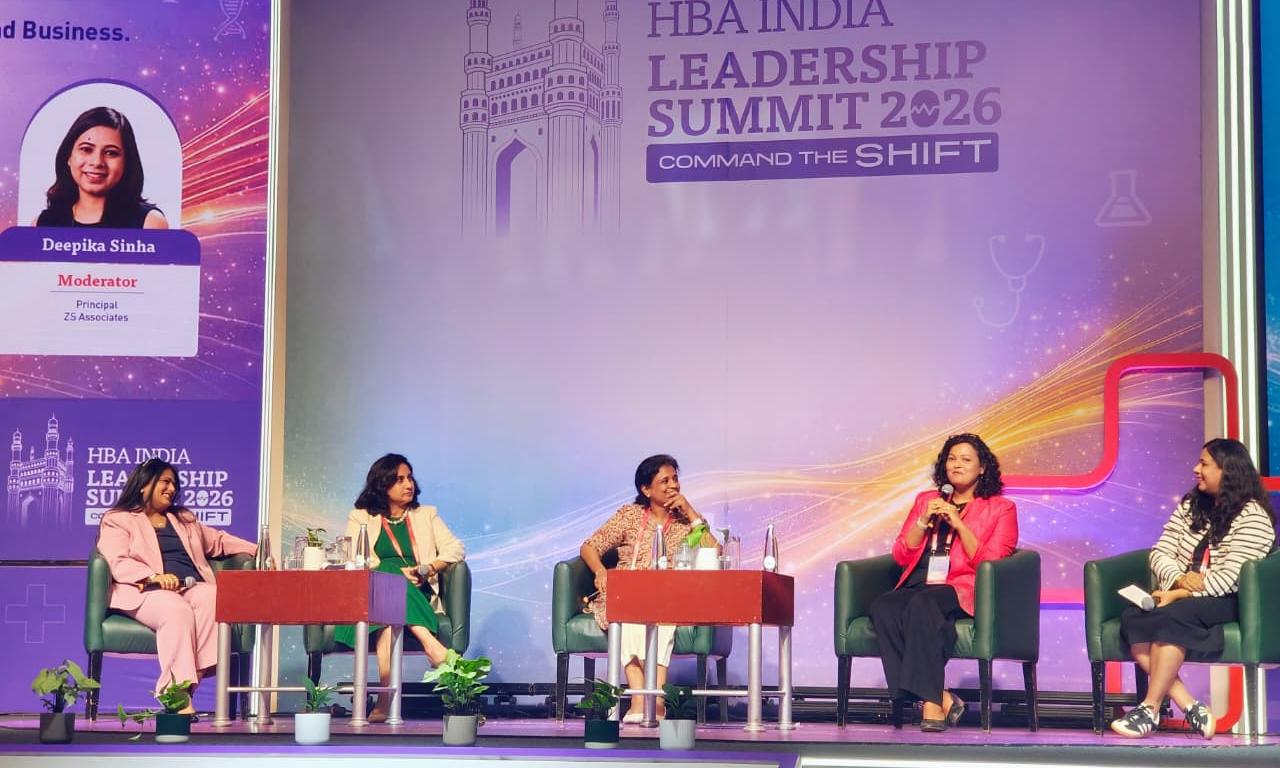
HBA India Summit Develops Leaders for AI-Driven Global Healthcare

IIM Visakhapatnam Opens Admissions for Fourth EMBA Batch

Earth’s Deep Mantle May Store Two Pacific Oceans’ Water

AI is flooding online book market with poor translations
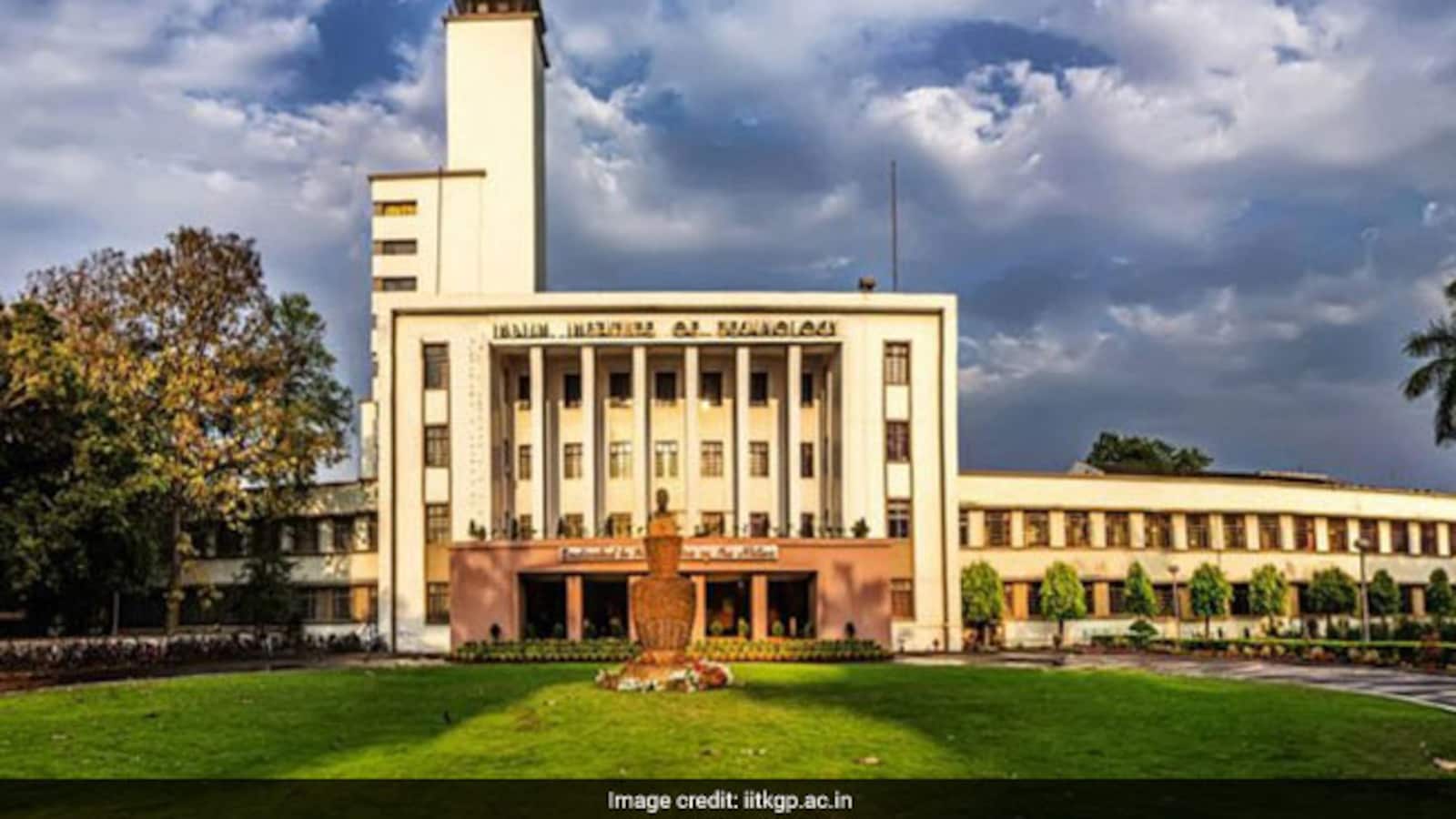
IIT Kharagpur and Leeds University sign MoU

Elpro International School Achieves Perfect CBSE Scores
