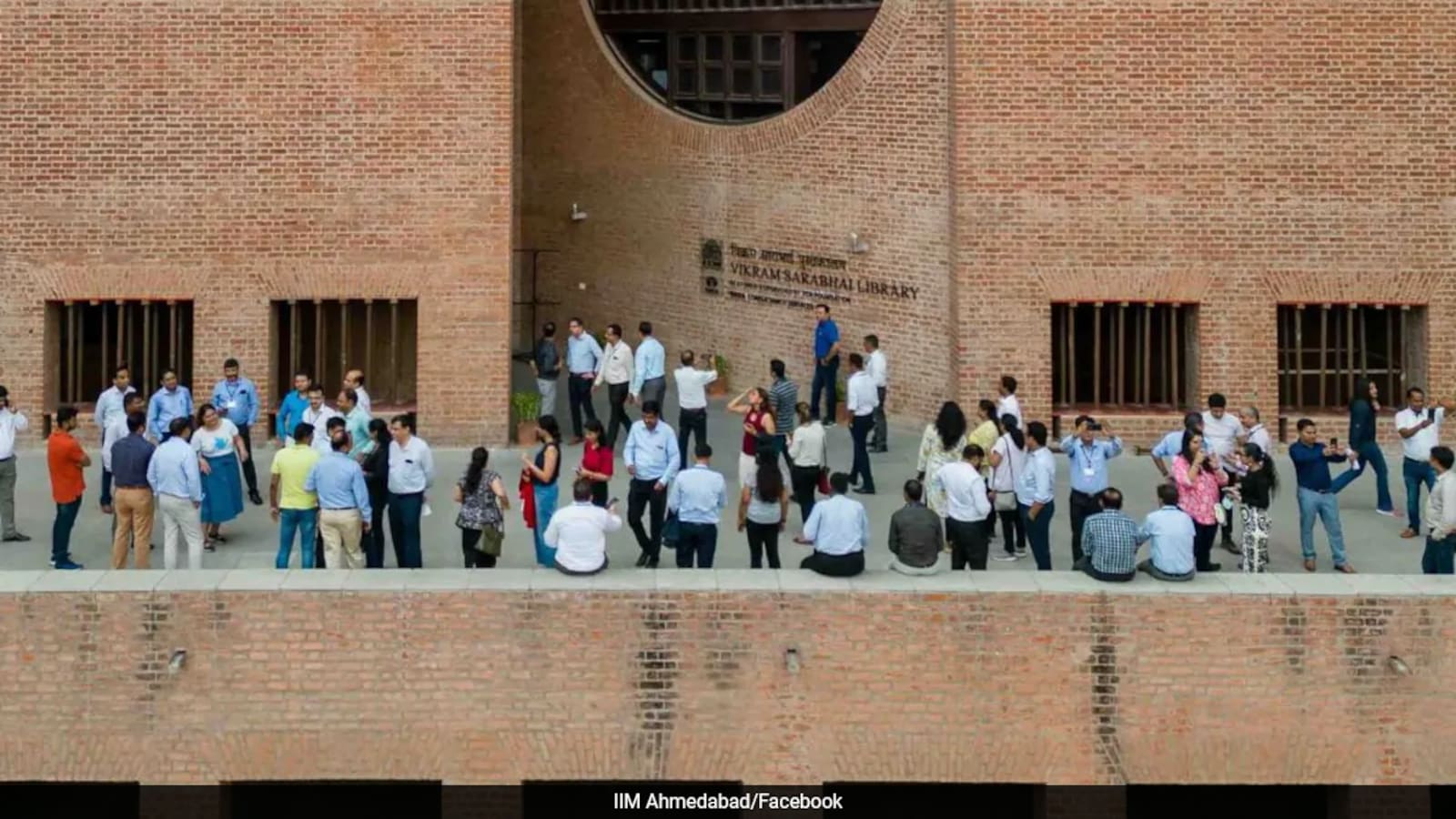
2 hrs ago
Why India’s Top B-Schools Face Lower MBA Admissions
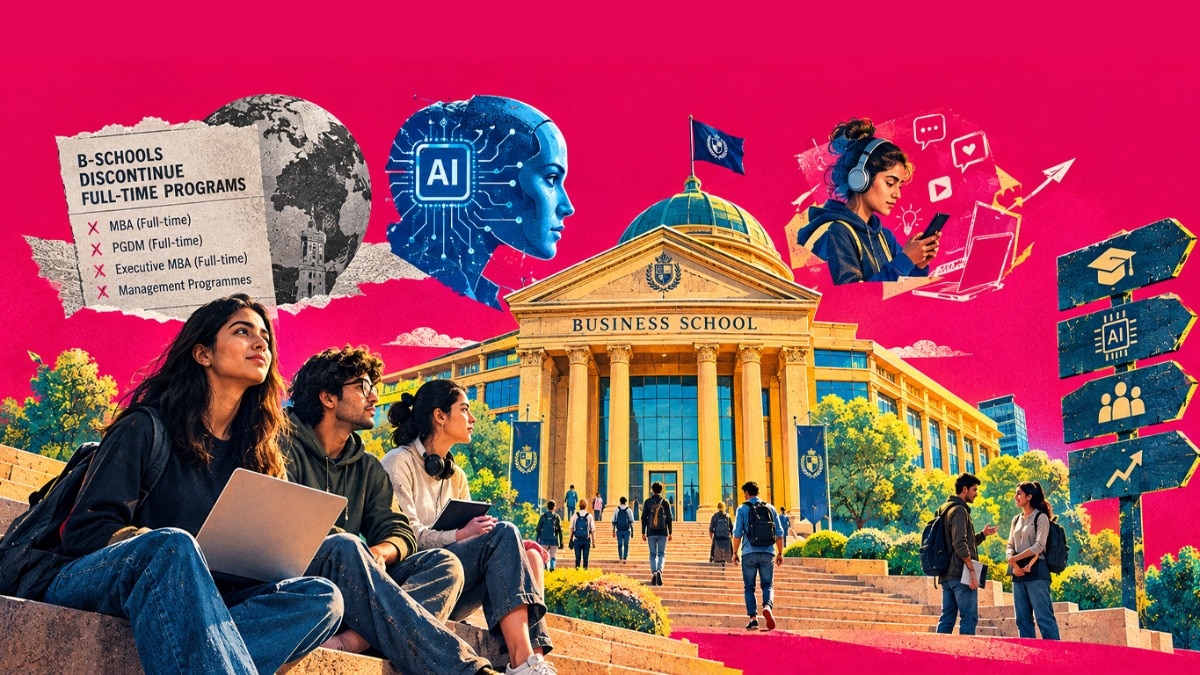
Many students in India are thinking more carefully about whether to pursue a two-year MBA.
The course can take a lot of time and money, and some students see other ways to build a career.
Some choose technology jobs, specialised courses or shorter programmes instead.
Artificial intelligence is also changing the skills employers want.
Companies value people who can understand business, use technology and make good decisions.
Some leaders say an MBA still gives students useful skills.
Others say business schools need to change what and how they teach.
They are considering more practical learning and stronger links to technology.
The article says the MBA is changing, rather than simply disappearing.

Fewer students took the Common Admission Test in 2025 than in 2024, while the article describes lower admissions at India’s top 25 B-schools.
Students are weighing the time and cost of a traditional two-year MBA against shorter programmes and other career or education options.
IIM leaders say technology careers, AI and specialised study are drawing some prospective students away from management programmes.
Employers increasingly seek adaptability, digital fluency, problem-solving and the ability to work across business and technology, alongside management fundamentals.
Business-school leaders and recruiters differ in emphasis but generally call for management education to evolve through more interdisciplinary, experiential and technology-focused learning.
- Who
- Prospective MBA students, Indian business schools and employers.
- What
- The article examines why MBA admissions and entrance-test participation are lower and how management education is responding.
- Where
- India, with examples and comparisons involving business schools in the United States and the United Kingdom.
- When
- The article compares CAT participation in 2025 with 2024 and discusses changes underway in recent years.
- Why
- Students are considering the cost and duration of an MBA alongside technology careers, specialised study and other pathways; employers’ needs are also changing.
Reasons the traditional MBA is under pressure
Reasons management education remains valuable
MBA value and alternatives
Reasons the traditional MBA is under pressure
Students may question the cost and time commitment of a two-year MBA as technology jobs, specialised programmes and other pathways become more attractive.
Reasons management education remains valuable
Several leaders say an MBA still builds business understanding, structured problem-solving and decision-making, and can complement technology skills.
AI and management learning
Reasons the traditional MBA is under pressure
AI and specialised study may reduce the need for some traditional management training, while employers increasingly recruit people from a wider range of backgrounds.
Reasons management education remains valuable
Business-school leaders argue that human judgment, leadership and the ability to choose problems and mobilise people remain important, and that MBA programmes should adapt.
Key facts
- Entrance-test trend
- The article says fewer students took CAT in 2025 than in 2024.
- Indian management institutes
- The article estimates that India has around 4,000 institutes offering management degrees.
- Two-year MBA alternatives
- IIM Calcutta Director Alok Kumar Rai expects one-year degrees to become more prominent.
- Prior experience
- The article says one-year executive programmes at top B-schools typically require about five years of work experience.
- Employer priorities
- Interviewed employers highlight adaptability, digital fluency, problem-solving, collaboration and implementation.
- New programme
- IIM Lucknow welcomed its first batch of a four-year BS in AI and Business Analytics.
Quotes
Rishikesh T. Krishnan
Vice Chancellor of Ashoka University
“The question is not whether AI will make an MBA obsolete, but whether business schools are willing to reinvent the MBA for an AI-enabled world.”
 businesstoday.in
“Clearly, the one-year degree is the future and our curriculum needs to be reviewed from that perspective.”
businesstoday.in
Sources
Related news
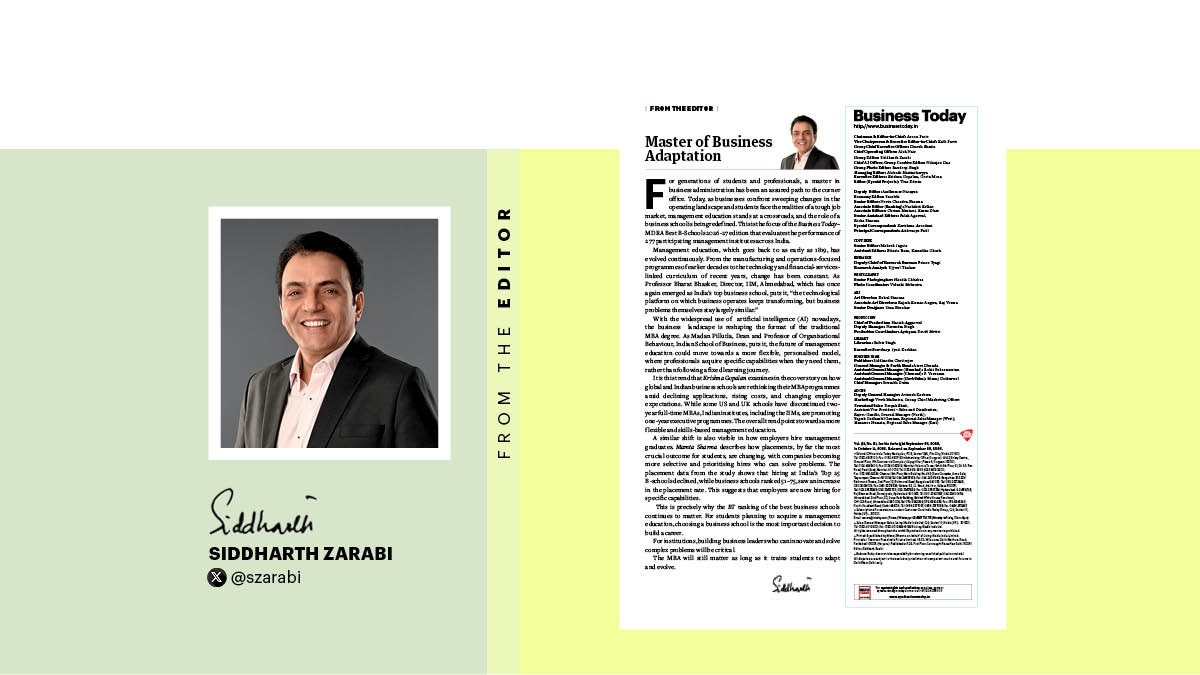
Indian Business Schools Rethink MBA Programmes Amid Change

India’s One-Year MBA Programs Offer Faster Career Advancement

LinkedIn Ranking Places ISB Fifth; Eight Indian Schools Listed
QS 2027 Shows Indian B-Schools Lag in Specialised Masters

Top Three Indian IIMs Slip in QS 2027 Rankings

Finance Leads MBA Placements as AI Reshapes Marketing Careers
CAT 2026 Correction Window Opens October 5; Closes October 6
IIM Bangalore 2027 Admissions: Fees, Financial Aid And Scholarships
CAT 2026 Registration Window Closes September 22 at 5 PM

September 22, 2026: India, World, Sports and Education Headlines