3 weeks ago
Oil prices rise as US-Iran peace hopes fade, ships attacked
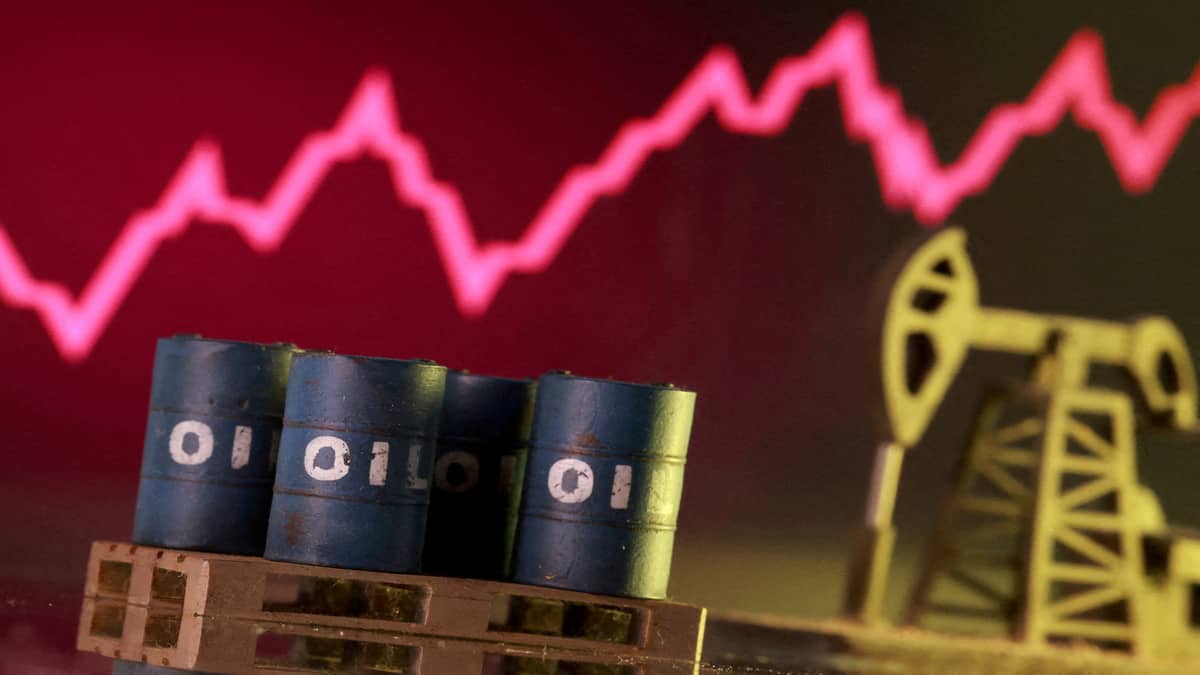
Oil is a liquid from the ground that is turned into fuel for cars, planes, and ships.
Its price goes up when people worry there might not be enough of it.
This week, the price of oil went up because a peace deal between the United States and Iran looks less likely.
Ships carry oil through a very important narrow waterway called the Strait of Hormuz.
Some ships were attacked near that waterway and another route called Bab el-Mandeb, so fewer ships are passing through now.
In one attack, a cargo ship called Tihamah was hit, and sadly six people died.
Iran says the waterway will stay closed unless the United States agrees to its conditions.
New data shows the United States has a lot of extra oil stored up, which could help.
Still, many countries worry that fuel and other goods could become more expensive.
That is why people around the world are watching this situation carefully.

Brent crude futures rose 72 cents to $89.63 a barrel, while WTI gained 71 cents to $83.91 as US-Iran peace hopes faded.
Attacks on commercial ships in the Strait of Hormuz and Bab el-Mandeb Strait stoked fears of prolonged disruption to crude supplies.
A Houthi attack on the Egyptian-owned cargo ship Tihamah in the Bab el-Mandeb killed four crew members and two Yemeni rescuers – the first reported fatalities from Houthi strikes since the Iran war began.
Iranian security official Mohsen Rezaei said the Strait of Hormuz would remain closed unless Washington accepts Tehran's conditions, including releasing frozen assets and ending other regional conflicts.
US crude inventories rose by about 9.1 million barrels in the week ended August 7, a much bigger build than the decline expected in a Reuters poll.
- Who
- The United States and Iran, Yemen's Iran-aligned Houthi movement, and international oil markets.
- What
- Oil prices rose as fading hopes of a US-Iran peace deal and fresh ship attacks raised fears of prolonged disruptions to global crude supplies.
- Where
- The Strait of Hormuz and Bab el-Mandeb Strait, with knock-on effects for global importers including India.
- When
- On Wednesday, with both benchmarks posting their highest closes since July 31 in the previous session; inventory data covered the week ended August 7.
- Why
- Attacks on commercial shipping and Iran's threat to keep the Strait of Hormuz closed stoked concerns that the conflict will keep disrupting oil flows.
Geopolitical Risk View
Inventory Build View
Oil price direction
Geopolitical Risk View
Fading US-Iran peace hopes, ship attacks and Iran's threat to keep the Strait of Hormuz closed support a geopolitical risk premium in oil prices, with about 5.5 million barrels per day of production shut in during July.
Inventory Build View
A larger-than-expected 9.1 million barrel rise in US crude inventories is a bearish signal that could ease near-term concerns about market tightness if confirmed by official EIA data.
Return of shipping through Hormuz
Geopolitical Risk View
Iranian security official Mohsen Rezaei says the strait will remain closed unless Washington accepts Tehran's conditions, including releasing frozen assets and ending other regional conflicts.
Inventory Build View
The EIA expects shipping through the Strait of Hormuz to improve from September as diplomatic efforts between Washington and Tehran continue.
Key facts
- Brent crude futures
- $89.63 a barrel, up 72 cents (0.81%)
- WTI crude
- $83.91 a barrel, up 71 cents (0.85%)
- Strait of Hormuz traffic
- Six vessels on Monday vs a 10-day average of about 11; roughly 125-140 before the war
- US crude inventories
- Up about 9.1 million barrels in the week ended August 7 (API data)
- Shut-in oil production (July)
- About 5.5 million barrels per day, over 5% of global oil consumption
- Tihamah attack
- Four crew members and two Yemeni rescuers killed in Bab el-Mandeb
- EIA production outlook
- About 600,000 barrels per day of regional production may stay offline through 2027
- Iran's conditions for reopening Hormuz
- Release of frozen Iranian assets and an end to other regional conflicts
Sources
Related news

Oil Prices Surge Above $90 as US-Iran Tensions Escalate

Oil Prices Rise Fourth Day as Hormuz Fears Grow
Oil Prices Rise as US-Iran Strikes Threaten Hormuz Supplies
Oil prices rise as US-Iran talks stall over Hormuz
Oil Prices Slide as Hormuz Reopening Eases Supply Fears

Saudi Arabia Says Iranian Tanker Attack Killed Two Sailors
U.S.-Iran Exchange Escalates Across Middle East, Markets Slide
Trump Aides Seek Quiet Iran War Before Midterm Elections
US Warns Middle East Travelers Amid Escalating Iran-Linked Tensions

Indian Stocks Slide as Oil, Conflict and Yields Rise