2 hrs ago
Kaziranga Shelters More Than 2,600 Greater One-Horned Rhinos

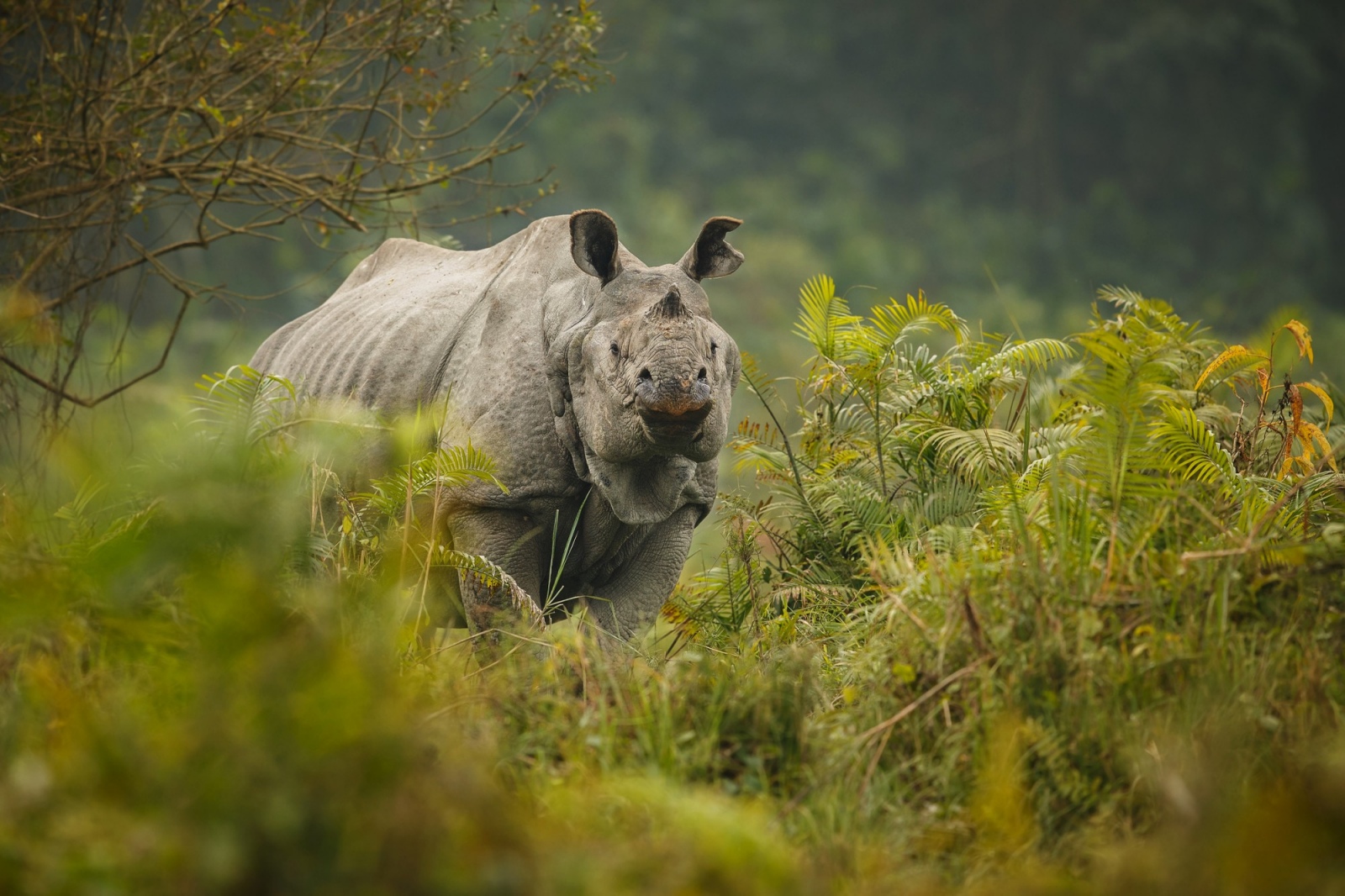
Kaziranga National Park is a very important home for one-horned rhinos.
More than 2,600 of these rhinos live there.
This is nearly two-thirds of all the world’s one-horned rhinos.
Long ago, the animals lived across much of the Indian subcontinent.
Over about 3,000 years, many moved toward northeastern India.
That region had steadier climate conditions and less pressure from people.
Some rhino groups in northwestern areas disappeared.
Kaziranga now protects the animals through anti-poaching work, habitat care and help from local communities.

Kaziranga National Park is home to more than 2,600 greater one-horned rhinoceros.
The park contains nearly two-thirds of the world’s one-horned rhinos.
The species once ranged across much of the Indian subcontinent, according to historical and scientific studies.
Over roughly 3,000 years, rhinos moved toward northeastern India, where climate stability and lower human pressure offered favorable conditions.
Anti-poaching measures, habitat management and community involvement have helped protect and increase the rhino population.
- Who
- More than 2,600 greater one-horned rhinoceros in Kaziranga National Park.
- What
- Kaziranga is described as a major global stronghold for the greater one-horned rhinoceros.
- Where
- Kaziranga National Park in Assam, northeastern India.
- When
- The species’ movement toward northeastern India occurred over roughly 3,000 years.
- Why
- The region’s climate stability and lower human pressure favored the rhinos, while conservation measures helped protect and grow the population.
Key facts
- Location
- Kaziranga National Park, Assam, northeastern India
- Rhino population
- More than 2,600 greater one-horned rhinoceros
- Global significance
- The park is home to nearly two-thirds of the world’s one-horned rhinos
- Historical range
- The species once lived across the Indian subcontinent
- Migration period
- Movement toward northeastern India took roughly 3,000 years
- Conservation measures
- Anti-poaching efforts, habitat management and community involvement
- Regional losses
- Rhino groups in northwestern areas faced extinction
Sources
Related news

Assam Reports 3,260 Rhinos and Zero Poaching in 2025

Assam Reports Zero Rhino Poaching as Population Grows
India Links Rhino Recovery to Grassland Protection and Restoration

Rhino Calf Rescued Near Jaldapara After Tea Garden Straying

Scientific Survey Assesses Wildlife and Biodiversity in Kothagudem Forests

Assam Returns World’s Smallest Pig to the Wild

Delhi-NCR Forecast Clear Skies as Temperatures Near 34°C

India’s Weakest Monsoon in Ten Years Threatens Rural Demand

Guwahati Homemaker Builds Rs 2.5 Lakh Monthly Sweets Business