1 week ago
Venezuela’s Democratic Test Begins Under Expanding U.S. Influence
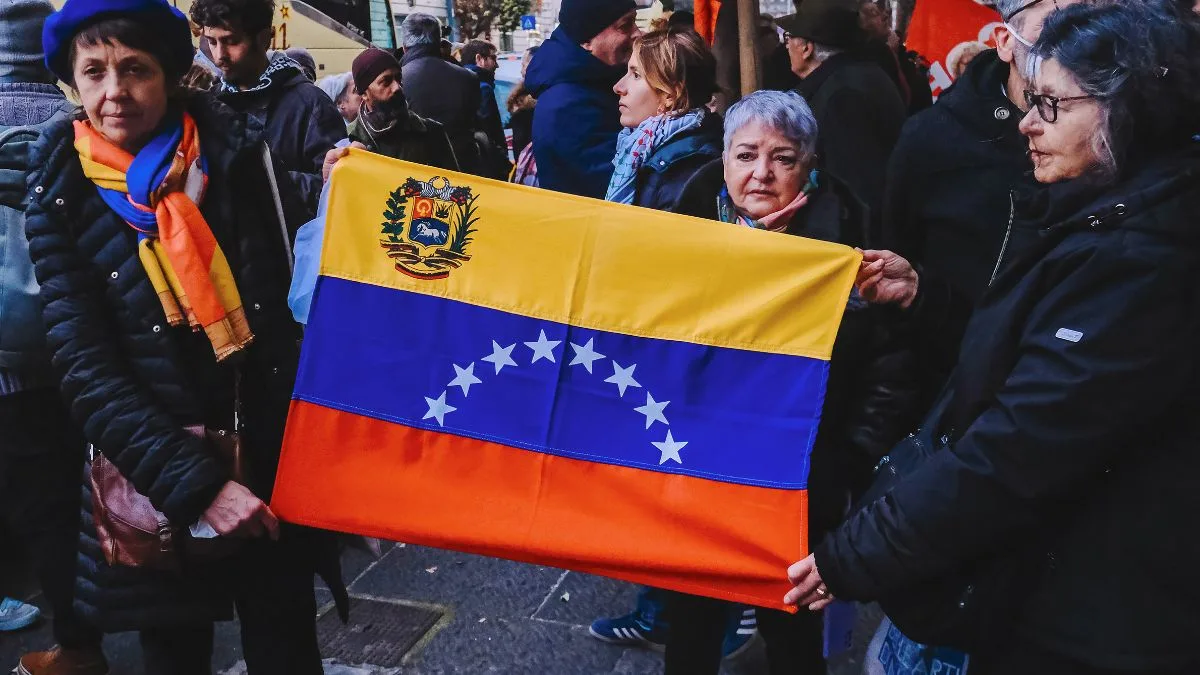
Venezuela is trying to change its government after Nicolás Maduro left power.
However, many of the political systems created under him are still in place.
Government and opposition leaders are talking about changing the Supreme Court and improving elections.
They are also discussing releasing political prisoners.
The article says strong institutions should come before a new election.
María Corina Machado, an important opposition leader, is not part of the talks.
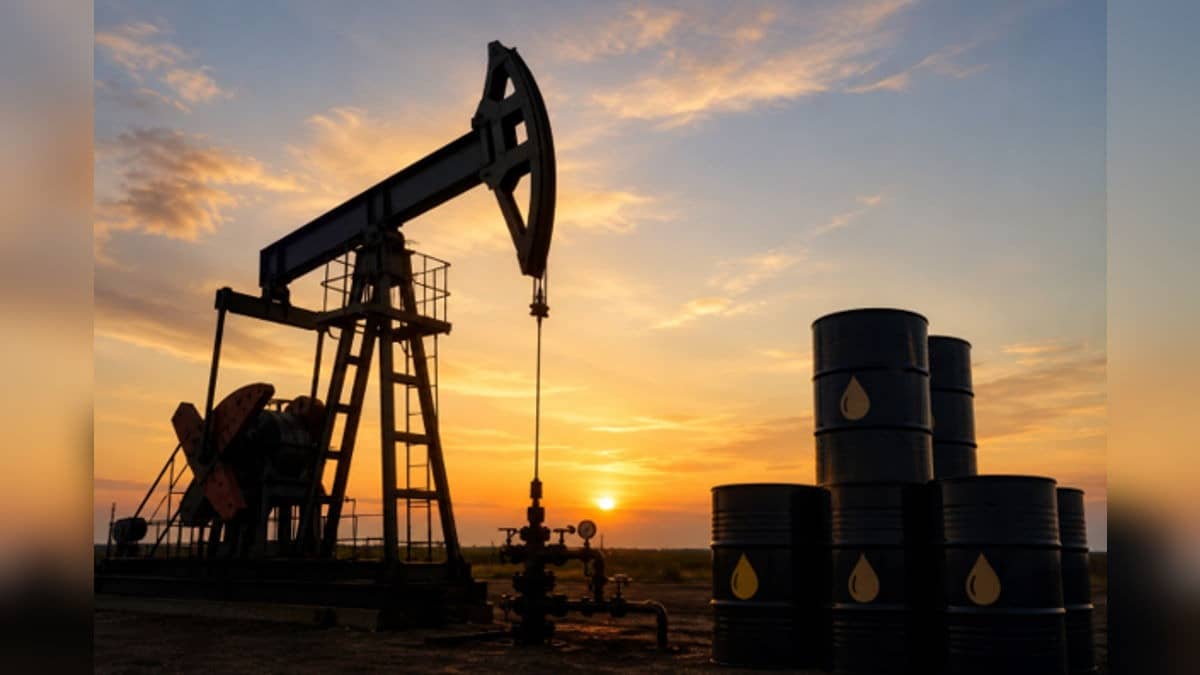
The United States has major influence over Venezuela’s oil money, which could help rebuild the country.
But Venezuela’s future will depend on whether its people can freely choose their own government.

Nicolás Maduro is gone, but the political system he built remains in place under Delcy Rodríguez.
Government and opposition representatives have agreed to renew Venezuela’s Supreme Court and are discussing electoral reforms and political-prisoner releases.
The article argues that courts, electoral authorities and security institutions must be strengthened before genuinely competitive elections are held.
María Corina Machado, described as the opposition leader with the strongest popular mandate, is not part of the negotiations supported by the United States.
United States influence over Venezuela’s oil revenues could fund reconstruction, but may also create political dependence if control and transparency are not restored.
- Who
- Delcy Rodríguez, government and opposition representatives, María Corina Machado, and the United States are central to the transition.
- What
- Venezuela is negotiating institutional reforms while the United States exerts strong influence over its oil industry and revenues.
- Where
- Venezuela.
- When
- The article describes the country’s current political transition after Nicolás Maduro’s departure.
- Why
- The stated aim is to rebuild courts and other institutions, revive the economy, release political prisoners, and eventually hold genuinely competitive elections.
Institutional Reform Opportunity
Risks of External Dependence
Order of transition
Institutional Reform Opportunity
Rebuilding courts, electoral authorities and security institutions before holding elections could create a more durable democracy.
Risks of External Dependence
Delaying elections while institutions are rebuilt could leave political power concentrated in unelected or externally backed actors.
Role of the United States
Institutional Reform Opportunity
U.S. pressure and influence could help establish independent courts, credible elections and political freedoms.
Risks of External Dependence
If the United States prioritizes a compliant government and reliable oil access, Venezuela could exchange one form of domination for another.
Oil and sovereignty
Institutional Reform Opportunity
International energy investment and petroleum revenues could support reconstruction after economic collapse.
Risks of External Dependence
Without transparency and a timetable for restoring Venezuelan control, oil management could deepen political dependence.
Key facts
- Current leader
- Delcy Rodríguez, formerly Nicolás Maduro’s deputy, remains in charge.
- Negotiation breakthrough
- Government and opposition representatives agreed to renew Venezuela’s Supreme Court.
- Other reforms under discussion
- Electoral reforms and the release of political prisoners.
- Opposition absence
- María Corina Machado is not part of the opposition delegation supported by the United States.
- U.S. influence
- The United States has unprecedented influence over Venezuela’s oil industry and petroleum revenues.
- Economic opportunity
- Oil revenues and renewed international energy investment could help finance reconstruction.
- Central democratic test
- Venezuelans must ultimately be free to choose a government that the United States did not select for them.
Sources
Related news
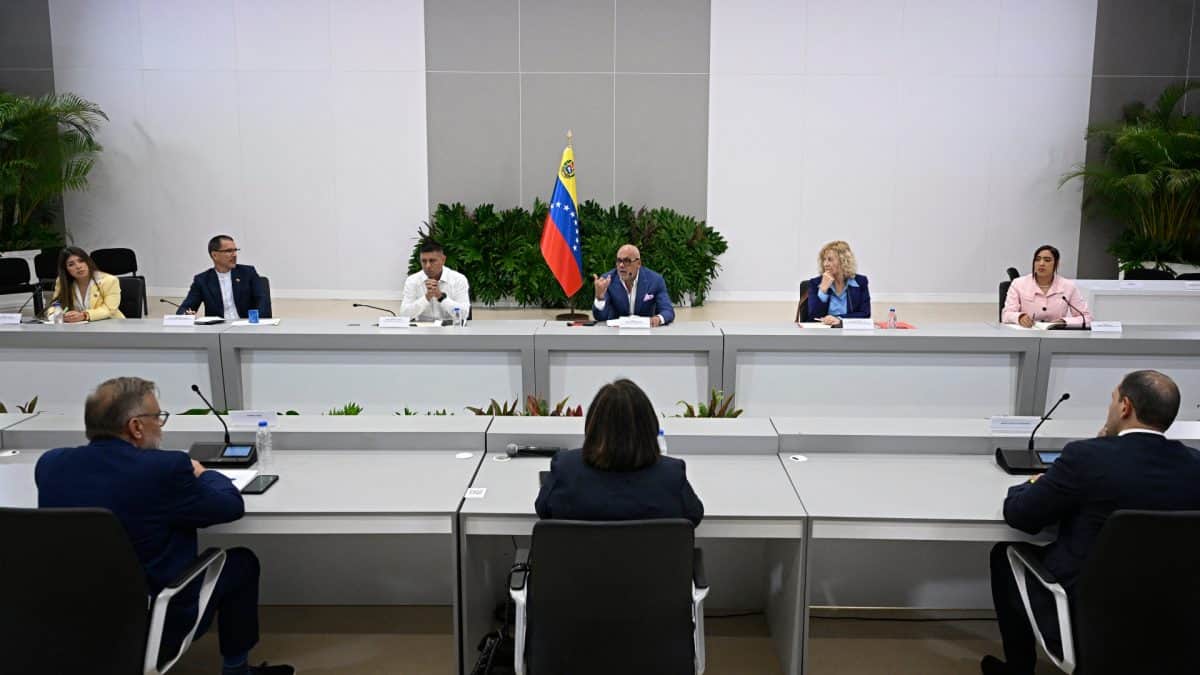
Venezuela begins US-backed political transition talks in Caracas

Venezuelan government and opposition delegation begin U.S.-backed talks
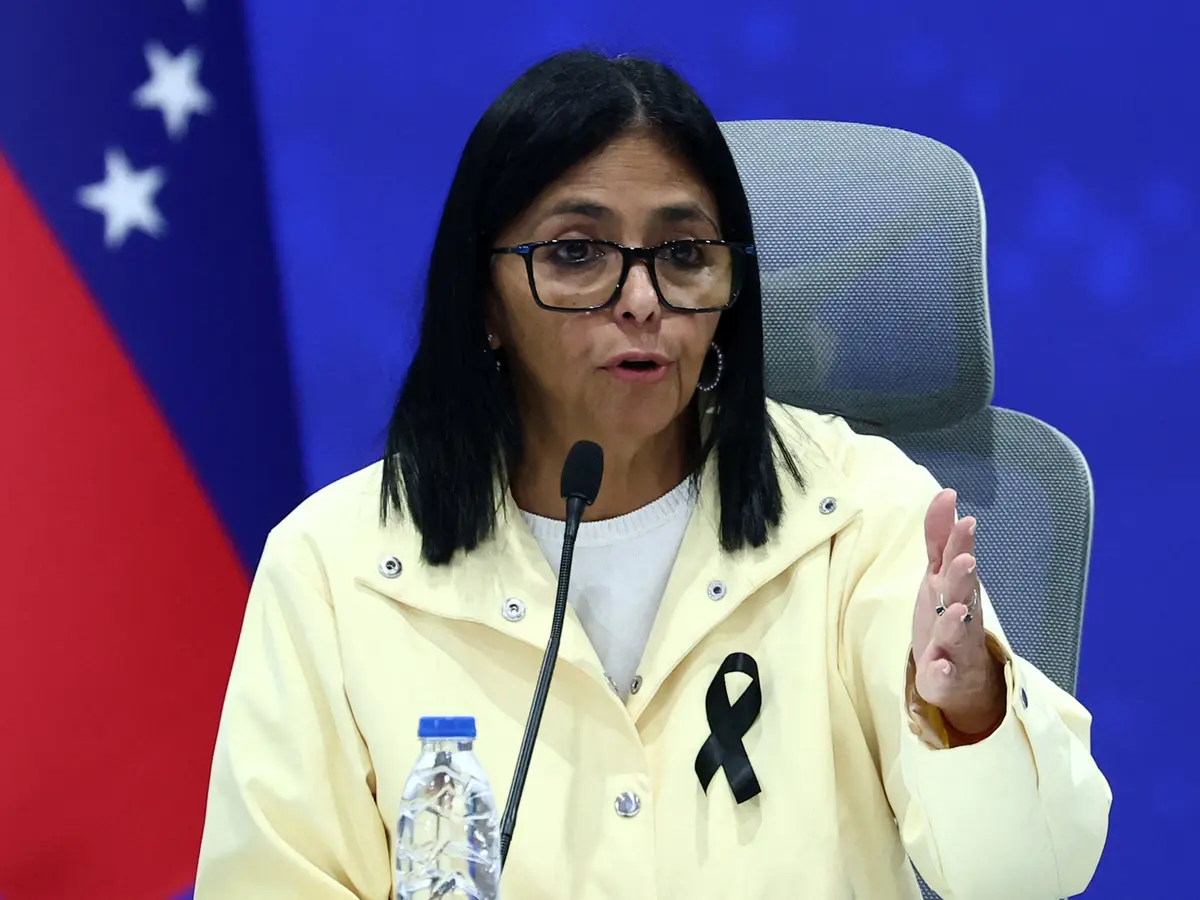
Venezuela Defends Sweeping US Oil Deal Amid Sovereignty Concerns

Trump-Venezuela Oil Deal Faces Political and Investment Risks
Trump Announces U.S.-Venezuela Agreement Over Major Oil Reserves

Chevron Plans $7 Billion Venezuela Expansion Amid U.S. Oil Push

OVL’s Venezuela oil prospects brighten after US clearance
India’s Russian Oil Imports Fall Amid Supply Pressure
New Oil Deals Could More Than Double Venezuela’s Production
Trump Pressures Refiners to Lower Gasoline Prices Before Midterms