

12 hrs ago
New Oil Deals Could More Than Double Venezuela’s Production
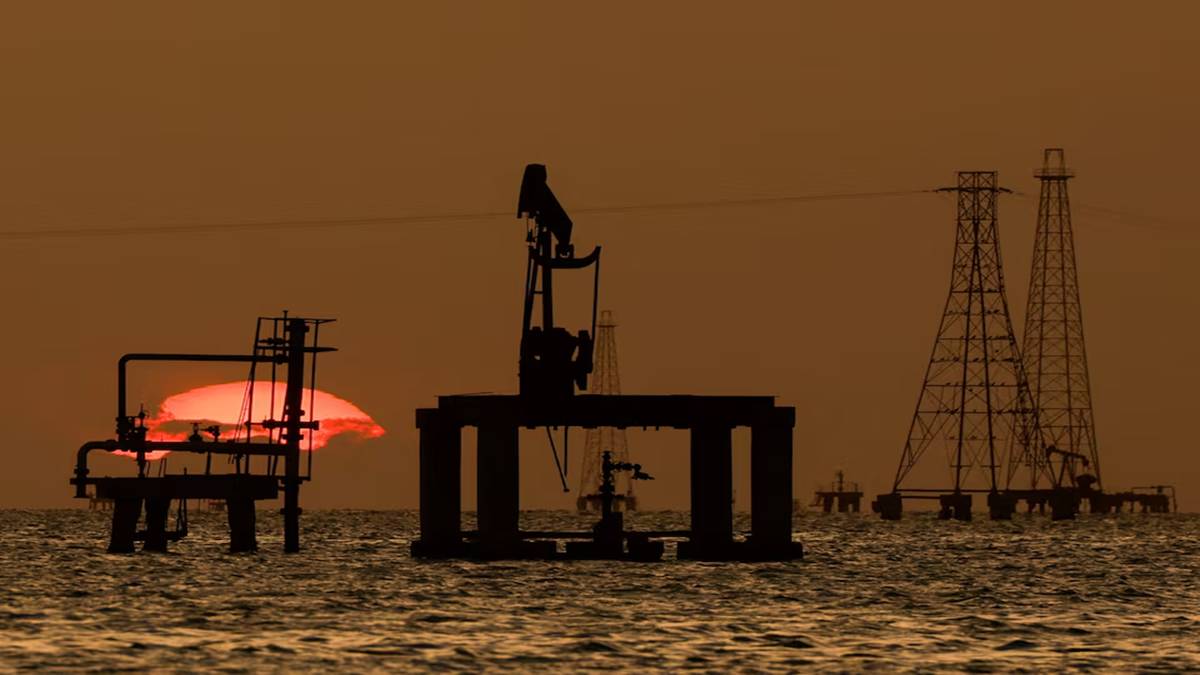
Venezuela used to produce more than 3 million barrels of oil each day.
Its production later fell because of poor investment, mismanagement, and US sanctions.
Recently, it has produced about 1.1 to 1.2 million barrels each day.
New oil agreements could more than double that amount over the next few years.
The agreements may also allow companies working with PDVSA to sell their own share of the oil.
However, Venezuela’s ports and oil-processing facilities have had problems.
A power blackout and crude-quality issues caused delays in loading tankers.
In August, Venezuela sold more oil to India and Europe but less to the United States.
More oil could eventually help lower US fuel prices, although limited refining capacity remains a problem.

Venezuela’s oil output has recovered to roughly 1.1–1.2 million barrels per day.
US Energy Secretary Chris Wright said new deals could more than double production.
Updated contracts would let PDVSA partners sell their oil independently.
August exports averaged 1.17 million barrels per day despite loading delays.
Shipments to the United States fell while sales to India and Europe increased.
- Who
- Venezuela, the US administration, American and foreign oil companies, PDVSA partners, and US Energy Secretary Chris Wright.
- What
- New oil agreements are expected to increase Venezuelan crude production and change how some oil is sold and exported.
- Where
- The deals are expected to be signed in Caracas, while Venezuelan crude is exported to the United States, India, and Europe.
- When
- The agreements are expected to be signed in the coming period, with production growth projected over the coming years; August exports averaged 1.17 million barrels per day.
- Why
- The agreements aim to attract investment, increase oil supply, expand exports, and potentially reduce US gasoline prices.
Expansion Case
Constraints Case
Production growth
Expansion Case
Chris Wright said the planned oil deals should more than double Venezuela’s crude production over the coming years.
Constraints Case
Venezuela’s production and exports remain limited by underinvestment, aging infrastructure, loading delays, and operational problems.
Export growth
Expansion Case
Updated contracts could let PDVSA partners arrange their own supply deals and sell their share of the oil, potentially sending more crude to the United States.
Constraints Case
August exports to the United States dropped sharply, while delays at PDVSA terminals and a power blackout hindered efforts to increase shipments quickly.
US fuel prices
Expansion Case
Wright said increased oil supply from new investment could help lower American gasoline prices in the next few weeks.
Constraints Case
Wright also said limited refining capacity, rather than crude supply alone, remains the main problem affecting gasoline and diesel costs.
Key facts
- Historical peak
- Venezuela’s oil production exceeded 3 million barrels per day in the late 1990s.
- Recent production
- Output has recently remained between 1.1 million and 1.2 million barrels per day.
- August exports
- Venezuela shipped an average of 1.17 million barrels of oil per day in August.
- US shipments
- Exports to the United States averaged 553,000 barrels per day in August, down from 786,000 in July.
- India shipments
- Exports to India rose 66% to 297,000 barrels per day in August.
- Europe shipments
- Exports to Europe nearly tripled to approximately 260,000 barrels per day in August.
- Fuel imports
- Venezuela imported about 166,000 barrels per day of fuel in August, more than double July’s 81,000 barrels per day.
Sources
Related news

Chevron Plans $7 Billion Venezuela Expansion Amid U.S. Oil Push

Venezuela Oil Output May Take Decades to Recover
Venezuela's oil exports to India surge, restoring key supplier role

Trump Announces U.S.-Venezuela Agreement Over Major Oil Reserves

Trump Ties Venezuelan Oil Deal to Strategic Reserve Refill
Trump Oil Deal Could Bring Venezuela $209 Billion In Taxes
House Democrats plan Trump business probes if they win majority

Venezuelan Tanker Heads to Louisiana

US Seizes Russian-Flagged Oil Tanker
Trump Assures Safety in Venezuela, Rules Out Putin Operation
