

1 hr ago
Hormuz Crude Flows Recover, But Oil Prices May Stay Elevated

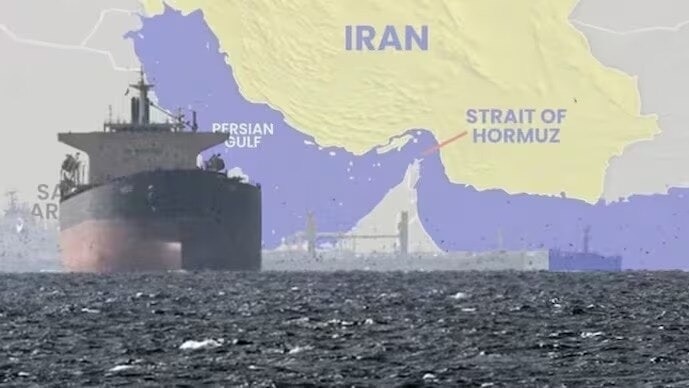
More crude oil is moving through the Strait of Hormuz again.
Shipments have returned to about the level seen before the war.
Some nearby oil shipments are even higher than before.
However, less gasoline and diesel are moving through the strait than before.
This means having crude oil available does not immediately make fuel cheaper.
Ships also face higher insurance, transportation, and security costs.
News about the conflict can still make oil prices change quickly.
Bank of Baroda expects oil to cost about $90–$100 per barrel through March, and India may continue paying relatively high import costs.

Crude shipments through the Strait of Hormuz reached a seven-day average of 13.5 million barrels per day, matching pre-war levels.
Middle Eastern crude shipments through the Persian Gulf and Red Sea reached 19.5 million barrels per day, above the estimated pre-war baseline of 17 million.
Refined-fuel shipments remain well below pre-war levels, limiting the effect of restored crude flows on gasoline and diesel supplies.
Higher insurance, freight, security, and rerouting costs continue to support oil prices despite improved physical availability.
Bank of Baroda expects crude to average about $90–$100 per barrel through March, while India’s import costs may remain relatively elevated.
- Who
- Oil shippers, traders, Kpler, Bank of Baroda, and Indian crude importers are involved.
- What
- Crude oil flows through the Strait of Hormuz have returned to pre-war levels, but refined-fuel shipments and oil-price relief remain limited.
- Where
- The main flow is through the Strait of Hormuz, with related shipments from the Persian Gulf and Red Sea affecting India and other markets.
- When
- The latest Kpler measurement was reported as of Monday; Bank of Baroda’s price outlook covers the six months through March.
- Why
- US military escorts, redirected pipelines, alternative routes, and ship-to-ship transfers have helped restore crude flows, while security, insurance, freight, and geopolitical risks continue to raise costs.
Key facts
- Hormuz crude flow
- 13.5 million barrels per day on a seven-day average as of Monday.
- Regional crude flow
- 19.5 million barrels per day from the Middle East, including the Persian Gulf and Red Sea, above a pre-war baseline of about 17 million barrels per day.
- Refined fuels
- Diesel and gasoline shipments through Hormuz remain well below pre-war levels.
- Expected crude price
- Bank of Baroda assumes crude will average about $90–$100 per barrel through March.
- Earlier expectation
- The bank had previously expected crude to remain in an $80–$90 per barrel range after the ceasefire.
- India’s Middle Eastern imports
- West Asian supplies reached 2.10 million barrels per day in September, representing 39.5% of India’s crude imports.
- India’s cost pressures
- Indian procurement prices have tended to remain above Brent because of higher insurance, freight, and longer-distance transportation costs.
Quotes
Madan Sabnavis
Chief economist at Bank of Baroda
“Oil prices depend on a couple of key factors. The first is the amount of physical oil available in the market. The second is whether there is a free flow of oil to all countries.”
 livemint.com
“Honestly, nobody can say with certainty when prices will normalise. Any forecast at this point would be a calculated guess.”
livemint.com
Sources
Related news

Brent Surges Above $100 as US-Iran Fighting Threatens Oil Supplies

Oil Falls as Hormuz Shipments and Supply Risks Reemerge

Indian refiners hire tankers to navigate Strait of Hormuz
Saudi Arabia boosts crude shipments through Strait of Hormuz

Brent Falls Below $99 as India Eyes Oil Bill Relief

Oil Prices Hold Near $100 as Iran-Oman Hormuz Deal Looms

Kotak favors ONGC as elevated crude prices boost upside prospects
Brent Crude Rises Above $102 Amid US-Iran Supply Fears

Trump Warns Iran of Severe Consequences Over Flydubai Attack
LPG, CNG and PNG Rates: Citywise Prices on October 2
