1 week ago
Six Japanese Whiskies for the Discerning Collector’s Collection
Japanese whisky started as a mostly local drink but is now popular with collectors around the world.
Japanese whisky makers use methods learned from Scotland.
They are also known for careful blending and smooth, balanced flavors.
Some whiskies gain extra character from Mizunara, a type of Japanese oak.
Japan created rules in 2021 for what can be labeled Japanese whisky.
These rules include using Japanese water and aging the whisky in Japan for at least three years.
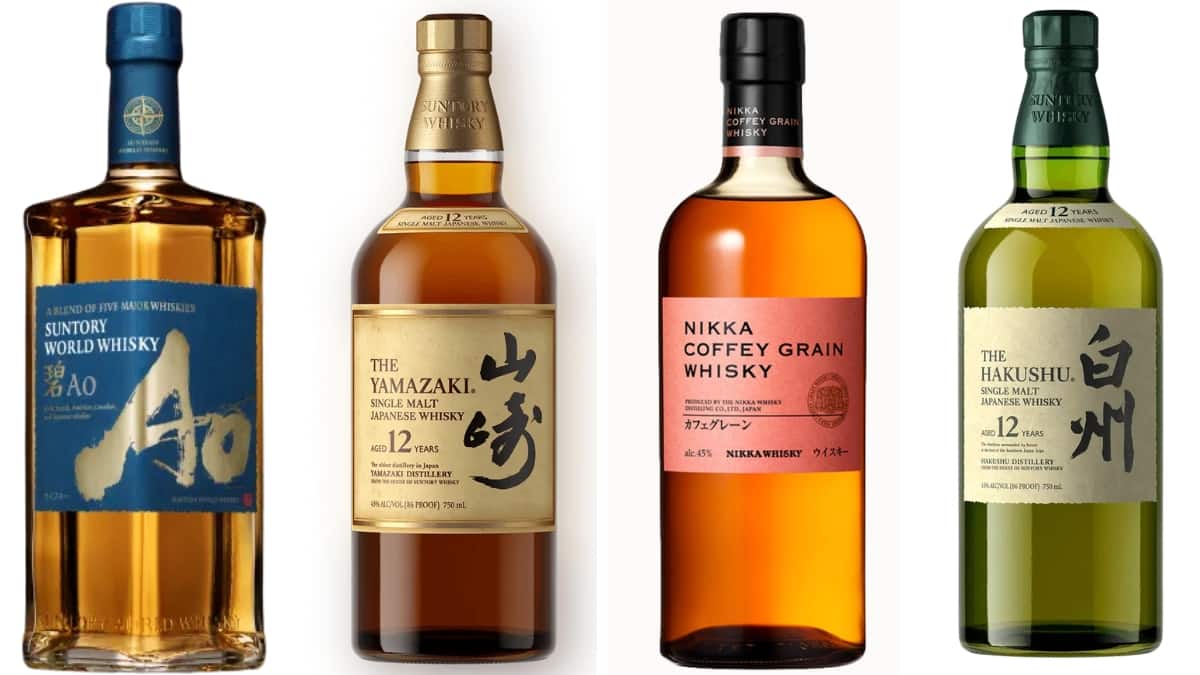
The article recommends six bottles, including Yamazaki, Hibiki, Nikka, Akashi, Ao and Hakushu.
Japanese whisky can be enjoyed with water, ice or soda, and it can also pair well with Japanese food.

Japanese whisky has grown from a domestic tradition into a globally sought-after collector category.
Japan’s whisky and sake exports rose 289 percent over the last decade, reaching ¥95 billion, according to Japan’s Ministry of Agriculture, Forestry and Fisheries.
The six featured whiskies are Yamazaki 12 Year Old, Hibiki 21 Year Old, Nikka Coffey Grain, Akashi Single Malt, Suntory World Whisky Ao and Hakushu 12 Year Old.
Japanese whisky standards introduced in 2021 require Japanese water, distillation and aging in Japan, at least three years of aging, and bottling in Japan at a minimum 40 percent ABV.
The article highlights Mizunara oak, soft mountain water, blending and serving styles such as Mizuwari and Haiboru as defining features of Japanese whisky.
- Who
- Japanese whisky producers, collectors and whisky enthusiasts; Masataka Takesturu is described as a founding figure in the industry.
- What
- The article presents six Japanese whiskies for collectors and explains the history, standards, flavor characteristics and serving styles of Japanese whisky.
- Where
- Japan, including the Yamazaki, Hakushu and Akashi distilleries; the products are also sold internationally, including in airport duty-free stores.
- When
- Japanese whisky’s international growth accelerated during the millennium; labeling standards were established in 2021, and the featured expressions include stated aging periods of 12 and 21 years.
- Why
- Japanese whisky has gained global attention because of its awards, refined blending, smooth and balanced flavor profiles, and distinctive use of Japanese Mizunara oak.
Key facts
- Export growth
- Japan’s whisky and sake exports increased by 289 percent over the last decade, reaching ¥95 billion, or about US$600 million.
- Japanese whisky standards
- The 2021 standards require Japanese water, malted grain, distillation and wood aging in Japan, at least three years of aging, bottling in Japan and a minimum 40 percent ABV.
- Featured whiskies
- Yamazaki 12 Year Old, Suntory Hibiki 21 Year Old, Nikka Coffey Grain, Akashi Single Malt, Suntory World Whisky Ao and Hakushu 12 Year Old.
- Serving style
- Mizuwari mixes whisky with water or ice in a two-to-one ratio; Haiboru is whisky mixed with soda.
- Yamazaki history
- Yamazaki Distillery dates to 1923 and is described as Japan’s oldest distillery.
- Hibiki recognition
- The article says Hibiki 21 Year Old won a gold medal at the International Spirits Challenge in 2025.
- Hakushu profile
- Hakushu 12 Year Old is described as fresh, gently smoky and herbal, with whisky distilled at Suntory’s mountain forest distillery.
Sources
Related news
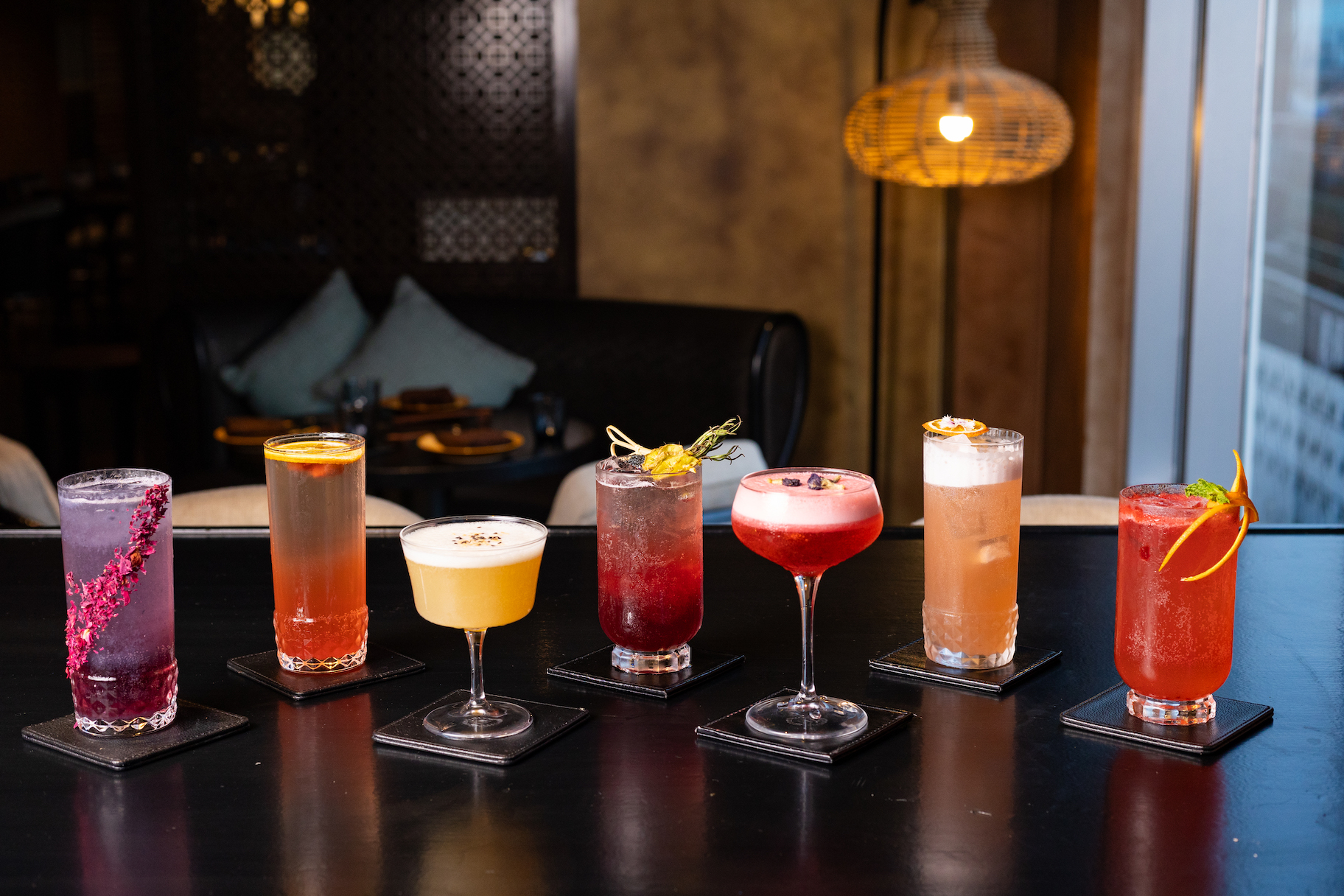
Zega Hyderabad Unveils Seven Samurai-Inspired Mizuwari Signature Cocktails
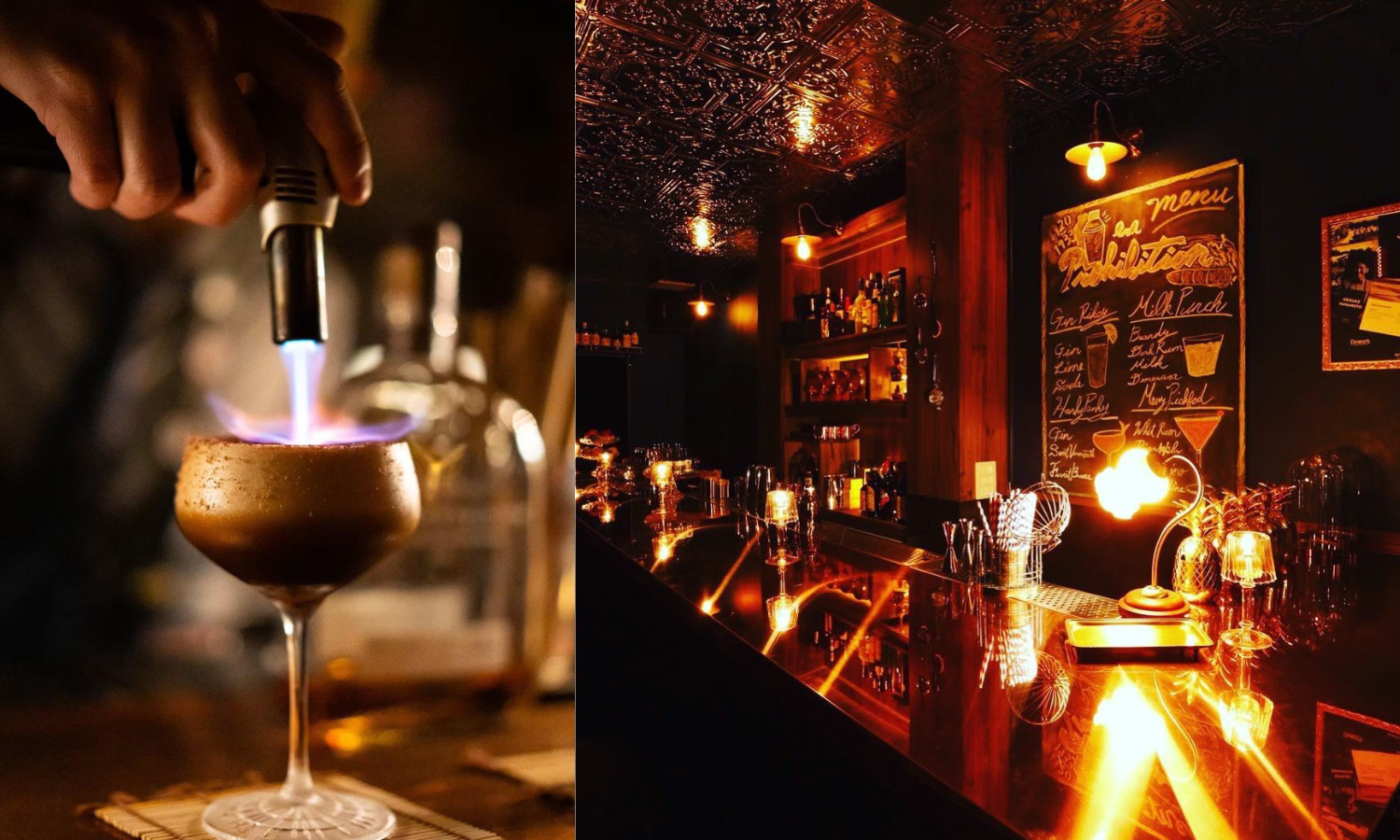
Kyoto Cocktail Bar Bee’s Knees Brings Japanese Flavors to India
Six Irish Whiskeys Worth Pouring, Collecting and Savouring

Cheers Group Surpasses 400 Awards for Indian Whisky Excellence

Isthmus 44 Targets India’s Untapped Ultra-Premium Whisky Market

Bangladesh Recall Shanto, Mahmud for Asian Games T20 Squad

Japan Cricket Boss Defends Asian Games Facilities Against Concerns

Mitsubishi Revives Pajero With 201PS Fifth-Generation SUV

Europe's Bond Selloff Deepens as Middle East Tensions Lift Oil

Uday Kotak Warns Global Bond Markets Face Roller-Coaster Volatility