

2 days ago
Former Syrian Official Sentenced to 60 Years for Torture

Samir Ousman Alsheikh used to be a Syrian official who ran Adra Prison.
A US jury found him guilty of helping torture prisoners there.
Prosecutors said the abuse was used to discourage people from opposing Bashar al-Assad’s government.
Victims described beatings and painful ways of being held.
One witness said Alsheikh personally stepped on a torture device.
A judge in Los Angeles sentenced him to 60 years in prison.
Prosecutors had asked for at least 80 years.
His lawyers had asked for five years because he is 74 and has serious health and cognitive problems.
He was also found guilty of hiding his past from US immigration authorities.

Samir Ousman Alsheikh was sentenced to 60 years in a US federal court for torture-related crimes.
A jury convicted Alsheikh in March of conspiracy to commit torture and three torture counts tied to Adra Prison.
Prosecutors said he ordered and sometimes personally participated in abuse intended to suppress opposition to Bashar al-Assad’s government.
Victims testified about beatings, suspension from ceiling pipes and a device that folded prisoners at the waist.
Alsheikh was also convicted of lying to immigration authorities, fraudulently obtaining a green card and attempting to become a US citizen.
- Who
- Samir Ousman Alsheikh, a former Syrian government and military official.
- What
- He was sentenced to 60 years after convictions for conspiracy to commit torture, three torture counts and immigration-related offenses.
- Where
- The alleged abuse occurred at Adra Prison in Syria, and the sentencing took place in Los Angeles, United States.
- When
- He was convicted in March and sentenced on Thursday; the articles do not specify the year.
- Why
- Prosecutors said Alsheikh ordered and participated in torture to deter opposition to Bashar al-Assad’s government and later concealed his conduct from US immigration authorities.
Prosecutors
Defense attorneys
Length of sentence
Prosecutors
Prosecutors requested at least 80 years, arguing that Alsheikh knowingly ordered and participated in severe torture and believed he would not be held accountable.
Defense attorneys
His attorneys requested five years, arguing that the sentence should be based on justice in this case rather than its broader historical or symbolic significance.
Role in the abuse
Prosecutors
Prosecutors said Alsheikh ordered subordinates to inflict physical and mental pain and was sometimes personally involved in the incidents.
Defense attorneys
The defense had previously pleaded not guilty and was disappointed by his conviction.
Mitigating circumstances and deportation
Prosecutors
Prosecutors emphasized victims’ accounts and Alsheikh’s alleged effort to suppress opposition to Assad’s government.
Defense attorneys
His attorneys cited his age, significant medical and cognitive conditions, and willingness to be deported to Syria, where authorities have sought accountability for former Assad-government members.
Key facts
- Defendant
- Samir Ousman Alsheikh
- Sentence
- 60 years in prison
- Prison
- Adra Prison, also known as Damascus Central Prison
- Prison leadership
- Alsheikh headed the prison from roughly 2005 to 2008
- Convictions
- One count of conspiracy to commit torture and three counts of torture
- Prosecution request
- A minimum sentence of 80 years
- Defense request
- A five-year sentence, citing Alsheikh’s age and significant medical and cognitive conditions
- Immigration offenses
- Lying to US immigration authorities, fraudulently obtaining a green card and attempting to naturalize as a US citizen
Quotes
US Department of Justice prosecutors
Federal prosecutors who requested a minimum 80-year sentence
“Defendant knew that what he was doing was wrong. Nonetheless he ordered and participated in the torture of his victims because he had the power to do so and because he thought he would never be held accountable.”
 thehansindia.com
Nidal Shikhani
A victim who provided a statement for the sentencing proceedings
“still hear the screams of others begging for mercy, repeating, Leave me, leave me.”
thehansindia.com
Nina Marino and Collin Cate
Defense attorneys representing Samir Ousman Alsheikh
“Whatever moral weight this case carries in the broader arc of history — however much the world, or the victims, or the public might wish the sentence to send a message' — that desire cannot be the foundation of a just sentence”
thehansindia.com
Sources

Related news
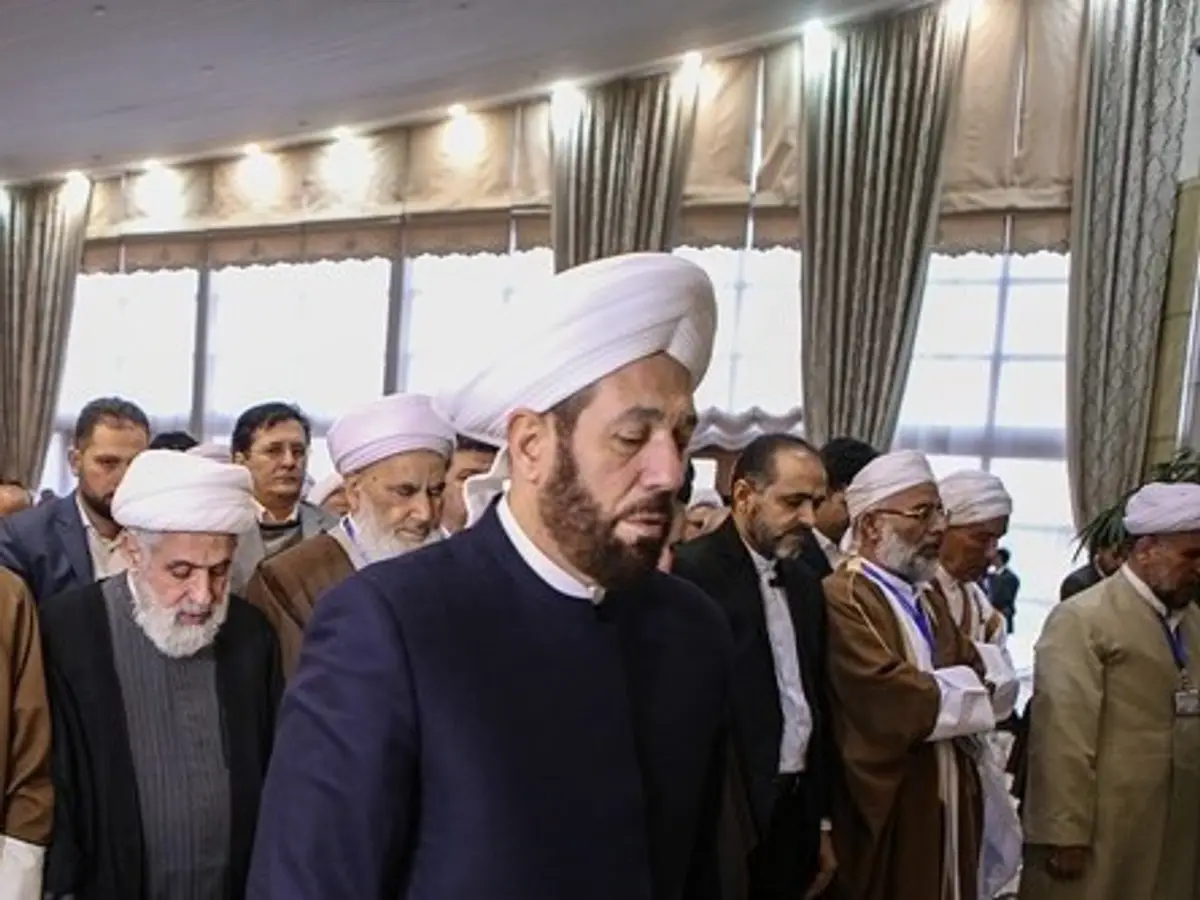
Syria’s Barrel Bomb Mufti Sentenced to Life in Prison

Judge Bars Khalid Sheikh Mohammed’s FBI Confessions Over Torture Concerns
Tunisia’s Cassation Court Upholds Long Sentences for Opposition Members

Imran Khan’s Sister Alleges Torture During Solitary Confinement

Egyptian Presenter Sarah Khalifa Sentenced to Death in Drug Case
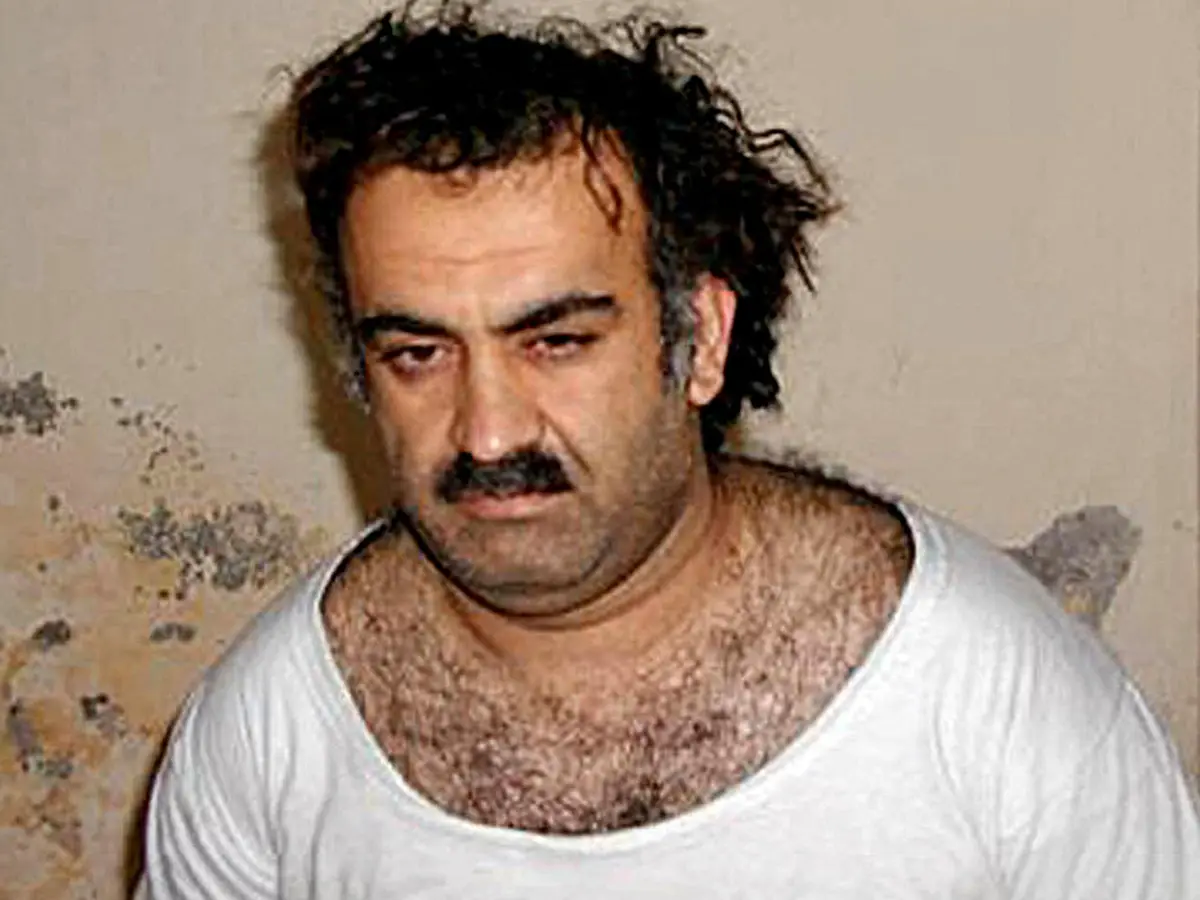
Khalid Sheikh Mohammed Set for Long-Delayed 2028 9/11 Trial

AfD Gains Deepen Immigrants’ Fears in Eastern Germany
Harvard Kennedy School Launches Israel Program and New Course
Syrian Kurds Seek Full Kurdish Schooling as Damascus Reasserts Authority

International IDEA Reports 11-Year Global Democratic Decline