4 hrs ago
Tunisia’s Cassation Court Upholds Long Sentences for Opposition Members

Tunisia’s highest appeals court upheld long prison sentences for people who opposed President Kais Saied.
The people were accused of planning to destabilize the country and remove the president.
Forty people were charged in the case.
Twenty of them had left Tunisia and were judged without being present.
Some opposition leaders received sentences of 20 years or more.
The court’s decision is final and cannot be appealed.
Opposition lawyers and rights groups say the trial was politically controlled.
The president and his government say the judiciary is independent and that the defendants threatened the country.

Tunisia’s Cassation Court upheld prison sentences of up to 45 years for opposition figures, lawyers and businessmen.
The 40 defendants were charged with conspiring to destabilize the country and overthrow President Kais Saied.
Twenty defendants who fled abroad were sentenced in absentia, according to the report.
The ruling is the final stage of the three-year proceedings and cannot be appealed.
Opposition figures and rights groups said the case showed that Tunisia’s judiciary is not independent, while Saied’s government rejected that view.
- Who
- Forty opposition figures, lawyers and businessmen, including Nejib Chebbi, Ghazi Chaouachi, Issam Chebbi, Jawhar Ben Mbarek, Ridha Belhaj and Noureddine Bhiri, were charged; President Kais Saied’s government supported the prosecutions.
- What
- Tunisia’s Cassation Court upheld prison sentences of up to 45 years on conspiracy charges.
- Where
- Tunis, Tunisia.
- When
- Thursday, September 3; the proceedings had lasted three years.
- Why
- The government said the defendants sought to destabilize Tunisia and overthrow Saied, while the opposition said the case was politically driven and demonstrated a lack of judicial independence.
Opposition and Rights Groups
President Saied’s Government
Judicial independence
Opposition and Rights Groups
Opposition lawyers and rights groups said the ruling confirmed that Tunisia’s judiciary is not independent and is controlled by the president.
President Saied’s Government
President Kais Saied has said the judiciary remains independent and that he would not become a dictator.
Nature of the prosecution
Opposition and Rights Groups
The opposition said defendants entered prison because of a political decision and that the case reinforced Saied’s authoritarian rule.
President Saied’s Government
The justice minister said the defendants attempted to destabilize Tunisia and overthrow Saied; Saied previously called the accused traitors and terrorists.
Judicial changes since 2021
Opposition and Rights Groups
Rights groups said Saied’s suspension of parliament, rule by decree, dissolution of the independent Supreme Judicial Council and dismissal of judges placed the judiciary under his control.
President Saied’s Government
The government’s stated position is that the prosecutions address a threat to the country, while Saied maintains that the judiciary is independent.
Key facts
- Defendants charged
- 40 people
- Defendants sentenced in absentia
- 20 people who had fled abroad
- Maximum sentence
- 45 years in prison
- Prominent sentence
- Nejib Chebbi was sentenced to 12 years
- Other prominent sentences
- Ghazi Chaouachi, Issam Chebbi, Jawhar Ben Mbarek and Ridha Belhaj each received 20 years; Noureddine Bhiri received 10 years
- Appeal status
- The Cassation Court ruling is final and cannot be appealed
- Government position
- Officials said the defendants tried to destabilize the country and overthrow President Kais Saied
Quotes
Haifa Chebbi
Lawyer and daughter of opposition leader Nejib Chebbi
“Opponents entered prison by political decision and will leave when Saied falls”
 theprint.in
“The ruling confirms that the judiciary is not independent”
theprint.in
Sources
Related news
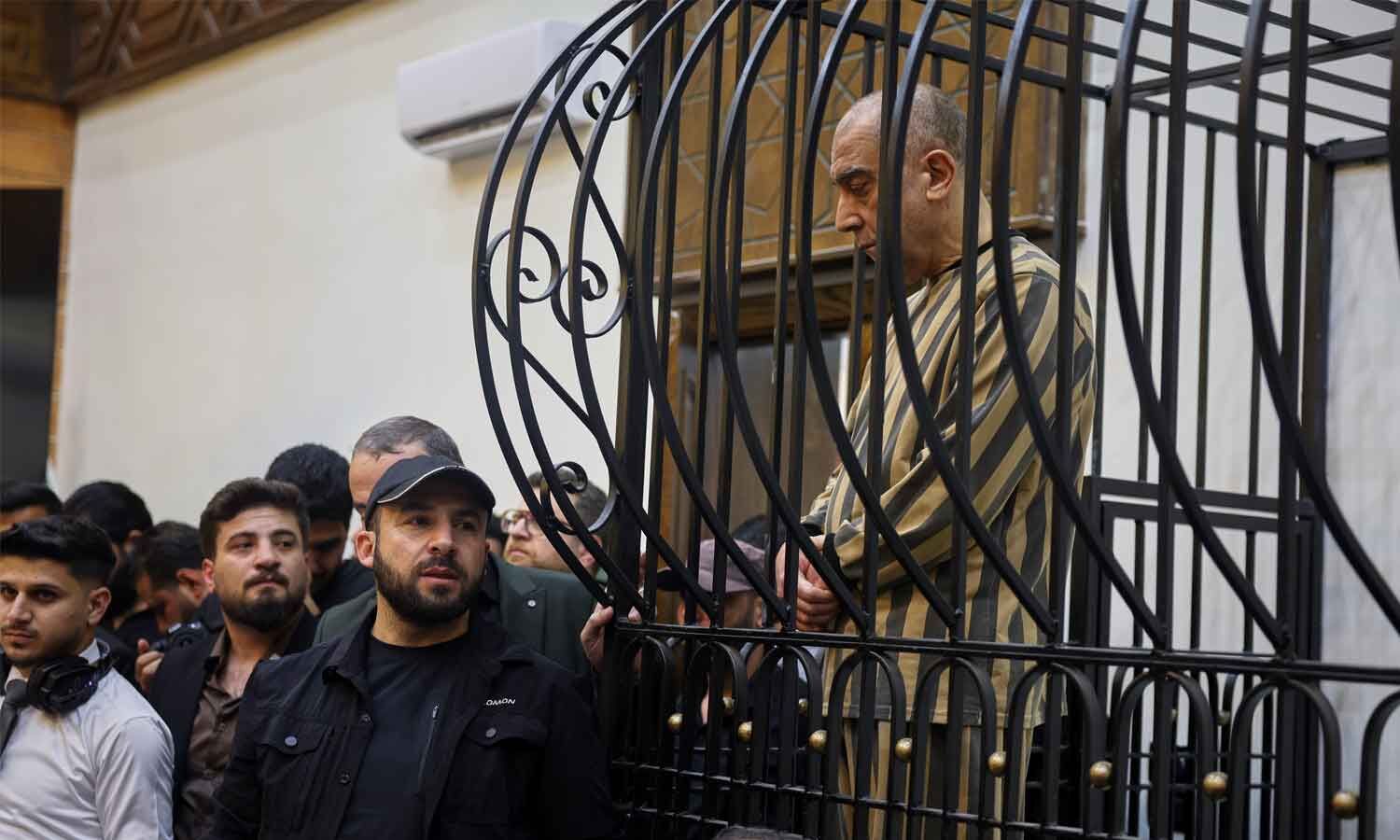
Syrian court sentences ousted Bashar al-Assad to death in absentia

Bashar Assad, Brother Maher Sentenced to Death in Absentia
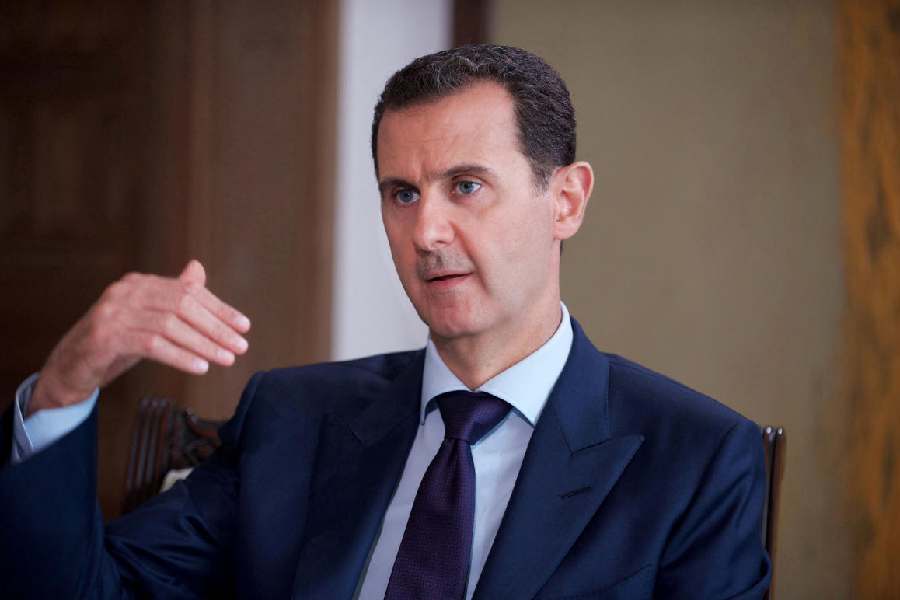
Syrian court sentences exiled Bashar al-Assad to death
Udhayanidhi slams TVK government over 'fascist' crackdown on arrests
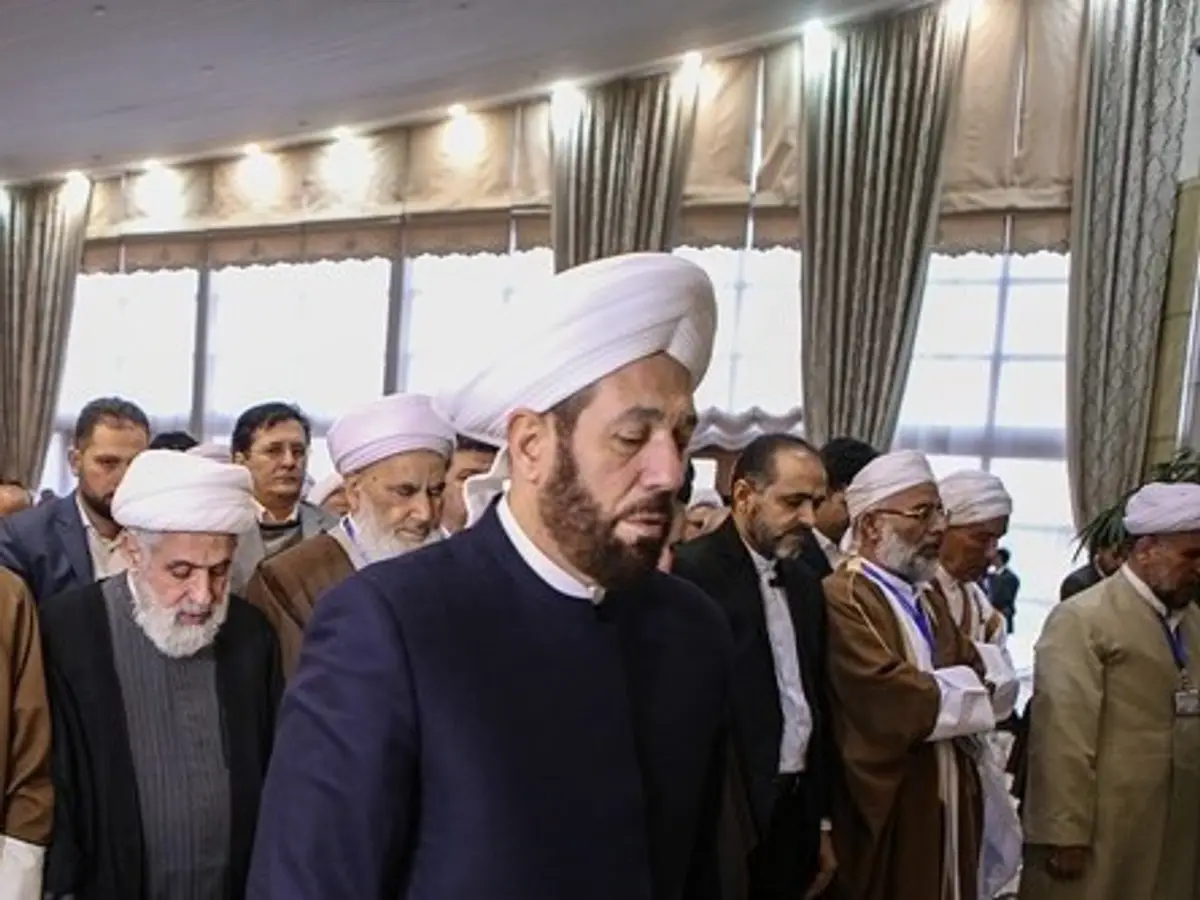
Syria’s Barrel Bomb Mufti Sentenced to Life in Prison