1 hr ago
India’s Strong Growth Needs A Shared Prosperity Check

India’s economy grew quickly in the latest quarter.
Services such as finance, real estate and information technology led much of this growth.
Businesses and the government also invested more, and people spent somewhat more.
However, the article says strong growth numbers do not show whether most people are benefiting.
Many young people cannot find good jobs, while informal work often means low pay and weak protections.
Middle-class workers are also facing stagnant real wages.
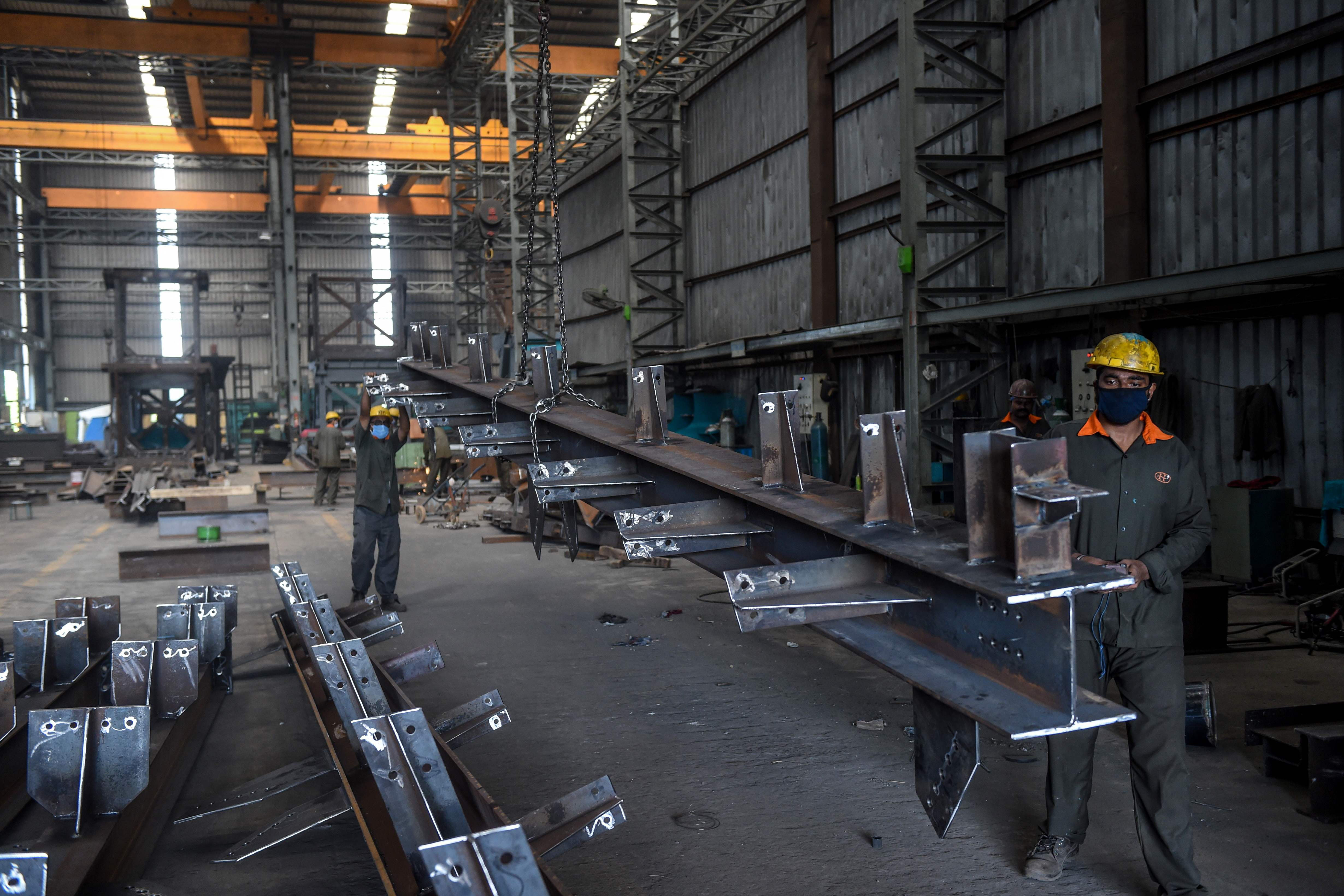
The article says India’s manufacturing sector needs to become stronger because it can create more jobs.
It argues that economic policies should focus on shared prosperity, not only on higher GDP.
This would help India become developed in a way that improves everyday life for more people.

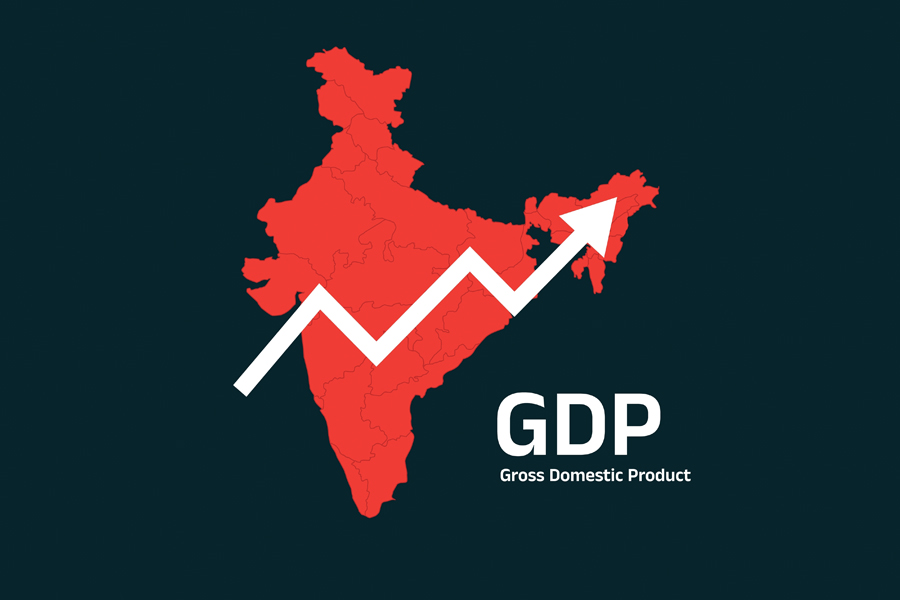
India’s real GDP grew 7.8% in Q1 of 2026-27, up from 6.9% a year earlier.
The tertiary sector grew 10%, led by financial, real estate, IT and professional services.
Gross fixed capital formation rose 11.9%, while private consumption increased 7.1%.
The article argues that weak job creation, rising informality, stagnant real wages and household debt undermine the headline growth story.
It calls for manufacturing, export-led industrialisation and prosperity-focused policies to make growth more broadly shared.
- Who
- India, its workers, households, businesses and policymakers are discussed; the article is written by an economist and a researcher affiliated with O.P. Jindal Global University and the Centre for New Economics Studies.
- What
- The article assesses India’s reported economic growth and argues that headline GDP figures should be judged alongside employment, income distribution, manufacturing performance and household vulnerability.
- Where
- India.
- When
- The figures concern Q1 of financial year 2026-27, compared with Q1 of financial year 2025-26; the article also cites 2025 income data and the 2047 development goal.
- Why
- The authors argue that India’s goal of becoming Viksit by 2047 requires shared prosperity, stronger manufacturing and better-quality employment, rather than growth alone.
Headline Growth View
Prosperity-Centered View
Meaning of the latest data
Headline Growth View
The quarterly figures indicate strong economic momentum, with GDP, services, investment and private consumption all recording growth.
Prosperity-Centered View
The figures do not by themselves show who benefits from growth or whether living standards and economic security are improving broadly.
Role of services
Headline Growth View
Financial, real estate, IT and professional services are driving the economy and represent a significant source of current growth.
Prosperity-Centered View
A service-led expansion dominated by upper-middle-income urban workers may not create enough jobs for rural-to-urban migrants and other workers.
Policy priority
Headline Growth View
Higher growth and government capital spending on infrastructure, roads and logistical connectivity can support India’s development ambitions.
Prosperity-Centered View
India should place greater emphasis on manufacturing, labour-intensive employment, income distribution and affordable essentials so that development produces shared prosperity.
Key facts
- Real GDP growth
- 7.8% in Q1 of 2026-27, compared with 6.9% in Q1 of 2025-26.
- Tertiary-sector growth
- 10%, led by financial, real estate, IT and professional services.
- Gross fixed capital formation
- 11.9% growth in Q1 of 2026-27, compared with 5.8% a year earlier.
- Private consumption
- Private final consumption expenditure grew 7.1% during the quarter.
- India’s 2025 per-capita GNI
- Approximately $2,760, according to the article.
- Developed-country GNI benchmark
- Around $14,375 per capita under the World Bank categorisation cited.
- Main economic concern
- The article highlights youth unemployment, rising informality, weak lower-middle-income consumption, stagnant real wages and a widening merchandise trade deficit.
Quotes
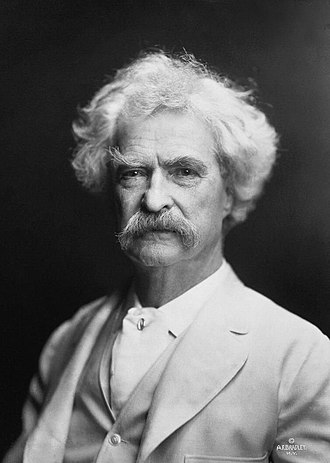
Mark Twain
American author and essayist quoted from his autobiography
“Figures often beguile me, particularly when I have the arranging of them myself; in which case the remark attributed to Disraeli would often apply with justice and force: ‘There are three kinds of lies: lies, damned lies and statistics.’”
 indianexpress.com
Sources
Related news
India’s Strong Growth Raises Urgent Questions About Jobs

India’s 7.8% GDP Growth Raises Jobs And Income Concerns

Modi Hails 7.8% GDP Growth as Congress Challenges Numbers
India’s 7.8% GDP Growth Sparks Congress Economic Dispute
India's 7.8% GDP Growth Sparks Questions Over Economic Reality

India’s Q1 GDP Growth Hits 7.8% as Modi Hails Feat

Rajiv Dogra Warns China’s Ambitions Challenge India and America

Hon Hai Sales Surge 52% as AI Server Demand Accelerates

Iran War Redraws Global Energy Markets, Boosting Renewables

US Military Joins Humanitarian Relief After Nepal Flash Floods