6 hrs ago
Karnataka SIR Hearings Expose Routine Voter Record Discrepancies
Karnataka is checking its voter records through a process called the Special Intensive Revision, or SIR.
About 43.80 lakh voters received notices asking them to explain differences in their records.
Some differences are easy to explain, such as a woman using her maiden name in an old list and her married name now.
Other differences involve ages, family relationships or names that cannot be matched to older records.
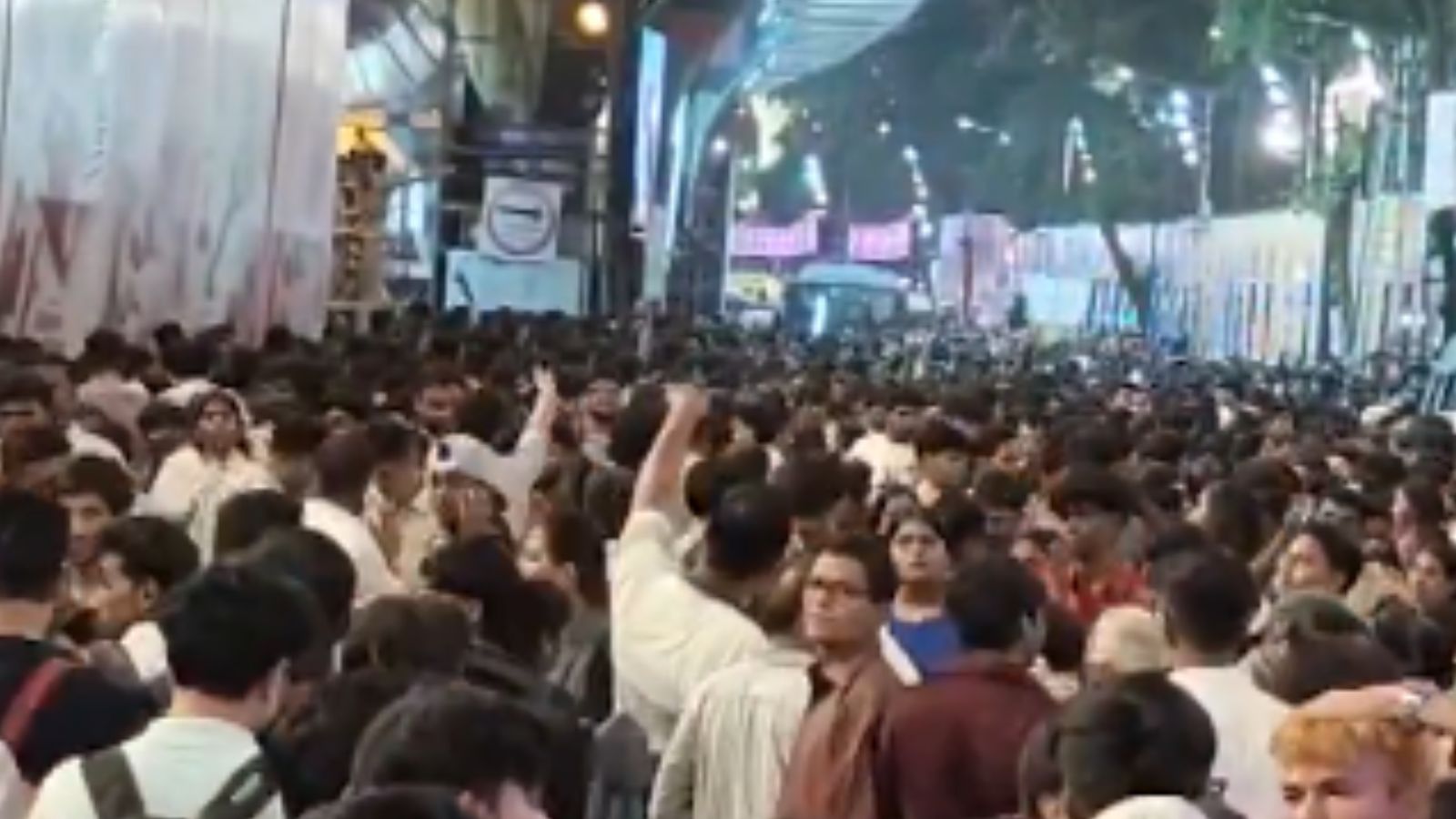
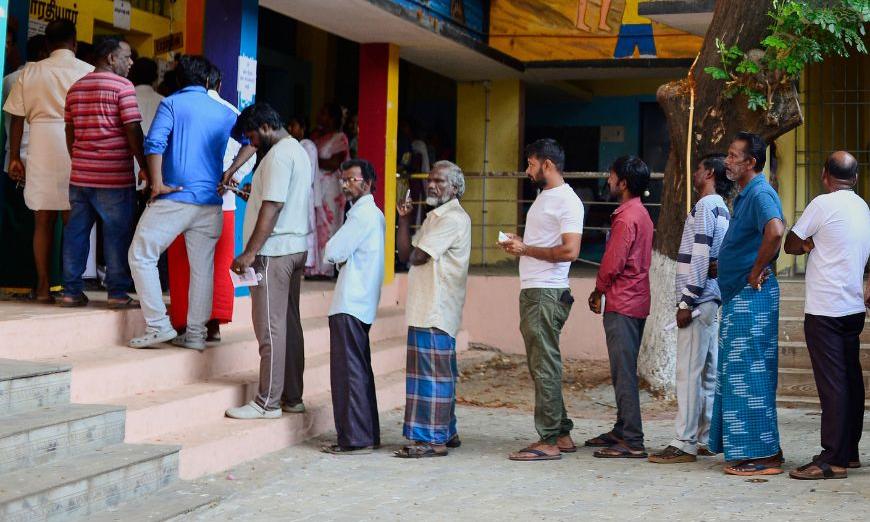
Voters may wait for one or two hours even though an official can solve the problem in a few minutes.
Some voters and officials believe these simple issues could have been handled when forms were collected from homes.
More difficult cases will still need special hearings and document checks.
Officials are also visiting elderly or bedridden voters who cannot travel.
Voters hope the checks will make the rolls accurate without requiring another large exercise in the future.

About 43.80 lakh Karnataka voters have received notices during the Special Intensive Revision exercise.
Many notices involve explainable issues such as maiden names, married surnames, expanded initials and family-age differences.
Voters often wait one to two hours even when officials resolve their cases within minutes.
Voters and an election official say more routine discrepancies could have been recorded during door-to-door enumeration.
Officials are also handling cases involving unmapped records, missing documents, elderly voters and failed document uploads.
- Who
- Karnataka voters, election officials, Booth-Level Officers, Assistant Electoral Registration Officers and KPCC spokesperson MG Hegde are involved.
- What
- The Special Intensive Revision is examining discrepancies in electoral records and requiring many voters to attend hearings.
- Where
- Hearing centres in Karnataka, including centres in Mangaluru and Udupi, as well as voters' homes in some cases.
- When
- During the ongoing SIR hearings and verification process in Karnataka.
- Why
- To verify voter identities and relationships, correct electoral records and maintain an accurate voter list.
Voter and Process Critics
Election Officials and Verification Process
When discrepancies should be resolved
Voter and Process Critics
Voters and MG Hegde argue that routine issues such as name changes, initials and family-age differences could have been recorded and explained during door-to-door enumeration.
Election Officials and Verification Process
Officials acknowledge that some discrepancies could have been identified earlier, but hearings remain necessary for cases involving unmapped records, major changes or insufficient documentation.
Value of hearings
Voter and Process Critics
Voters say it is frustrating to repeat information already available to election authorities and wait a long time for simple cases to be closed.
Election Officials and Verification Process
Officials must examine documents, photograph and upload them, and investigate cases that automated systems cannot explain on their own.
Special arrangements
Voter and Process Critics
Voters support home visits for elderly or bedridden people but question whether separate arrangements should be provided merely for VIPs.
Election Officials and Verification Process
Officials are reported to be visiting people who cannot travel, while the articles do not specify the official basis for VIP arrangements.
Key facts
- Exercise
- Special Intensive Revision of electoral records
- State
- Karnataka
- Notices issued
- Around 43.80 lakh voters
- Common discrepancies
- Maiden or married names, expanded initials, age differences and records unmapped to the previous SIR roll
- Typical waiting time
- One to two hours at some hearing centres
- Example verification
- MG Hegde's name discrepancy was resolved in about two minutes after his SSLC marks card was uploaded
- Additional assistance
- Officials visit elderly and bedridden voters who cannot travel to hearing centres
Quotes
An employee at a private company
Private-sector employee attending a SIR hearing.
“I can understand officials visiting elderly or bedridden people. But why should there be a separate VIP arrangement? For voting, everybody comes to the same polling booth. Then who is a VIP for SIR process?”
 deccanchronicle.com
“Had the BLOs been asked to take details such as self-name mismatch while filling the enumeration form itself, it would have been easier.”
deccanchronicle.com
MG Hegde
KPCC spokesperson and activist who received a SIR notice over a name discrepancy.
“In the 2002 electoral roll, my name was MG Hegde. It was later recorded as Mahabaleshwara G Hegde. I went to the hearing centre and waited for about one-and-a-half hours. The officer took my SSLC marks card, uploaded it and the process was completed in about two minutes.”
deccanchronicle.com
Sources
Related news
Hyderabad Voters Frustrated by SIR Hearings and Electoral Record Discrepancies

Karnataka SIR Leaves 18.84 Lakh Notices Undelivered Before Hearings End

Karnataka Electoral Roll Revision Generates 43.81 Lakh Notices

Karnataka CM Seeks Longer Claims Window After 1.08 Crore Flagged
Delhi SIR Flags Advani, Sisodia Among 33 Lakh Voters

Nana’s Brings Malnad Family Recipes To Bengaluru Dining
Rohit Pawar Seeks Marathwada Drought Declaration, Farmer Aid
Karnataka May Declare Over 200 Taluks Drought-Hit, Deputy CM Says

Karnataka Plans Global Quantum Platform at 2027 Bengaluru Summit