

1 hr ago
Why Yoga Becomes More Important for Healthy Ageing
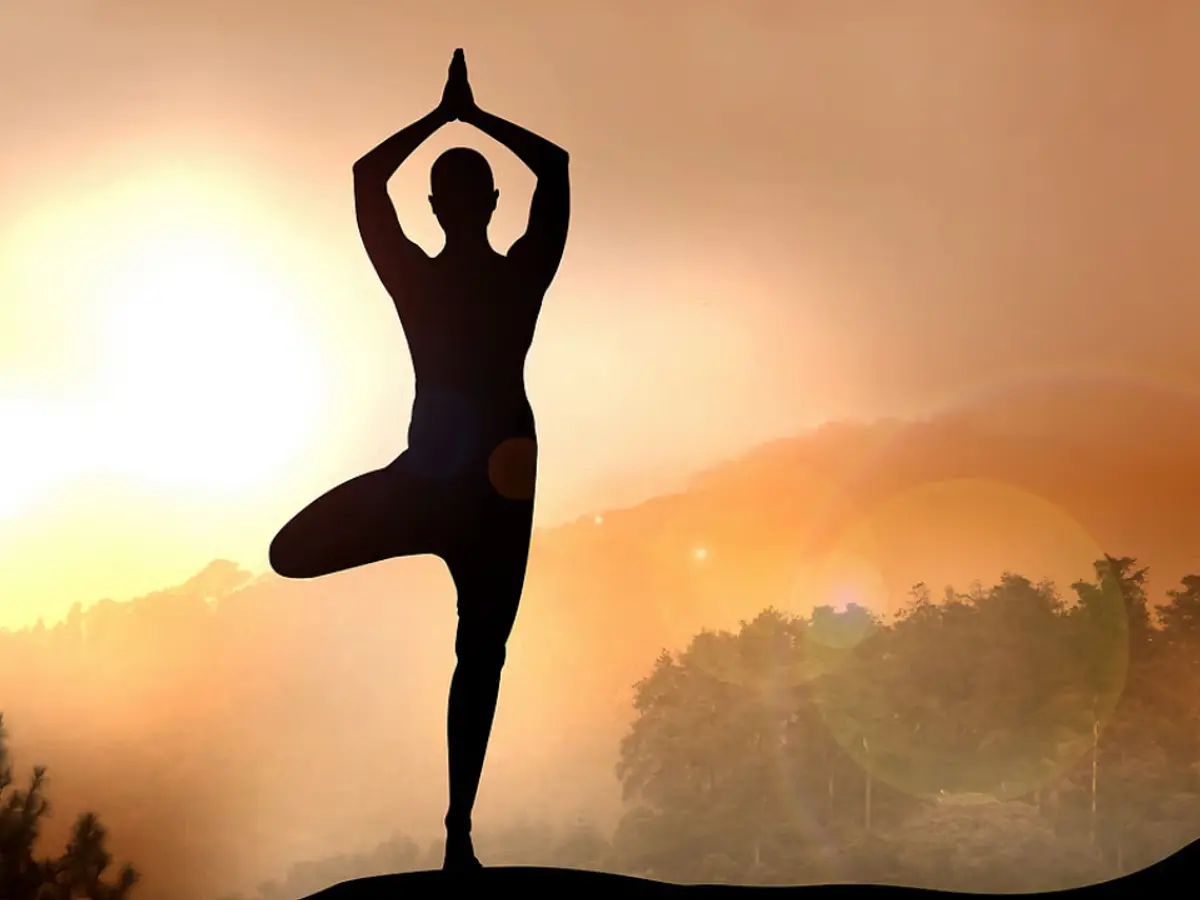
Getting older can make muscles weaker and movement harder.
Yoga may help older people stay stronger and more independent.
Studies found that it can improve walking and standing up from a chair.
Even yoga done in a chair may help build useful strength.
Yoga may also support parts of the brain involved in memory.
Breathing and mindful movement can help the body manage stress.
Research also links regular yoga with lower blood pressure and less inflammation.
These findings are why doctors may recommend yoga as part of healthy ageing.

A review of 33 randomized controlled trials found yoga improved walking speed and chair-rise ability among nearly 2,400 adults aged 65 and older.
The evidence suggested that even chair-based yoga can support functional strength and independent living.
Imaging research linked experienced yoga practice with greater grey matter volume in the hippocampus, a region involved in memory.
Combining yoga with memory training was associated with added benefits for brain plasticity and executive function.
More than three yoga sessions weekly was associated with lower blood pressure, reduced inflammation markers and changes in longevity-related biomarkers.
- Who
- Older adults, researchers and healthcare professionals are the main groups discussed.
- What
- The article explains evidence that regular yoga may support strength, memory, cardiovascular health and cellular health during ageing.
- Where
- The findings come from clinical trials, reviews and imaging research, including a Harvard-led study published in the Annals of Internal Medicine.
- When
- The article does not specify publication dates; it discusses effects associated with regular practice over time.
- Why
- Yoga may help address age-related frailty, cognitive decline, high blood pressure and inflammation.
Key facts
- Evidence base
- A review covered 33 randomized controlled trials and nearly 2,400 participants aged 65 and older.
- Physical function
- Yoga improved walking speed and the ability to rise from a chair without assistance.
- Accessible practice
- Chair-based yoga was reported to improve functional strength needed for independent living.
- Brain health
- Experienced practitioners showed increased grey matter volume in the hippocampus.
- Blood pressure
- More than three sessions per week was associated with an average reduction of 11 mmHg in systolic pressure and 6 mmHg in diastolic pressure.
- Inflammation and longevity
- Yoga-based lifestyle interventions lowered C-reactive protein and affected biomarkers linked to longevity.
Sources
Related news

Ageing Well: Practical Ways to Stay Healthy Longer
10 Minutes of Morning Yoga Boosts Health and Focus

Bhagyashree shares fitness tests revealing 'real age', says 90% fail
Walking and Yoga Offer Complementary Paths to Daily Fitness
Daily Yoga May Improve Flexibility, Posture, Stress, and Digestion
Exercise May Help Ageing Brain Clear Waste, Review Suggests

Antidepressant Fluvoxamine Shows Promise Against Long Covid Fatigue

Statins Reduce Mortality and Heart Risks in Type 2 Diabetes

Weight-Loss Drugs Like Wegovy Don't Lower Cancer Risks: Study

One Long Walk Daily May Be More Beneficial Than Shorter Bursts for Heart Health
