2 days ago
Why Saudi Allies Have Not Joined Fighting Against Houthis
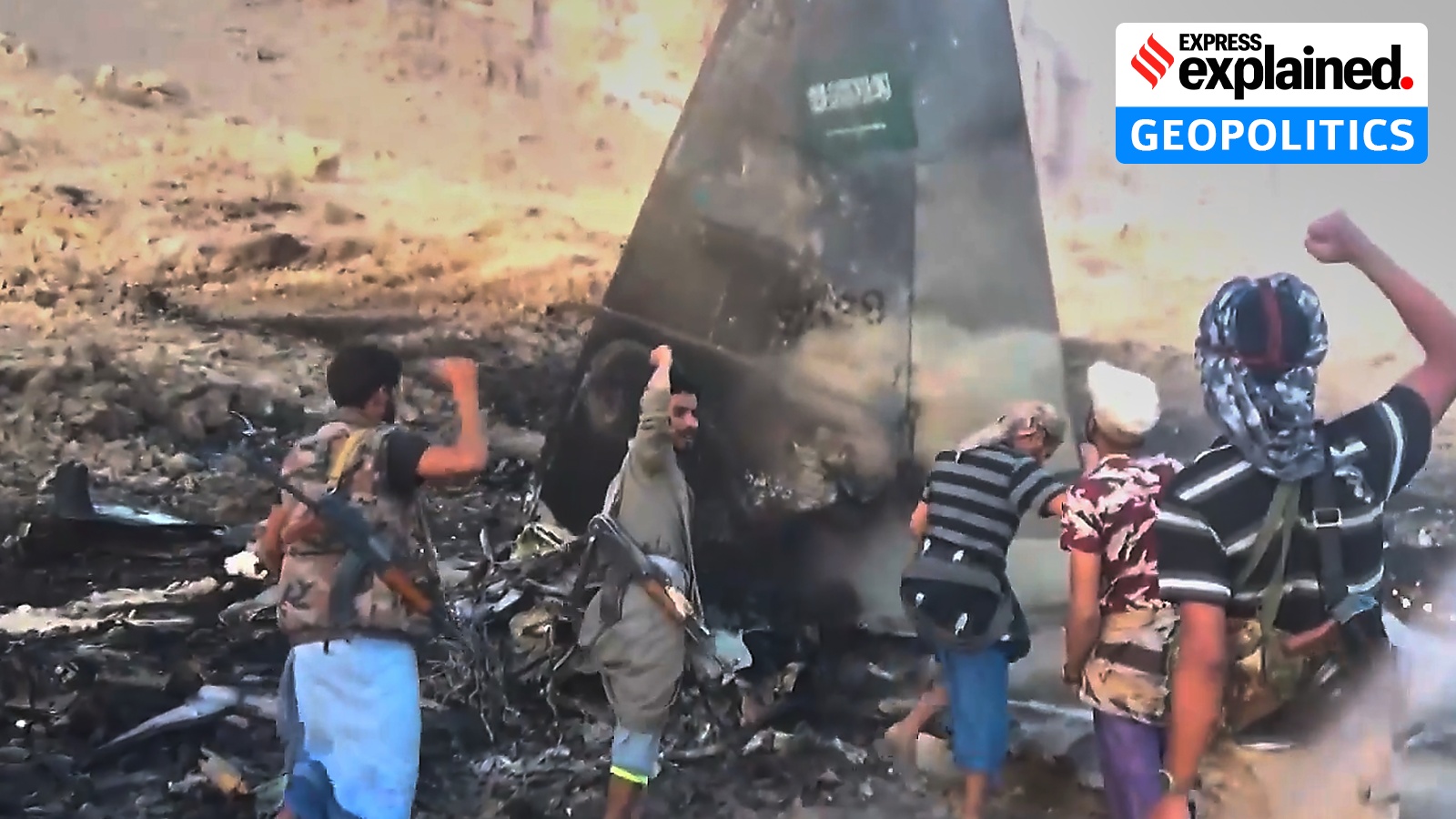
The Houthis are a powerful armed group fighting Yemen’s government.
They have captured important land and attacked Saudi Arabia with missiles and drones.
Saudi Arabia supports Yemen’s official government and has responded with airstrikes.
Saudi Arabia has defense agreements with Pakistan, Türkiye, and the United States.
However, Pakistan and Türkiye say Saudi Arabia has not asked them to send soldiers.
Türkiye also needs parliamentary approval for its agreement.
The United States reportedly does not want to start another war in the region.
It is also worried that fighting the Houthis could bring Iran and its allied groups into a larger conflict.
Saudi Arabia is cautious because it fought the Houthis before and faced high costs without defeating them.

The Iran-aligned Houthis captured Mocha and expanded control along Yemen’s Red Sea coast in September.
Houthi missiles and drones have targeted Saudi territory and energy infrastructure, prompting Saudi airstrikes and warnings.
Saudi Arabia has defense agreements with Pakistan, Türkiye, and the United States, but none has joined the combat.
Pakistan and Türkiye say Riyadh has not requested combat forces, while Türkiye’s Parliament has yet to approve its treaty.
The United States has reportedly declined direct intervention, citing existing arrangements, limited munitions, escalation risks, and political concerns.
- Who
- Saudi Arabia, the Iran-aligned Houthi movement, Yemen’s official government, Pakistan, Türkiye, and the United States.
- What
- The Houthis have expanded their control in Yemen and attacked Saudi territory, while Saudi partners have not joined the fighting.
- Where
- Yemen’s western coast and the Red Sea, with attacks also reaching Saudi territory.
- When
- The escalation sharply increased over the two weeks preceding September 17; the Houthis captured Mocha on September 10.
- Why
- Saudi Arabia’s partners cite unclear treaty obligations, a lack of a combat request, parliamentary approval requirements, diplomatic priorities, and concerns about a wider regional war.
Arguments for military intervention
Arguments for restraint and diplomacy
Defending Saudi Arabia
Arguments for military intervention
Saudi Arabia’s defense agreements could be interpreted as requiring partners to protect its territorial integrity when it faces Houthi attacks.
Arguments for restraint and diplomacy
The treaties do not publicly define an escalation ladder or specify what military response is required, and Saudi Arabia reportedly has not requested combat forces from Pakistan or Türkiye.
Responding to Houthi expansion
Arguments for military intervention
The Houthis’ control of Yemen’s Red Sea coast and attacks on Saudi energy infrastructure create a security and shipping threat that may require stronger action.
Arguments for restraint and diplomacy
A direct confrontation could be prolonged and costly, as Saudi Arabia’s previous intervention did not defeat the Houthis and produced significant humanitarian and political costs.
United States involvement
Arguments for military intervention
U.S. intervention could help protect Red Sea navigation and support Saudi Arabia against an Iran-backed militia.
Arguments for restraint and diplomacy
The United States reportedly wants to avoid opening another Middle Eastern front, conserve munitions, preserve its 2025 understanding with the Houthis, and reduce the risk of a broader confrontation involving Iran.
Key facts
- Houthi territorial gains
- The Houthis captured the Red Sea port of Mocha on September 10 and effectively controlled much of Yemen’s Red Sea coast by September 17.
- Saudi response
- Saudi Arabia has carried out airstrikes and warned of stronger action after Houthi attacks on its territory and energy infrastructure.
- Pakistan-Saudi agreement
- The two countries signed a Strategic Mutual Defense Agreement on September 17, 2025.
- Makkah agreement
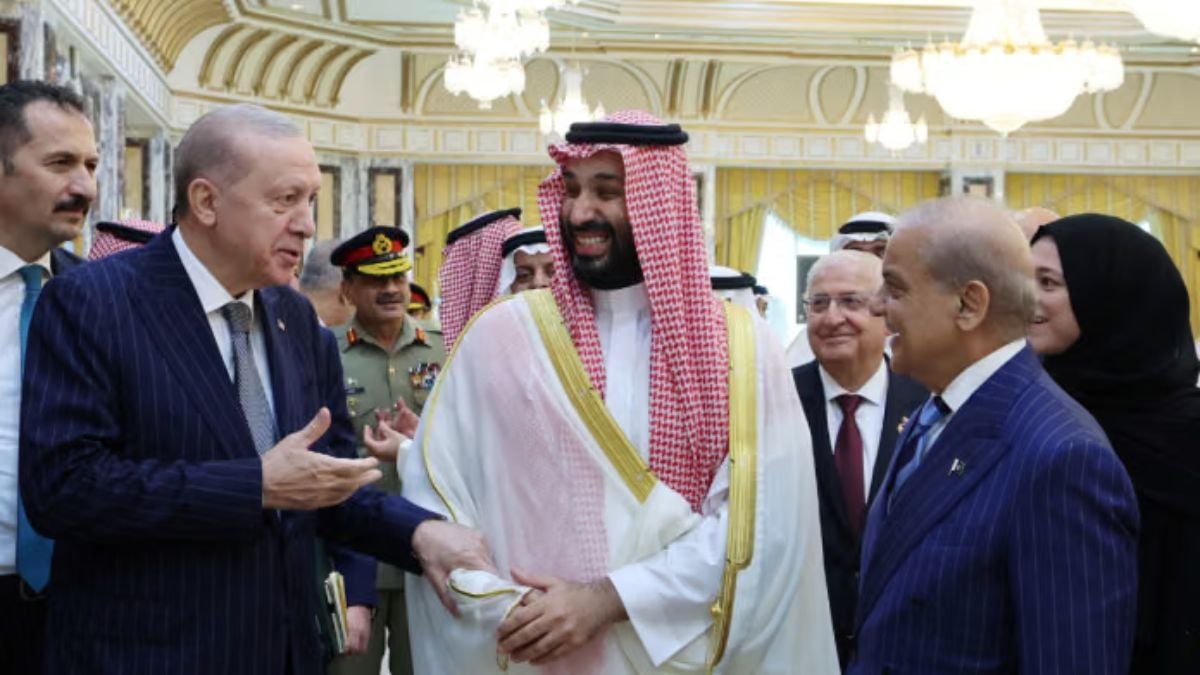
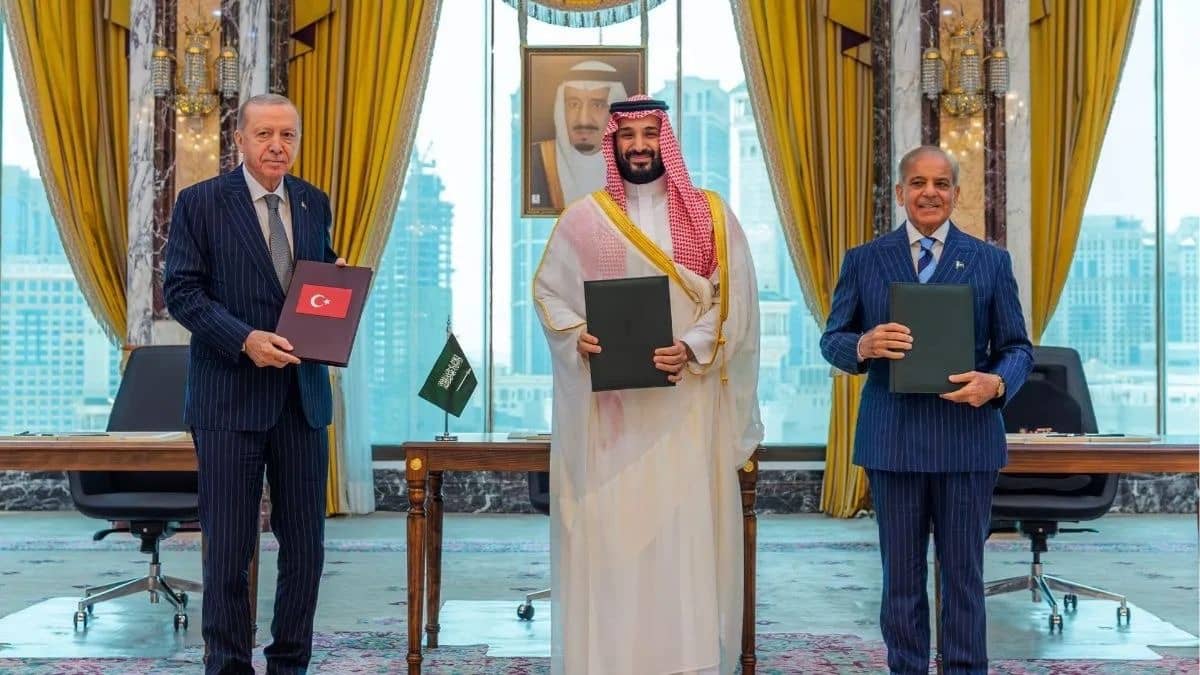
- Saudi Arabia, Pakistan, and Türkiye signed the Makkah Joint Defence Agreement on August 7, 2026; it treats an attack on one member as an attack on all three.
- United States agreement
- The United States and Saudi Arabia signed a Strategic Defense Agreement on November 18, 2025.
- Earlier Saudi intervention
- Saudi Arabia intervened militarily in Yemen in 2015, but the Houthis survived years of pressure and the conflict caused major humanitarian and political costs.
- 2022 truce
- A United Nations-mediated truce significantly reduced fighting in 2022 but did not become a permanent settlement.
Quotes

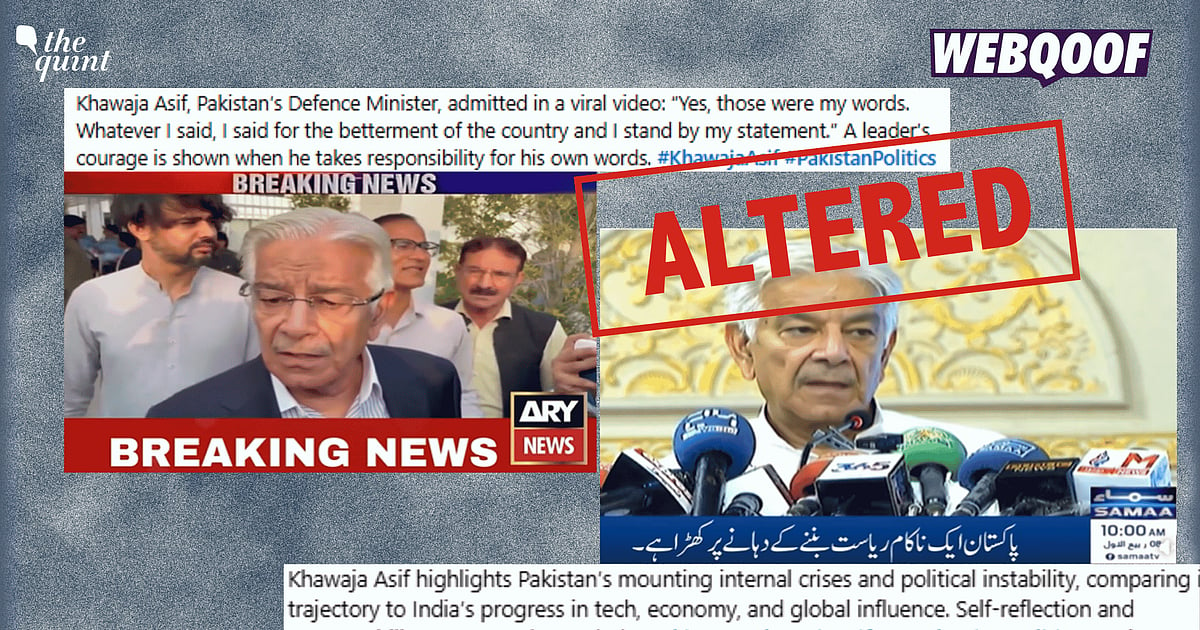
Khawaja Muhammad Asif
Pakistan’s defence minister
“Under the trilateral agreement, if the territorial integrity of a country comes under threat, the agreement will be activated and the other two countries will proceed to protect it in fulfilment of their obligations.”
 indianexpress.com
Sources
Related news

Pakistan rejects Saudi war role as Houthi Red Sea gains

Pakistan Rules Out Immediate Military Action After Houthi Attacks
Houthi Drone Near Mecca Tests Saudi-Pakistan Defense Pact

Mecca Alert Exposes Strains in Saudi-Pakistan Defence Pact
Saudi Allies Face Questions Over Mecca Defence Pact

Pakistan Defers Military Action After Houthi Attacks on Saudi Arabia
Mecca Pact Faces First Test as Allies Offer Words
Pakistan Reaffirms Mecca Pact Duties After Saudi Drone Interception