1 week ago
Iran Warns of Escalation as US Economic Sanctions Intensify
Iran and the United States are in a serious disagreement over sanctions and military pressure.
Iran says the situation could become worse within 48 hours.
Iranian officials warned that countries helping the United States may face consequences.
The United States says it has begun a major economic campaign against Iran.
A major part of the dispute involves the Strait of Hormuz, an important route for oil and gas ships.
Iran says it wants the US blockade lifted and American forces withdrawn before reopening the waterway.
Oil shipments through the strait have dropped sharply during the conflict.
Pakistan and Oman are involved in efforts to help the two sides discuss a possible solution.

Iran warned that its confrontation with the United States could escalate within 48 hours.
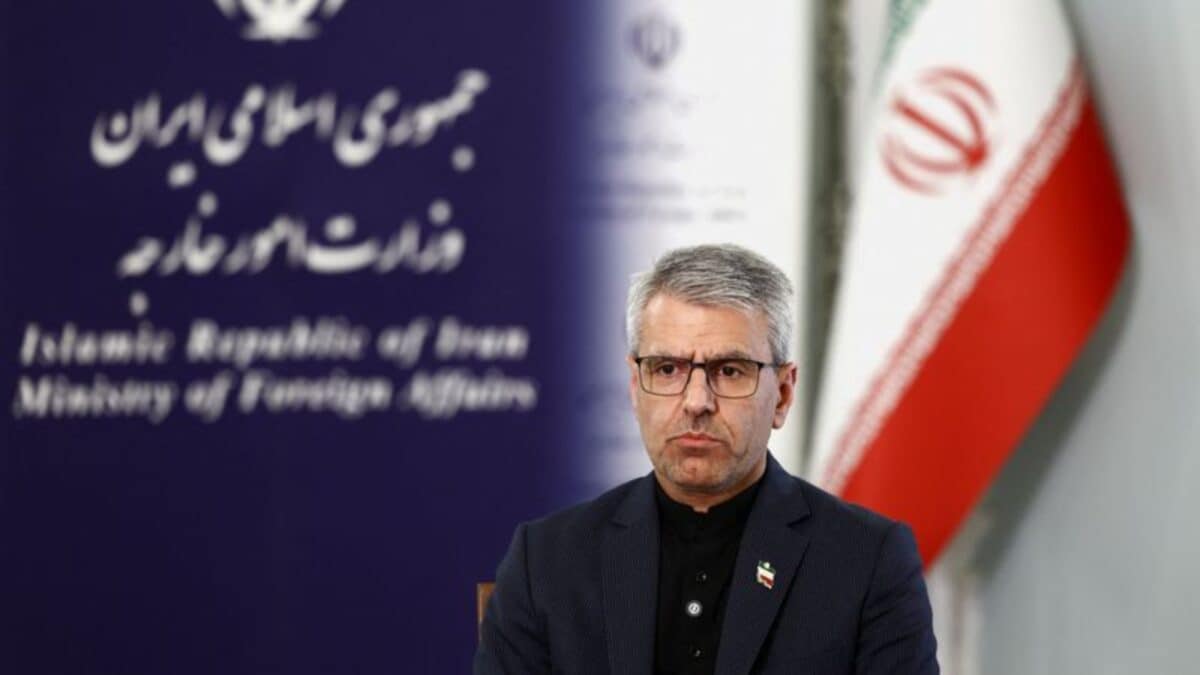
Foreign Ministry spokesman Esmaeil Baqaei said countries cooperating with Washington would face consequences.
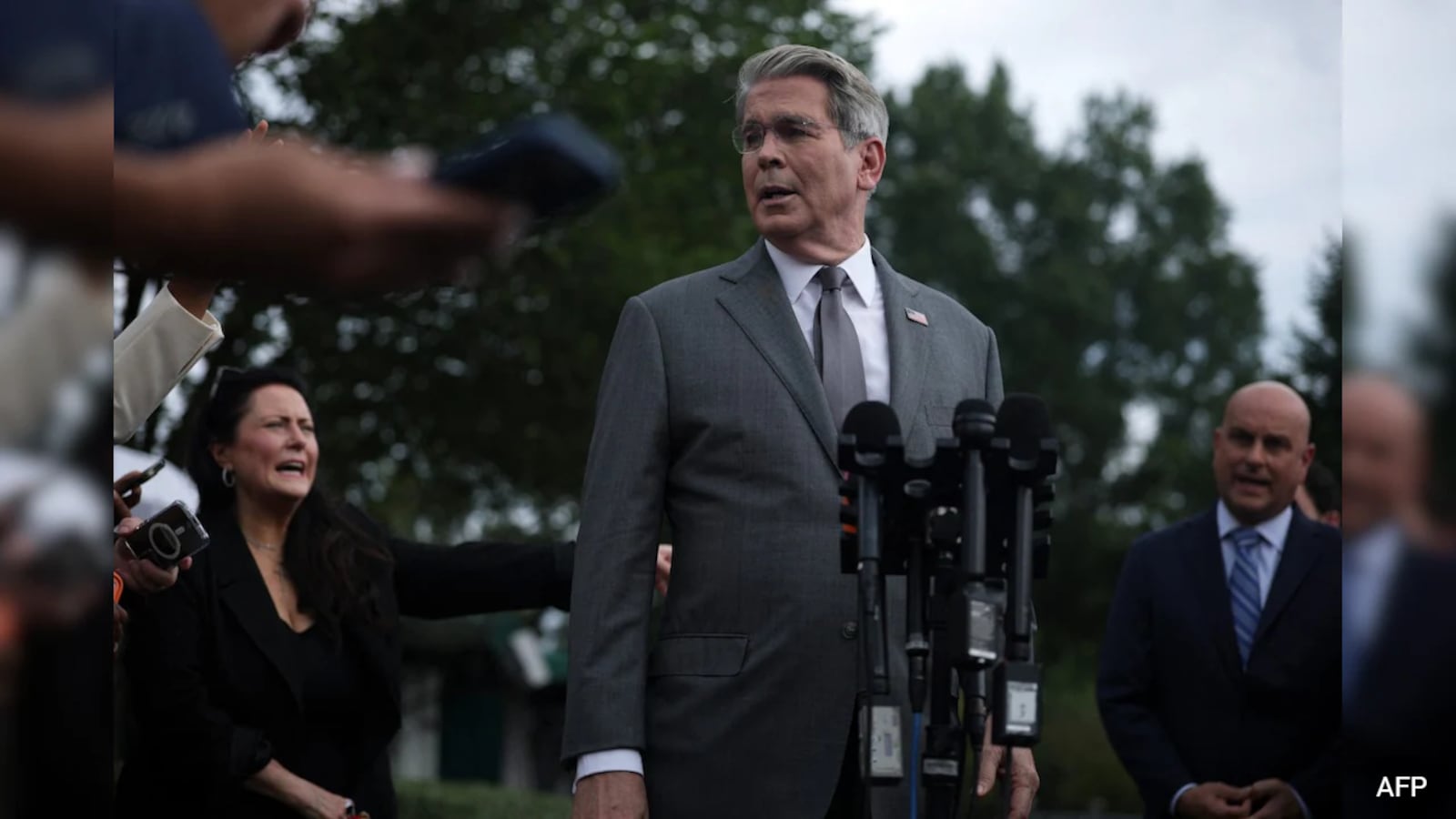
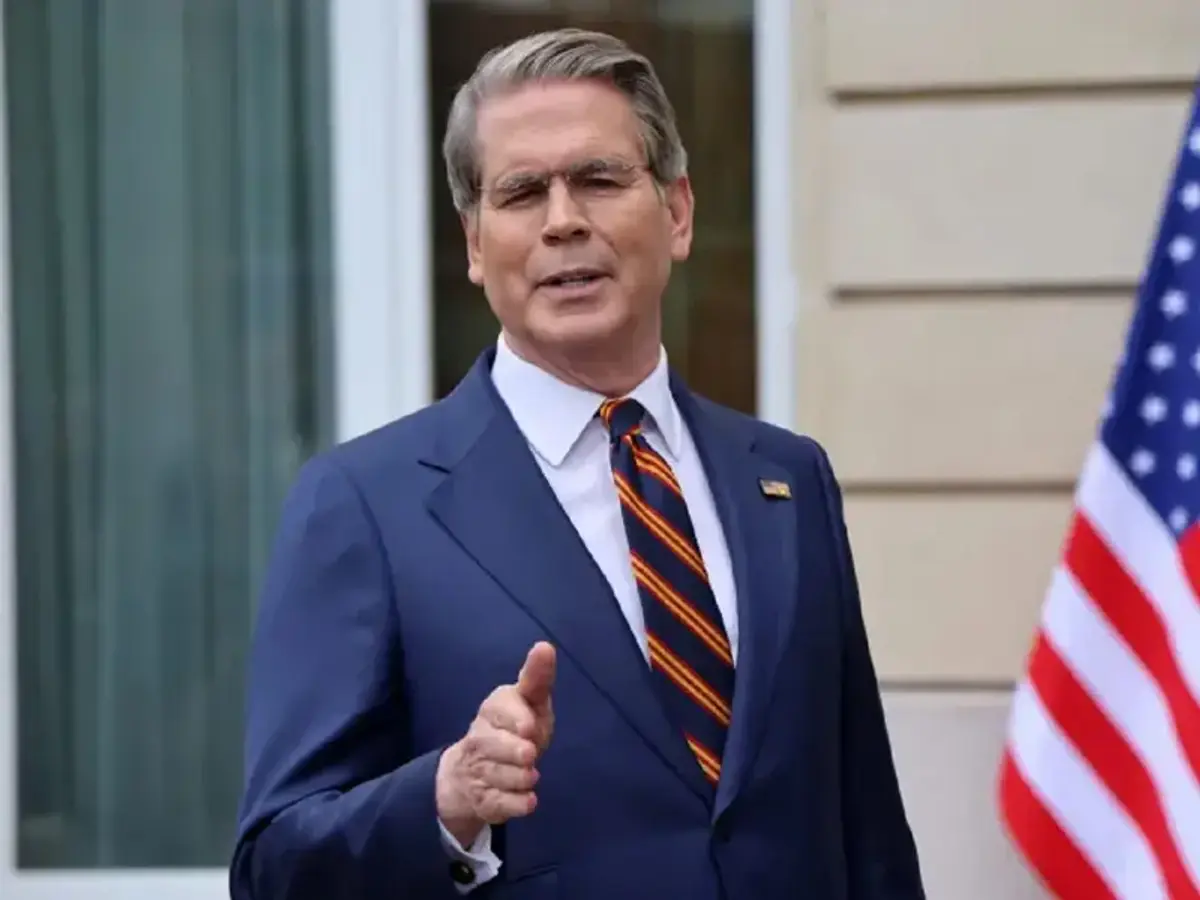
US Treasury Secretary Scott Bessent called the expanded pressure campaign an “economic D-Day” against Tehran.
Iran has linked the standoff to the Strait of Hormuz and demanded an end to the US naval blockade.
Oil flows through the strait reportedly fell from about two million barrels a day to around 400,000 by mid-August.
- Who
- Iranian officials, the United States, and countries cooperating with Washington are involved.
- What
- Iran warned of possible escalation and rejected expanded US economic sanctions.
- Where
- The confrontation involves Iran, the United States, and the Strait of Hormuz.
- When
- The warning was issued on Monday, August 25, 2026, with Iran referring to the next 48 hours.
- Why
- The dispute concerns US sanctions, a naval blockade, wartime damage, and conditions for reopening the Strait of Hormuz.
Iran’s Position
US Pressure Campaign
Purpose of economic pressure
Iran’s Position
Iranian officials say the expanded financial pressure shows Washington has failed to achieve its aims through the war and question whether it represents victory or defeat.
US Pressure Campaign
Scott Bessent says an “economic D-Day” has begun and warned that countries continuing to enable Iran could become “global pariahs.”
Strait of Hormuz
Iran’s Position
Iran says the United States must lift its naval blockade, withdraw forces from the region, and provide reparations before the waterway is reopened.
US Pressure Campaign
The article describes the US blockade as having sharply reduced Iran’s oil exports through the strait.
Prospects for stability
Iran’s Position
Mohammad Bagher Ghalibaf said Iran remains committed to a June memorandum with Washington and accused the US of preventing a return to stability by failing to honor its commitments.
US Pressure Campaign
The United States continues its expanded financial pressure while diplomatic efforts to end the conflict proceed.
Key facts
- Iranian warning
- Esmaeil Baqaei said Tehran had issued necessary warnings and was not “empty-handed.”
- US sanctions campaign
- Scott Bessent described the pressure campaign against Iran as an “economic D-Day.”
- Oil flows
- Flows through the Strait of Hormuz fell from about two million barrels a day before the war to around 400,000 by mid-August, according to Kpler.
- Iran’s demands
- Iran has demanded that the US lift its naval blockade, withdraw regional forces, and provide reparations for wartime damage.
- Diplomatic efforts
- Pakistan has been involved in mediation, while Oman is due to hold talks with Tehran about traffic through the strait.
- Iran’s financial networks
- Iran has developed alternative trading and financial networks, with China remaining a major buyer of its oil.
Quotes

Kazem Gharibabadi
Iranian deputy foreign minister
“The necessary warnings have been issued, and our co-operation with the United States will have consequences. We certainly are not empty-handed.”
 news18.com
“Is this a victory or an admission of America’s defeat?”
news18.com
Sources
Related news
US Threatens Iran With Economic D-Day as Tehran Responds

US Escalates Iran Economic Pressure as Hormuz Crisis Deepens

Iran Threatens Persian Gulf Oil Halt Amid US Economic Pressure
US Announces Economic D-Day as Iran Threatens Oil Export Halt

Iran Vows Devastating Response to US Toughest-Ever Sanctions

US Iran Confrontation Escalates as Sanctions and Hormuz Dispute

Trump Floats Renaming Strait of Hormuz as ‘Trump Strait’

Chevron Plans $7 Billion Venezuela Expansion Amid U.S. Oil Push

Saudi Arabia Says Iranian Tanker Attack Killed Two Sailors
U.S.-Iran Exchange Escalates Across Middle East, Markets Slide
Trump Aides Seek Quiet Iran War Before Midterm Elections