3 weeks ago
Magnesium Supplements Trend: Who Actually Needs Them?
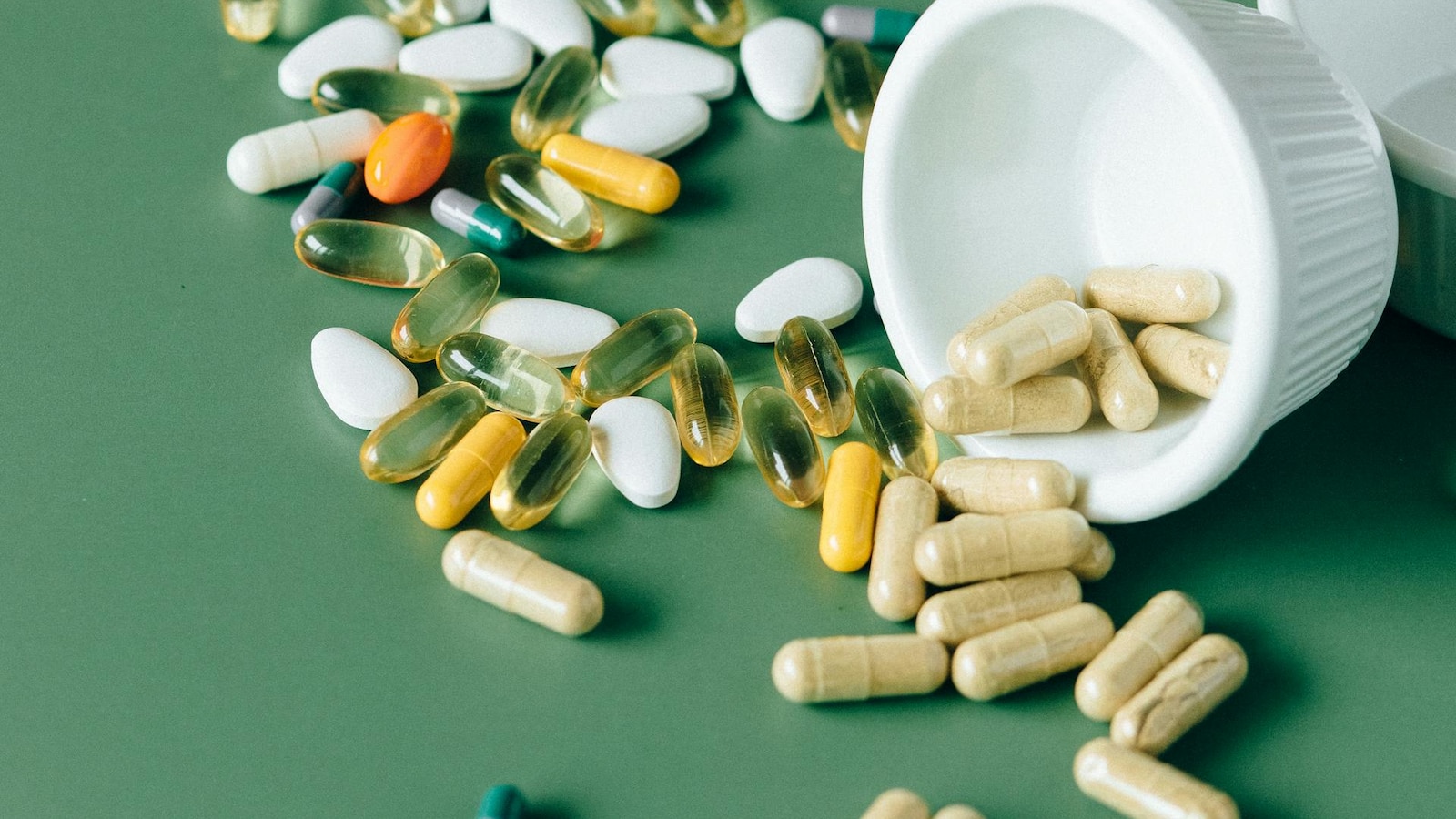
Magnesium is a mineral that helps our bodies do many important jobs, like keeping our muscles strong, our hearts beating properly, and giving us energy.
Some people have started taking magnesium pills because they think it will help them feel less stressed or recover faster after sports.
But doctors say that most people do not need these pills.
Taking too much magnesium can make you feel sick and cause stomach problems.
The best way to get magnesium is by eating healthy foods like spinach, nuts, beans, and dark chocolate.
Some people do need extra magnesium, like older adults or people with certain illnesses, but only when a doctor says so.
Doctors can test your blood to check if you are missing magnesium.
If you think you might need it, you should ask a doctor first.

Magnesium supports over 300 enzyme reactions and is essential for muscle, nerve, heart, bone, and metabolic function.
The Indian Council of Medical Research (ICMR) and National Institute of Nutrition (NIN) recommend 340 mg/day for adult men and 310 mg/day for adult women.
The trend is driven by heavy online marketing and claims that supplements reduce stress and improve recovery.
Experts say supplements should only be taken for a medically confirmed deficiency, with natural sources like spinach, almonds, and pumpkin seeds preferred.
Overdosing can cause nausea, diarrhea, abdominal cramps, low blood pressure, and, in severe cases, irregular heartbeat.
- Who
- Adults considering magnesium supplements, including older adults, people with digestive disorders, type 2 diabetes patients, and athletes; guidance from ICMR and NIN.
- What
- The rising popularity of magnesium supplements and guidance on who actually needs them.
- Where
- Not explicitly stated; recommendations are cited from India's ICMR and NIN.
- When
- The article notes supplements have 'suddenly become popular' amid online marketing, without specifying an exact date.
- Why
- Because people believe magnesium supplements reduce stress and improve recovery, though medical guidance says they should be taken only for a confirmed deficiency.
Supplement Enthusiasts and Marketers
Medical and Scientific Guidance
Effectiveness of magnesium supplements for stress, sleep, and recovery
Supplement Enthusiasts and Marketers
Marketing and anecdotal claims drive popularity, with supplements seen as reducing stress, improving recovery and sleep; some journal findings show a positive impact on self-reported anxiety.
Medical and Scientific Guidance
Evidence is mixed and inconclusive, sleep-related findings were described as mixed, and experts say supplements should only be taken for a medically confirmed deficiency, with food sources preferred.
Key facts
- Recommended intake (adult men)
- 340 mg/day
- Recommended intake (adult women)
- 310 mg/day
- Pregnant women
- 350 mg/day
- Lactating women
- 310 mg/day
- Deficiency signs
- Muscle cramps, fatigue, weakness, poor sleep, headaches, numbness or tingling, abnormal heart rhythm
- Recommended supplement forms
- Magnesium glycinate, citrate, oxide, chloride
- Rich food sources
- Pumpkin seeds, almonds, cashews, spinach, beans, lentils, soy products, whole grains, dark chocolate
- Overdose side effects
- Nausea, diarrhea, abdominal cramps, low blood pressure, irregular heartbeat (severe cases)
Sources
Related news

Magnesium Deficiency Signs, Food Sources, and Supplement Guidance
South Africa Clinic Names Top 5 Longevity Supplements for 2026

Are slow-release supplements better? Key absorption parameters explained

5 supplements that may help support healthy blood pressure

Doctors Explain Protein Needs, Powders and Sarcopenia Across Life

TikTok's Viral Cortisol Cocktail Lacks Evidence, Experts Warn

Uttarakhand Journalists Visit Hyderabad Development and Heritage Sites

Mancherial Centralized Kitchen Begins Breakfast for 49,104 Students

Why Post-Meal Pineapple May Support Protein Digestion

Centralized Kitchen Opens for Telangana Government School Breakfasts
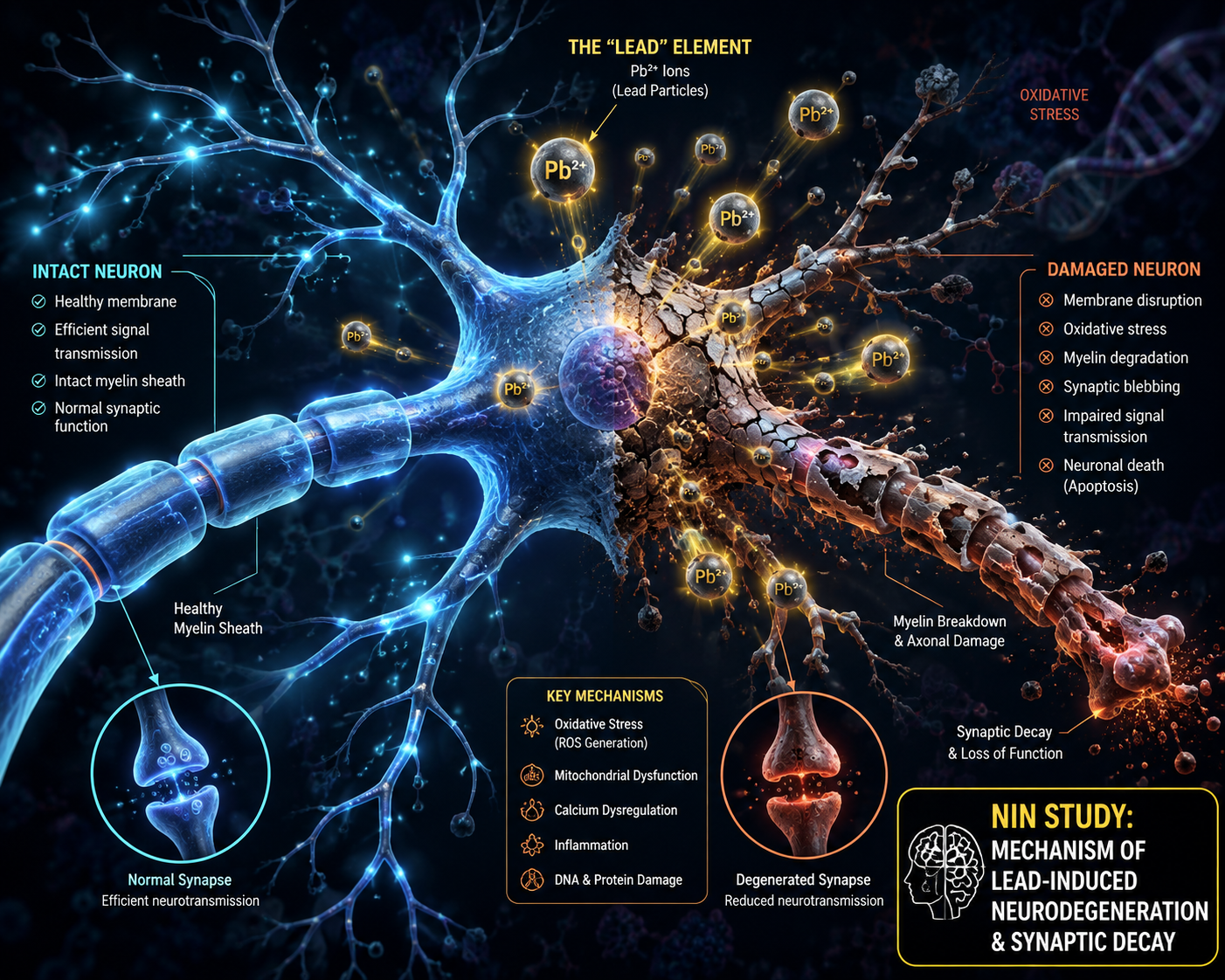
Study Finds Lead May Worsen Nerve Cell Damage