

3 weeks ago
Kerala Reports 105 Confirmed Chikungunya Cases Amid Monsoon Spike
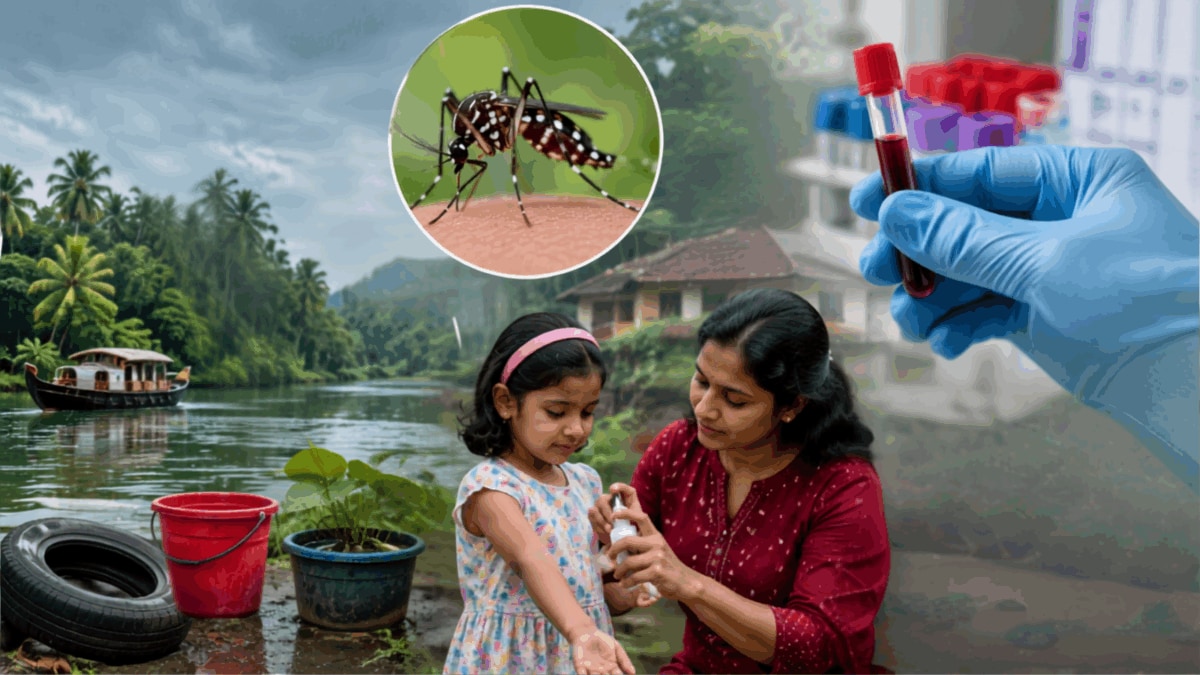
Many people in Kerala, a state in India, are getting sick with a disease called chikungunya.
The sickness comes from mosquito bites, and you cannot catch it from another person by touching or coughing.
These mosquitoes like to lay their eggs in water that sits still, like in buckets, old tyres, or pots.
Because it is rainy season in Kerala, there is lots of standing water, so mosquitoes are breeding a lot.
Doctors have confirmed 105 cases and think 62 more people may be sick.
Most of the sick people live in the city of Thiruvananthapuram.
Chikungunya starts with a high fever and very sore joints, and the pain can last for a long time.
There is no special medicine that cures the disease, so doctors help with rest, water, and fever medicine.
To stay safe, people should remove standing water and use mosquito repellent.

As of August 4, Kerala reported 105 confirmed and 62 probable chikungunya cases, with most in Thiruvananthapuram.
Health officials link the spike to monsoon conditions favouring breeding of Aedes aegypti and Aedes albopictus mosquitoes, the same species that spreads dengue.
Chikungunya causes high fever and severe joint pain that can persist for weeks or months; symptoms appear two to seven days after an infected bite.
There is no specific antiviral treatment or widely available vaccine; care focuses on rest, fluids, and paracetamol to relieve fever and pain.
The rise follows major epidemics in 2006-2007 and an outbreak in 2019-20, and has prompted stronger surveillance, mosquito control, and public awareness campaigns.
- Who
- Residents of Kerala, India, especially in Thiruvananthapuram, where most confirmed chikungunya cases are located
- What
- A spike in chikungunya virus infections, with 105 confirmed and 62 probable cases, prompting authorities to strengthen surveillance, mosquito control, and public awareness campaigns
- Where
- Kerala state, India, particularly Thiruvananthapuram
- When
- As of August 4
- Why
- Monsoon conditions favour breeding of Aedes aegypti and Aedes albopictus mosquitoes, leading to sustained transmission of the chikungunya virus
Key facts
- Confirmed cases
- 105
- Probable cases
- 62
- Report date
- August 4
- Hardest-hit area
- Thiruvananthapuram
- Cause
- Chikungunya virus (CHIKV)
- Mosquito vectors
- Aedes aegypti and Aedes albopictus
- Symptom onset
- 2-7 days after infected mosquito bite
- Treatment
- No specific antiviral; rest, fluids, paracetamol for fever and pain
Quotes
TS Anish
Professor of Community Medicine, School of Public Health, Kerala University of Health Sciences
“Monsoon conditions favour increased breeding of Aedes aegypti and Aedes albopictus. High vector indices can lead to sustained and efficient transmission of CHIKV. The virus does not normally cause mortality but the morbidity is high, with patients suffering from joint inflammation, pain, and long‑term disability.”
 NDTV
NDTV
Sources
Related news

Pune Reports Sharp Rise in Suspected Dengue Cases
Doctors Warn Dengue and Malaria Risks Continue Beyond Monsoon

Chandipura virus outbreak kills 22 children in Gujarat
Monsoon Mosquito Menace Raises Dengue Fears Across Hyderabad Suburbs

Kerala Minister Calls for Public Action Against Mosquito-Borne Diseases

Chandipura Virus Outbreak: Children Most at Risk, Government Responds

Kerala to Set Up Standalone AYUSH University; Panel Drafts Bill

Kerala University Registrar Repatriated Amid Reconciliation
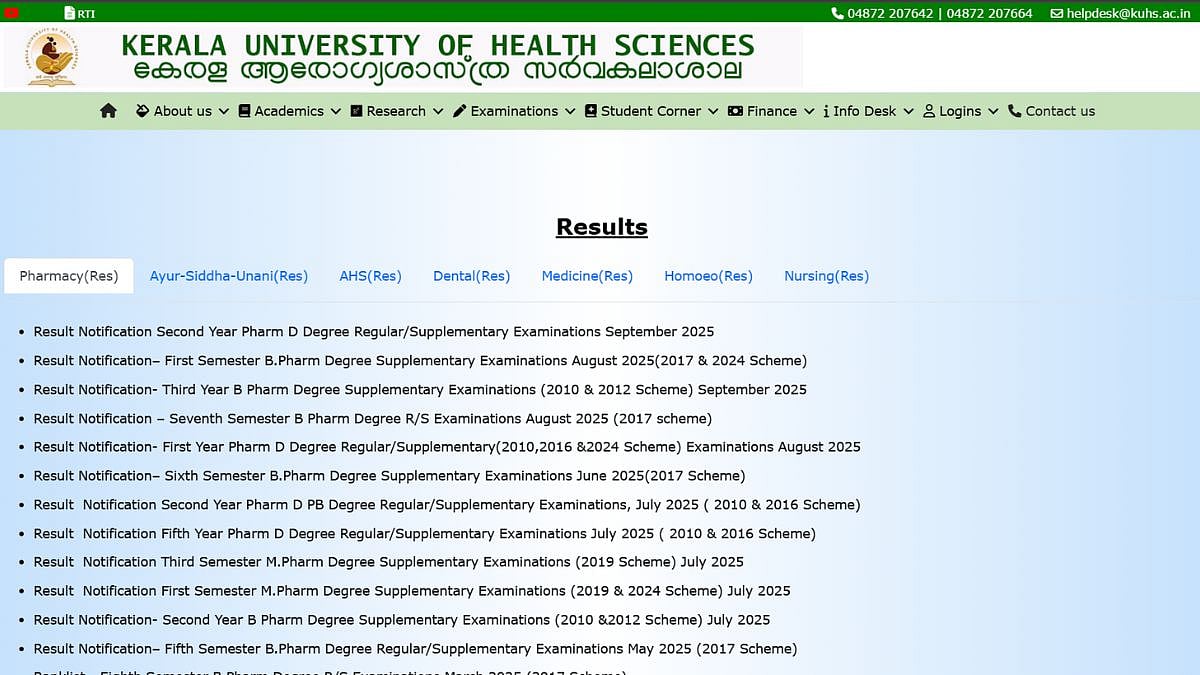
KUHS Result 2025 Announced for Various Health Programs
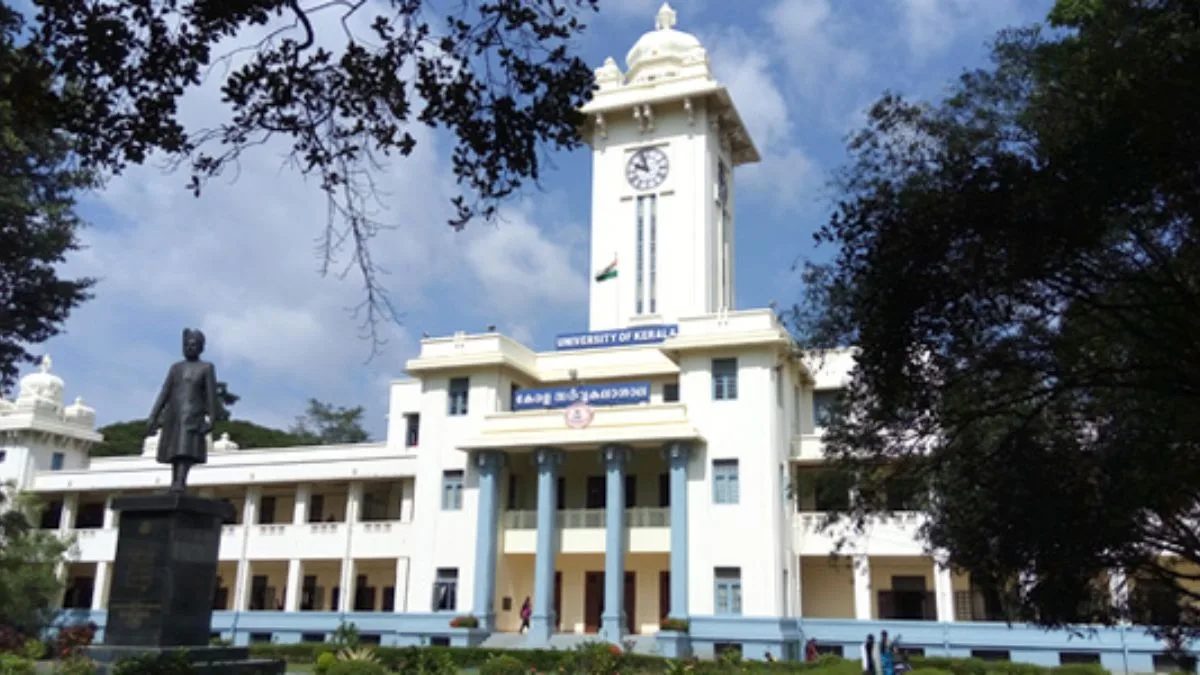
Kerala University Sanskrit PhD Row: SFI Leader's Degree Under Investigation
