2 hrs ago
India Proposes 50-Metre Junk Food Sales Restrictions Near Schools

India is considering a rule to limit the sale of unhealthy foods near schools.
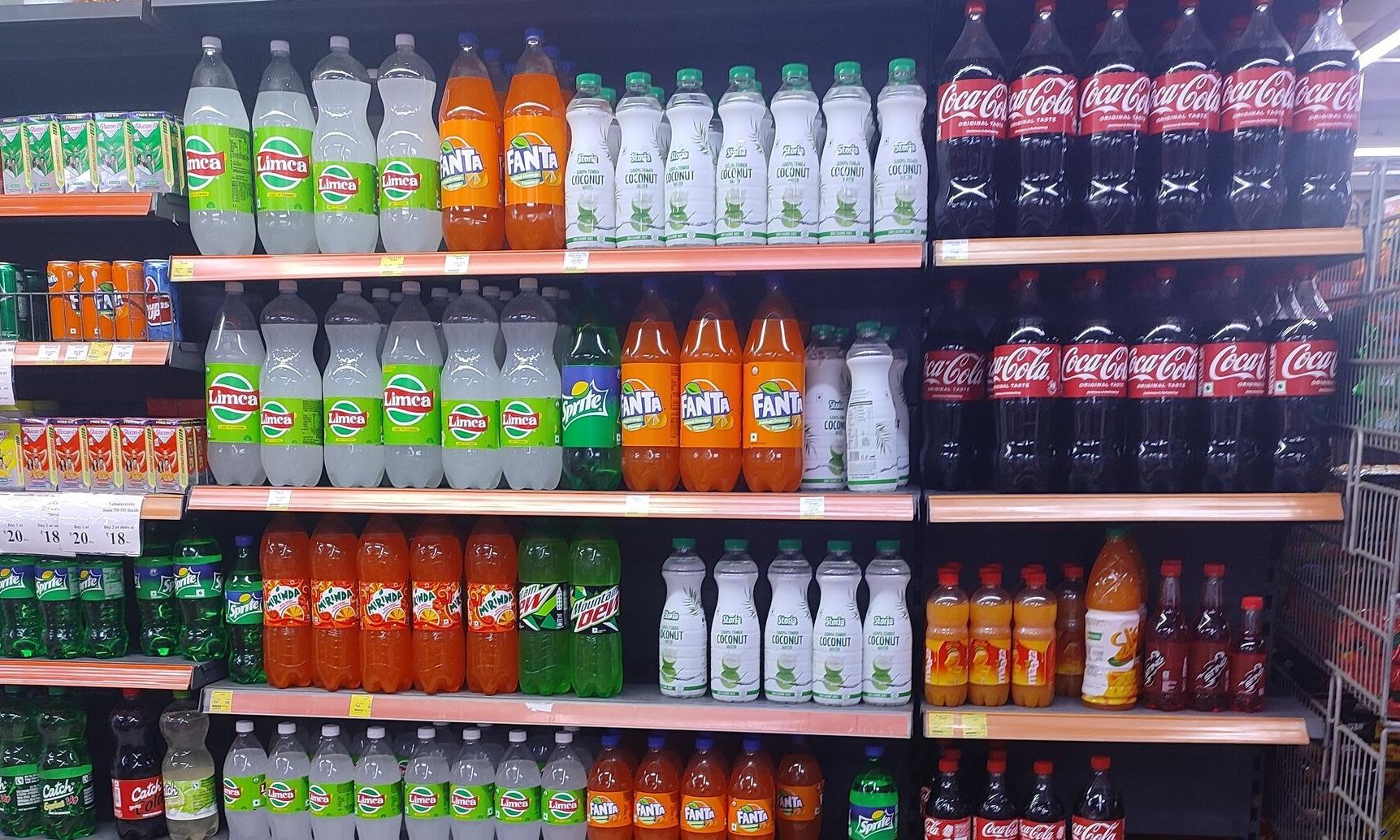
The rule would cover foods such as sugary drinks, chips, samosas, pizza and burgers.
It could affect many small shops and food stands near schools.
Officials say the goal is to help children develop healthier eating habits.
Some shopkeepers worry that their sales could fall sharply.
A food-industry group says the rule would be difficult to enforce near busy markets.
The proposal would use limits for fat, salt and sugar to decide which foods are restricted.
India is also considering warning labels for foods high in these ingredients.
The proposal comes as the number of overweight or obese Indian children has increased.

India is considering restricting sales of high-fat, salt and sugar foods within 50 metres of schools.
The proposal could affect shops, restaurants and food stands near the country's 1.5 million schools.
The Food Safety and Standards Authority of India says the plan aims to reduce unhealthy habits among children.
Shopkeepers and food-industry representatives warn the restrictions could reduce sales and threaten livelihoods.
India's proposal follows rising childhood obesity and tougher junk-food rules adopted or proposed in other countries.
- Who
- The Food Safety and Standards Authority of India, shopkeepers, food companies and food-industry representatives are involved.
- What
- India is considering restricting the sale and advertising of high-fat, salt and sugar foods within 50 metres of schools.
- Where
- The proposal concerns schools across India; Maharashtra has separately applied a stricter approach, including areas around schools.
- When
- The authority published proposed fat, salt and sugar thresholds in August and invited public feedback until October 6; the article was published September 24, 2026.
- Why
- Officials say the measures are intended to reduce unhealthy eating habits and address rising childhood obesity.
Public-Health Case
Business Concerns
Protecting children
Public-Health Case
Officials say restricting access to high-fat, salt and sugar foods can help children develop healthier habits and reduce obesity.
Business Concerns
Businesses argue that shops near schools also serve the general public, making a school-focused restriction difficult to apply fairly.
Scope of restrictions
Public-Health Case
The Food Safety and Standards Authority of India says shops could continue selling foods that do not exceed the proposed thresholds.
Business Concerns
The Confederation of Indian Food Trade and Industry says restrictions beyond school grounds could cause business and livelihood losses and should apply only inside schools.
Effect on food companies
Public-Health Case
Regulators and researchers say restrictions could encourage manufacturers to reformulate products and change consumer behavior.
Business Concerns
Food-industry specialists report concern among confectionery makers and other companies because children are an important consumer group.
Key facts
- Proposed distance
- 50 metres from schools
- Potentially affected schools
- Approximately 1.5 million schools in India
- Covered products
- Foods and drinks high in fat, salt and sugar, including chips, soft drinks, samosas, pizzas and burgers
- Responsible authority
- Food Safety and Standards Authority of India
- Child obesity figures
- The number of overweight or obese Indian children aged 5-19 rose from 28 million in 2015 to 41 million by 2025, according to World Obesity Federation data
- Maharashtra enforcement
- Inspectors found violations at 133 shops within 50 metres of schools and ordered 51 to discontinue business
- Proposal status
- No fixed timeline has been set for the regulation
Quotes

Tukaram Mundhe
Food safety commissioner of Maharashtra
“There will be hundreds of such shops near schools. How will one regulate if they are selling to schoolchildren or not? Shops cannot stock these items.”
 thehindubusinessline.com
“We have to discourage children from having these. We have to inculcate this habit.”
thehindubusinessline.com
Guillermo Paraje
Professor at Adolfo Ibáñez Business School in Chile
“If the law were ineffective and consumers did not change their behaviour, producers would not push back.”
thehindubusinessline.com
Sources
Related news
India’s Proposed Food Warning Labels Face Health, Industry Backlash

India Proposes Red Front-Pack Warnings for High-Nutrient Foods
India Faces Scrutiny Over Sugar, Salt And Food Warnings
India’s Front-of-Pack Food Warning Debate Faces Industry Pushback
India Drops Food Warning Labels as Court Reviews Policy

Madhya Pradesh Panel Seeks 50-Metre Junk Food Ban Near Schools

TDB Promises to Correct Sabarimala Prasadam Unit Deficiencies
FSSAI Proposes Stricter Labels for Analogue Paneer Products Buyers
India Food Regulator Acts Against Five E-Commerce Platforms
India Tightens Food Warning Rules With Front-of-Pack Labels