1 hr ago
China’s Iran Oil Ties Complicate Trump’s Sanctions Strategy
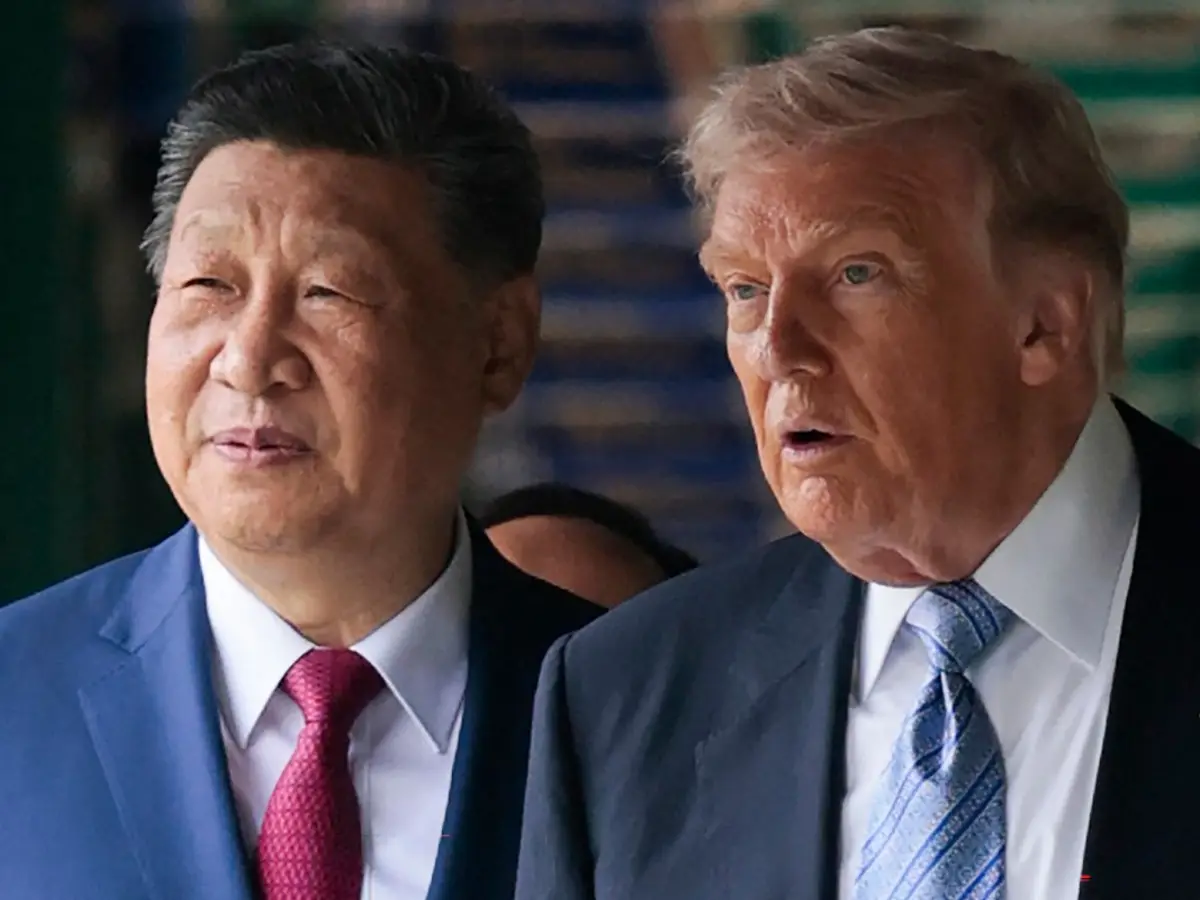
The United States is trying to pressure Iran by making it harder for Iran to sell oil.
China buys most of Iran’s exported oil, so it helps Iran earn money.
China also benefits by getting Iranian crude at a discount.
New US rules could punish companies outside America that continue helping Iran.
Those companies might lose access to the US financial system.
This creates a difficult choice for Chinese businesses and banks.
The United States also wants to avoid a serious fight with China over trade and technology.
China has rejected unilateral US sanctions and defended its trade with Iran.
The two countries must balance pressure on Iran with their larger relationship.

China accounts for roughly 90 percent of Iran’s exported oil purchases.
China imported nearly 1.4 million barrels per day of Iranian oil in 2025.
US secondary sanctions threaten non-American entities doing business with Iran.
Washington has targeted Chinese and Hong Kong entities tied to Iran’s oil, missile and nuclear activities.
Aggressive action against China could complicate efforts to stabilize US-China relations.
- Who
- The Trump administration, China, Iran, Chinese businesses and financial intermediaries, and US-China officials.
- What
- Washington is expanding secondary sanctions to pressure Iran and entities that help sustain its oil trade.
- Where
- The sanctions affect Iran-linked transactions involving China and Hong Kong; planned talks are in Washington.
- When
- The strategy is being expanded in 2025, with US-China talks being prepared and Chinese oil imports cited for 2025.
- Why
- The United States wants to reduce Iran’s ability to finance its economy and war effort, while China seeks economic benefits from Iranian crude and continued trade ties.
US pressure on Iran
China’s trade relationship with Iran
Purpose of the sanctions
US pressure on Iran
The United States wants to make business with Iran increasingly costly and reduce Tehran’s ability to finance its economy and war effort.
China’s trade relationship with Iran
China continues trading with Iran because it provides access to discounted crude and serves Beijing’s economic interests.
Secondary sanctions
US pressure on Iran
Washington says non-US companies and financial institutions helping sanctioned Iranian entities may risk losing access to the US financial system.
China’s trade relationship with Iran
China has rejected unilateral US sanctions on Iran and defended its trade relationship with Tehran.
Risk to broader relations
US pressure on Iran
Targeting Chinese companies or banks could be necessary to weaken Iran’s economic lifelines.
China’s trade relationship with Iran
Aggressive sanctions on major Chinese entities could trigger another confrontation with Beijing while the countries seek to stabilize relations.
Key facts
- Iran’s largest trading partner
- China
- Share of Iranian exported oil linked to Chinese purchases
- Roughly 90 percent
- Chinese imports of Iranian oil in 2025
- Nearly 1.4 million barrels per day
- Sanctions mechanism
- Secondary sanctions can threaten non-US entities with losing access to the US financial system.
- Recent targets
- Entities in China and Hong Kong linked to Iran’s oil, missile and nuclear-related activities.
- China’s competing regional interests
- China’s two-way trade with Saudi Arabia and the United Arab Emirates was significantly larger than its trade with Iran in 2025.
Sources
Related news
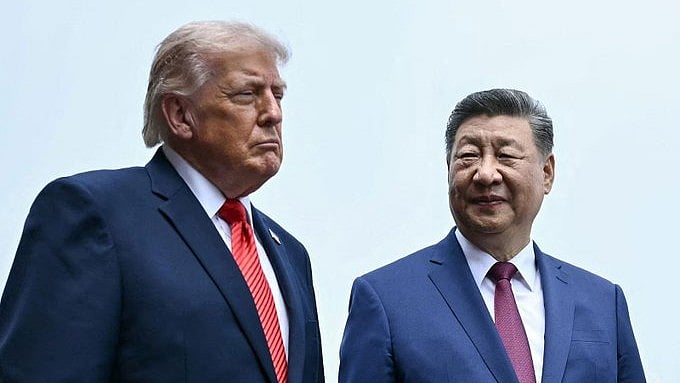
China Rejects US Sanctions Threats Over Iran Trade
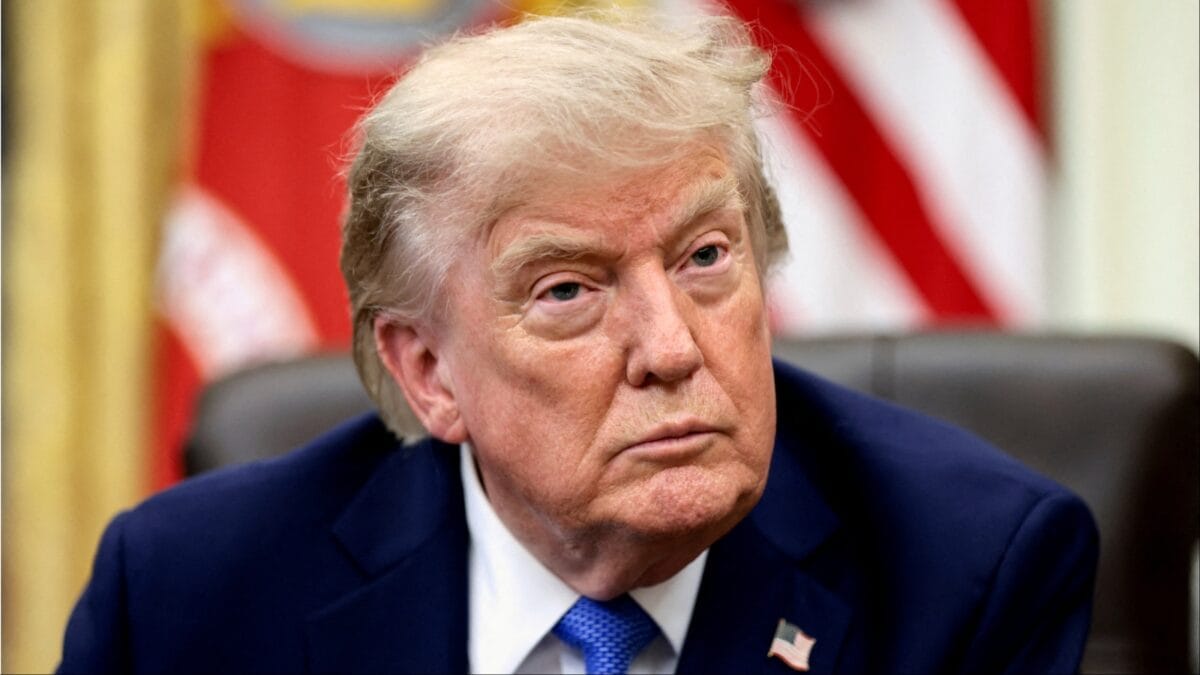
Trump Signals Possible Sanctions on Chinese Banks Over Iran

China Rejects US Sanctions Pressure, Urges Restraint on Iran
US Sanctions on Iran Put China, India, Tehran in Focus
China Opposes New Iran Sanctions as Trump Presses Talks
China Warns US Retaliation Over Iran Sanctions Expansion
Trump-Xi Meeting Tests Fragile US-China Trade and Technology Truce
Trump-Xi Talks Put AI and Chips at Center
Trump-Xi Summit Emphasizes Pageantry Amid U.S.-China AI Feud
Xi Unlikely to Bring CEOs as Trump Seeks Summit Deals