

6 days ago
War and Debt Raise Questions About America’s Imperial Future
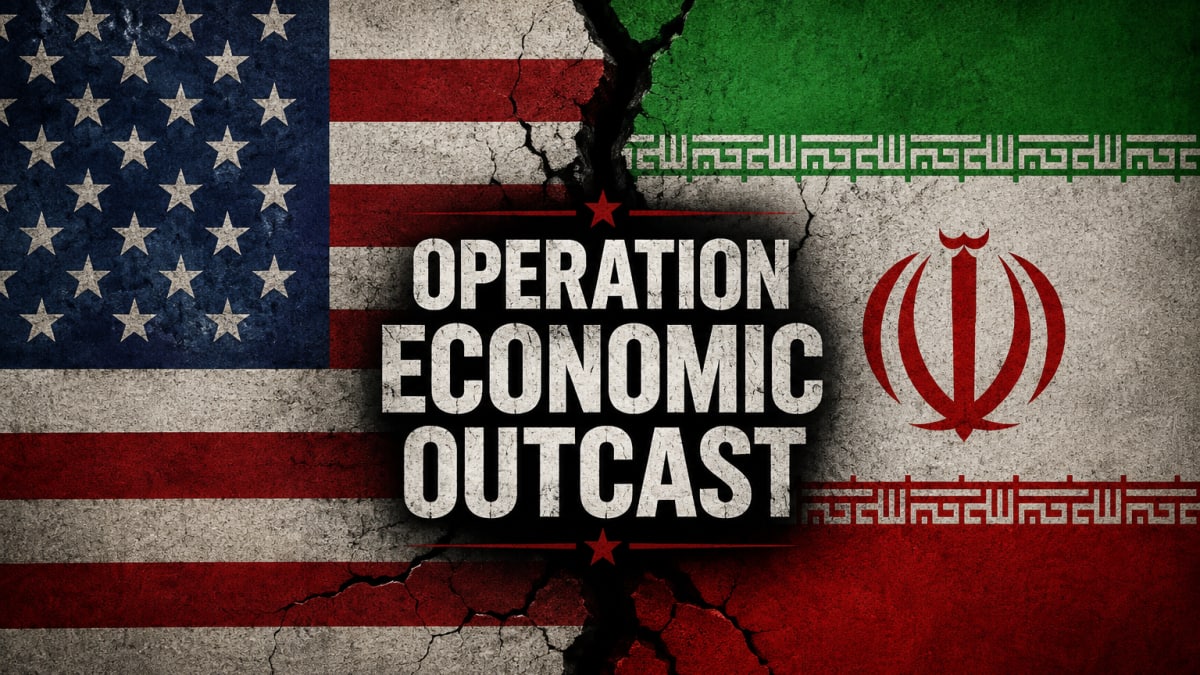
The article asks whether the United States may be becoming too stretched around the world.
It compares America with Britain and the Soviet Union, which weakened after expensive wars.
Britain was heavily indebted after World War II and later lost most of its empire.
The Soviet Union invaded Afghanistan in 1979 and collapsed in 1991.
The writer says America’s war with Iran and its worldwide military commitments could create a similar turning point.
The United States also has about $40 trillion in public debt, according to the article.
Paying interest on that debt costs about $1 trillion each year.
President Donald Trump is trying to reduce some overseas military spending, but the article says these steps may not be enough.
The writer believes America may eventually have to become less involved militarily around the world.

The article compares Britain’s post-World War II decline and the Soviet Union’s collapse after Afghanistan with America’s current position.
It argues that the six-month Iran war could become an inflection point for United States global power.
US public debt reportedly reached $40 trillion in August 2026, with annual interest payments of about $1 trillion.
The article says President Donald Trump is reducing some overseas military commitments but has not fundamentally reduced America’s global role.
It warns that the US debt-to-GDP ratio has risen to 125 percent and cites a forecast of $64 trillion in federal debt by 2036.
- Who
- The United States, President Donald Trump, and the historical examples of the British and Soviet empires.
- What
- An opinion analysis of whether war, military overextension, and rising debt could weaken US global power.
- Where
- The discussion concerns US military and financial commitments worldwide, including Iran, Europe, the Indo-Pacific, South Korea, NATO, and the Gulf.
- When
- The article focuses on developments through August 2026 and compares them with Britain after World War II and the Soviet Union from 1979 to 1991.
- Why
- The writer argues that prolonged wars, global military commitments, and rising debt could mark the beginning of a decline in US global hegemony.
Key facts
- US public debt
- The article says US public debt crossed $40 trillion in August 2026.
- Annual interest payments
- Interest payments on US debt are described as approximately $1 trillion per year.
- Federal budget deficit
- The article reports a $1.8 trillion deficit in the first 10 months of fiscal 2026 and cites a projection of $1.9 trillion for the full year.
- Debt-to-GDP ratio
- US debt is presented as $40 trillion against $32 trillion in GDP, producing a ratio of 125 percent.
- Overseas military presence
- The United States is said to have more than 750 military bases in 80 countries.
- Future debt forecast
- A Congressional Budget Office forecast cited by the article projects gross federal debt of approximately $64 trillion by the end of 2036.
- Historical comparison
- The article says Britain’s empire unraveled after World War II and the Soviet Empire collapsed after its Afghanistan war and the events of 1991.
Quotes

Ronald Reagan
US president who warned in a televised 1981 speech about foreign wars and government profligacy.
“If we as a nation needed a warning, let that be it.”
 firstpost.com

Euronews
News organization cited for projections concerning the US federal budget deficit.
“The US federal budget deficit is projected to reach $1.9 trillion in 2026, equivalent to 5.8 per cent of GDP.”
firstpost.com
Sources
Related news
Trump Faces Fiscal, Military and Political Setbacks Before Midterms
US Debt Tops $40 Trillion as Iran Tensions Escalate

China Mocks Washington Over America's $40 Trillion Debt Monster

Trump Announces Economic D-Day Against Iran as Araghchi Responds

US National Debt Surpasses $40 Trillion Amid Rising Costs
U.S. Debt Tops $40 Trillion, Prompting Fresh Fiscal Crisis Warnings
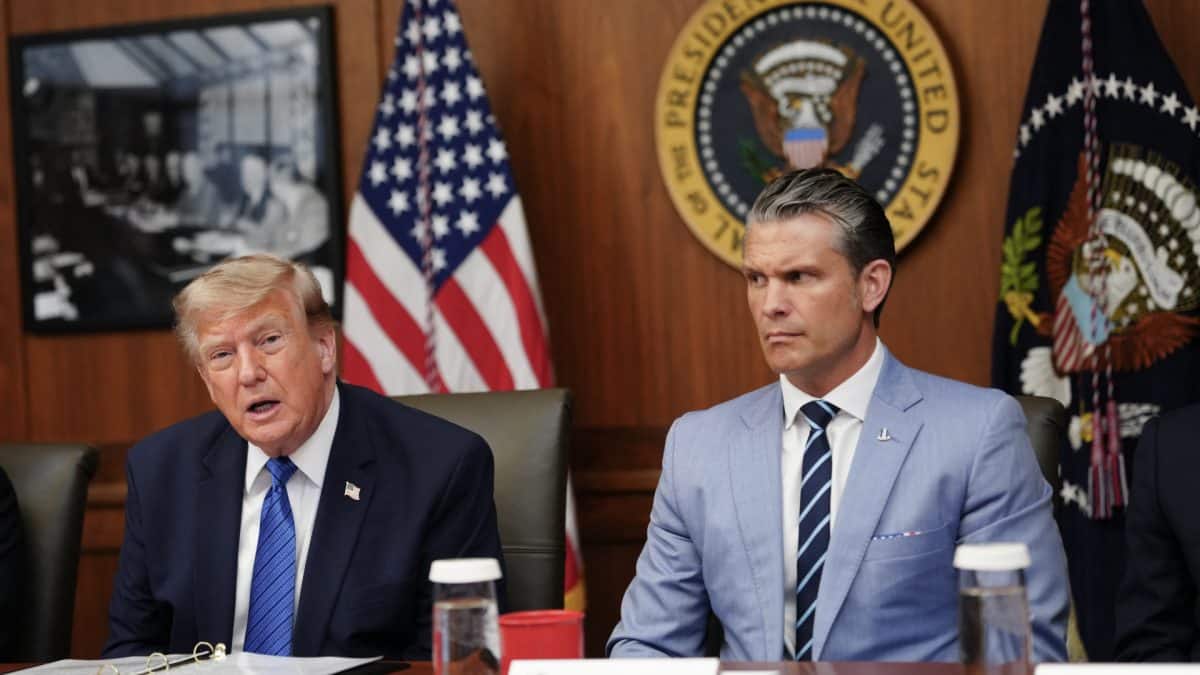
Pentagon Turmoil Deepens as Hegseth Tightens Grip on Military

Germany Blames Russia for Leipzig Drone Attack, Europe Vows Response
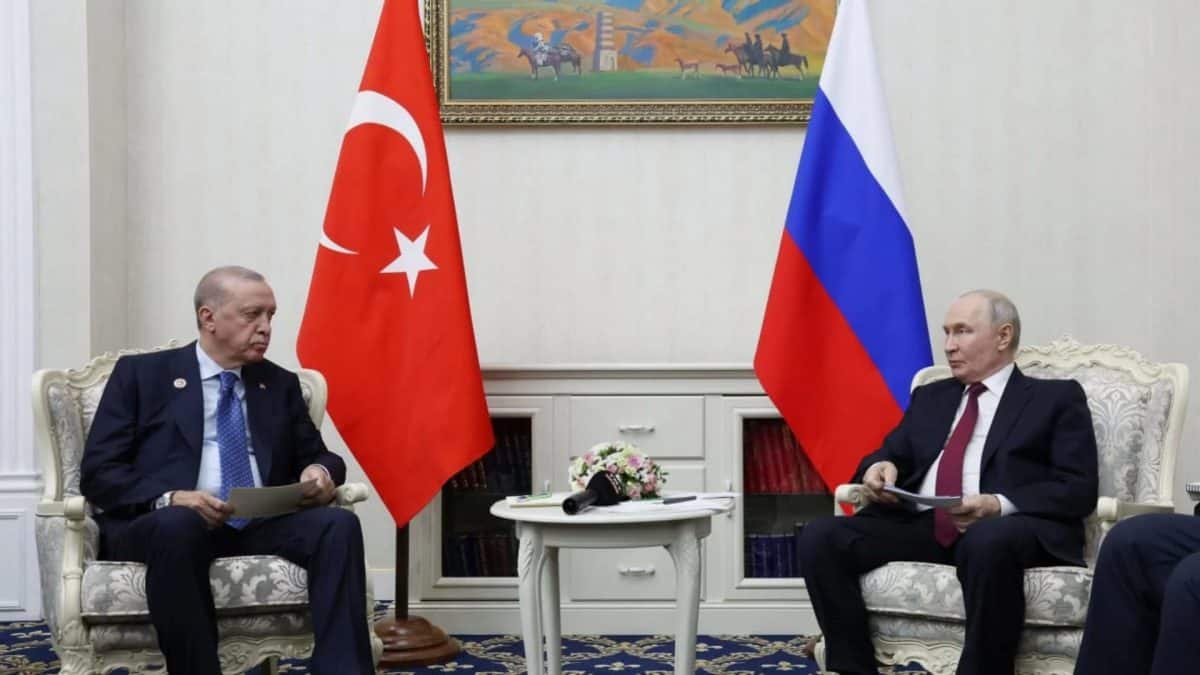
Erdogan Says Turkey Would Consider Full Shanghai Cooperation Organisation Membership

Augsburg Train Station Closed After Explosion, Suspicious Object Found

Taliban Offers Afghan Mineral Wealth as Washington Weighs Engagement
