

2 weeks ago
Mecca Defence Agreement Marks Pakistan's Quest for Islamic World Standing
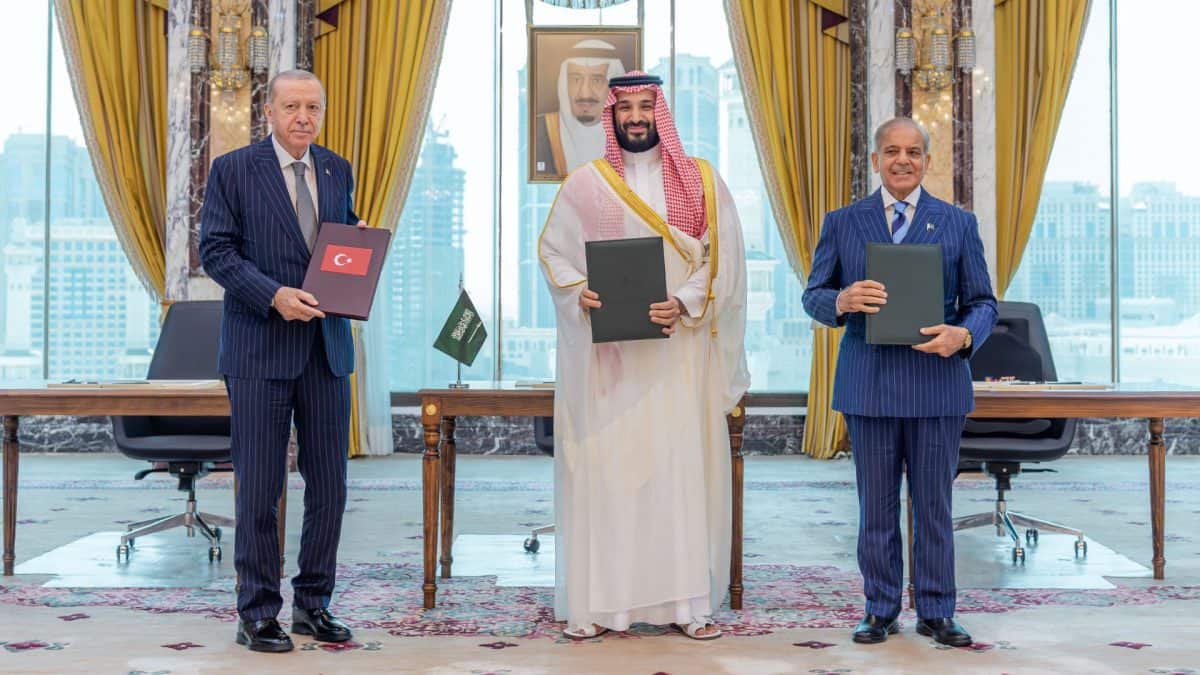
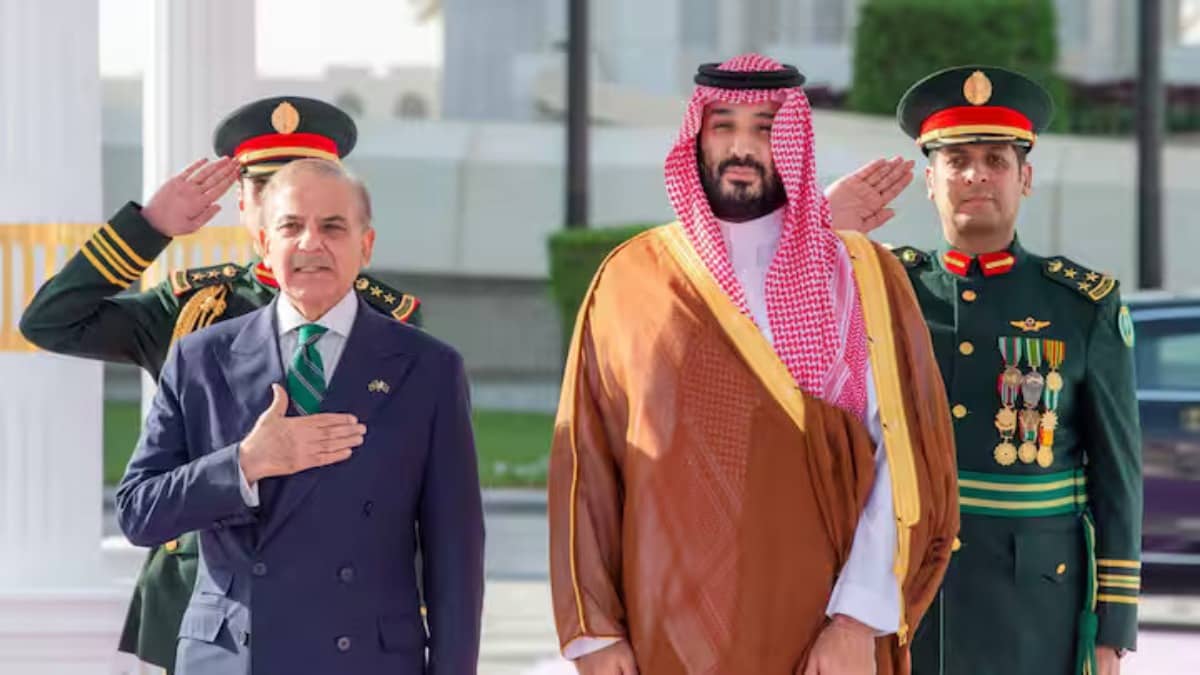
Three countries — Saudi Arabia, Turkey and Pakistan — signed a special promise in the holy city of Mecca.
The promise says that if one of them is attacked, the others will come to its defence.
Pakistan wants the rest of the Muslim world to see it as a very important country.
It has a large, professional army and is the only Muslim country that has nuclear weapons.
But many respected Muslim countries have not placed Pakistan at their level.
Pakistan often has to ask other countries for money because its economy is struggling.
Saudi Arabia and Turkey are among the most respected Muslim countries.
Turkey's leader, President Recep Erdogan, wants his country to be powerful again like in the past.
Pakistan hopes joining the agreement will make it an equal partner.
The article's writer says Pakistan will only gain true respect when its economy becomes strong.

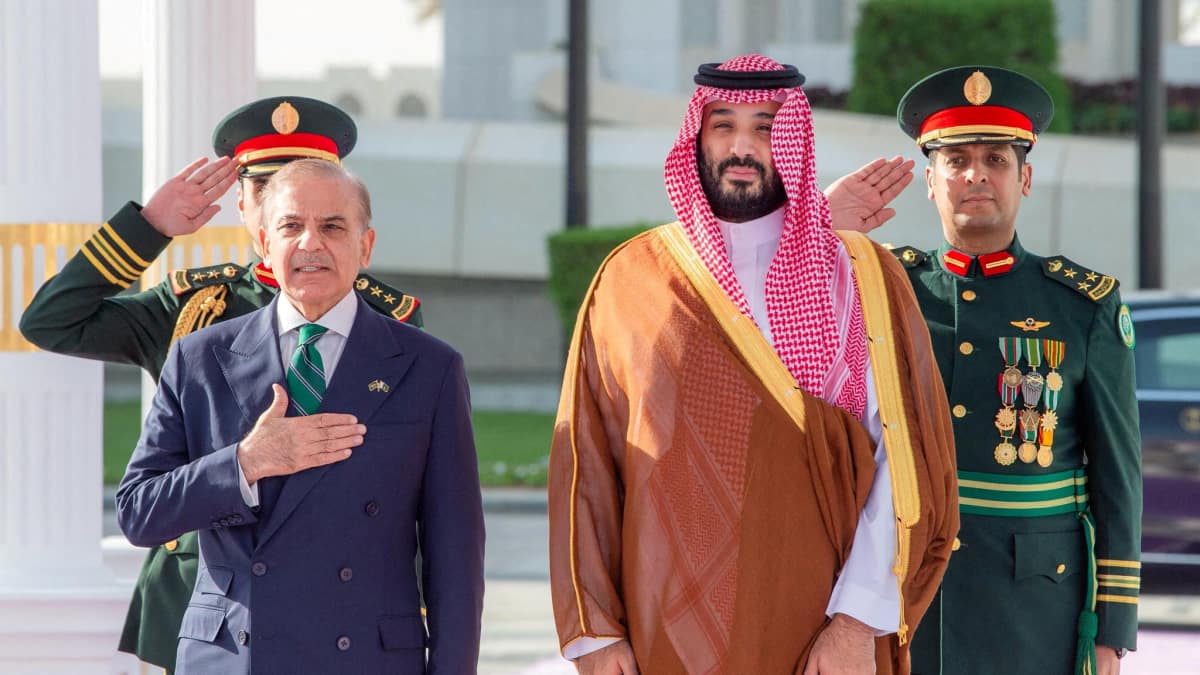
Saudi Arabia, Turkey and Pakistan signed the Mecca Joint Defence Agreement (MJDA) on August 7 in Mecca.
The pact contains a clause that an attack on one signatory will be considered an attack on all.
Pakistan already has a Strategic Mutual Defence Agreement with Saudi Arabia, signed in September 2025.
Pakistan hopes the pact lifts its standing in the Islamic Ummah, which the article says has withheld great-power status from it.
The article argues Pakistan, the only Islamic state with nuclear weapons, will only win respect when it becomes a viable economic entity.
- Who
- Saudi Arabia, Turkey and Pakistan, the signatories of the Mecca Joint Defence Agreement
- What
- A joint defence pact designed so an attack on one member is treated as an attack on all, and an analysis of its implications for Pakistan's place in the Islamic world
- Where
- Mecca, Saudi Arabia
- When
- August 7
- Why
- Pakistan seeks recognition as an equal, leading Islamic state; the agreement also follows Pakistan's mediation between the US and Iran
Pakistan's quest for recognition
The Ummah's perception of Pakistan
Pakistan's status in the Islamic world
Pakistan's quest for recognition
Pakistan feels it deserves recognition as a leading Islamic state because it was created as a homeland for Muslims and is the only Islamic nuclear power.
The Ummah's perception of Pakistan
The major Islamic states do not grant Pakistan the status of a great Islamic power, and the article argues respect depends on economic strength, not military assets.
Pakistan's role in the defence pact
Pakistan's quest for recognition
Pakistan joins the MJDA as an equal party, contributing a professional army and strategic assets.
The Ummah's perception of Pakistan
Saudi Arabia and other Gulf states have historically used Pakistan's army as mercenary forces and may still treat it as a supplier of soldiers rather than an equal.
Prospects for the agreement
Pakistan's quest for recognition
Pakistan regards the MJDA as a great diplomatic achievement following its mediation between the US and Iran.
The Ummah's perception of Pakistan
The article warns that pride in international affairs is ephemeral and that economic realities will likely prevent Pakistan from gaining true equality.
Key facts
- Agreement
- Mecca Joint Defence Agreement (MJDA)
- Signatories
- Saudi Arabia, Turkey, Pakistan
- Date and place
- August 7, Mecca
- Core clause
- An attack on one signatory is considered an attack on all
- Related pact
- Pakistan-Saudi Strategic Mutual Defence Agreement, signed September 2025
- Pakistan-Turkey ties
- Armies closely linked for about seventy years
- Nuclear status
- Pakistan is the only Islamic state with nuclear weapons
- Diplomatic backdrop
- Pakistan recently mediated between the US and Iran
Sources
Related news
Pakistan Urges Muslim Nations to Join 'Islamic NATO' Defence Pact
Pakistan seeks Mecca pact front against Israel and India
Saudi Arabia, Turkey, Pakistan 'Islamic NATO' Pact Raises India Concern
Turkiye, Saudi Arabia, Pakistan Set to Sign Joint Defence Pact
Pakistan, Saudi Arabia, Turkey Sign 'Islamic Nato' Defence Pact
Mecca Defence Pact: Would Saudi and Turkey Fight for Pakistan?
US-Iran Strikes Escalate as Tehran Warns of New Strategy
Trump Warns of Fresh Iran Strike After Heavy Attack

Wall Street Rebounds as Investors Reassess Risky Stocks

Trump Says US Could Attack Iran Again at Will

U.S. Treasury Yields Ease as Jobs Data Misses Expectations
