1 week ago
Amit Shah Promotes Victim-Centric, Technology-Driven Criminal Laws

Amit Shah spoke about three new laws for handling crimes in India.
He said they replace older laws from the British colonial period.
The government says the new system will focus more on helping victims than only punishing offenders.
It gives special attention to women and children.
People may be able to report crimes through Zero FIRs and e-FIRs.
Investigators and courts will use electronic evidence, forensic methods and online hearings.
Shah said technology, transparency and deadlines could make cases move faster.
He claimed that, after the system is fully implemented, cases could reach the Supreme Court within three years.
During the visit, he also discussed border security and fencing near Bangladesh.

Amit Shah said three new criminal laws replaced India’s “colonial” criminal justice system.
He described the framework as victim-centric rather than punishment-centric, with priority for women and children.
The laws highlight Zero FIRs, e-FIRs, electronic and forensic evidence, and online court proceedings.
Shah said technology, transparency and fixed timelines could help cases reach the Supreme Court within three years after full implementation.
During his Siliguri visit, Shah reviewed Sashastra Seema Bal projects and discussed land for fencing along the India-Bangladesh border.
- Who
- Union Home Minister Amit Shah, Sashastra Seema Bal personnel, and officials connected with West Bengal’s government.
- What
- Shah presented the Bharatiya Nyaya Sanhita, Bharatiya Nagarik Suraksha Sanhita and Bharatiya Sakshya Adhiniyam as technology-driven, victim-focused reforms, and discussed border-security infrastructure.
- Where
- Siliguri, West Bengal, including the Sashastra Seema Bal Frontier Headquarters and an exhibition on the new laws.
- When
- On Friday, during Shah’s visit to Siliguri; the articles do not specify the calendar date.
- Why
- To explain the intended effects of the new criminal laws and address border security, including land for fencing along the India-Bangladesh border.
Shah’s Claims
Reported TMC Position
Implementation in West Bengal
Shah’s Claims
Shah accused the previous Mamata Banerjee-led Trinamool Congress government of deliberately delaying notification of the new laws, alleging concern over corruption cases and the previous system.
Reported TMC Position
The articles do not include a response from the Trinamool Congress or Mamata Banerjee to Shah’s allegations.
Justice-system performance
Shah’s Claims
Shah said the new laws would improve investigations and trials through technology, transparency, forensic evidence and fixed timelines.
Reported TMC Position
The articles provide no opposing assessment of the new laws’ likely effectiveness or of Shah’s claims about the previous system.
Rule of law in Bengal
Shah’s Claims
Shah claimed the BJP government had begun replacing a system of “syndicate, cut money, toll tax and fear” with governance based on trust and the rule of law.
Reported TMC Position
No response from the previous state government or the Trinamool Congress is reported in the articles.
Key facts
- New criminal laws
- Bharatiya Nyaya Sanhita, Bharatiya Nagarik Suraksha Sanhita and Bharatiya Sakshya Adhiniyam
- Stated focus
- Victim-centric justice, with priority for women and children
- Three Ts
- Technology, Transparency and Timeline
- Highlighted provisions
- Zero FIR, e-FIR, electronic evidence, forensic investigation and online court proceedings
- Projected timeline
- Shah claimed cases could reach the Supreme Court within three years after full implementation
- Border fencing land
- Shah said the West Bengal government had handed over more than 1,100 acres for fencing along the India-Bangladesh border
- Strategic region
- The Siliguri Corridor is a narrow land link connecting mainland India with northeastern India
Quotes

Amit Shah
Union Home Minister of India
“The notification was not issued deliberately out of fear that the castles of corruption built by the previous ruling party would collapse in minutes following the implementation of the three new laws. In the Bengal elections, we promised the people of Bengal to form a government of trust, not fear. The first file that the new Chief Minister, Suvendu Adhikari, signed after assuming office was to implement our three new codes of justice and remove the old laws of the British era. From there, the”
 thehansindia.com
“The three new laws are intended to strengthen the protection of citizens, property and victims while speeding up the criminal justice process. At the same time, they are more victim‑centric rather than punishment‑centric, unlike the previous system.”
thehansindia.com
Sources

Related news

Amit Shah: New criminal laws built on technology, timeline, trust

New Bidhannagar Police Office Inaugurated Amid Criminal Justice Reform Push

Amit Shah Says New Criminal Laws Will End Extortion Regime

Amit Shah to Review SSB Projects, Border Security in Siliguri

Suvendu Adhikari Pledges National Security, Patriotism and Criminal-Law Reform
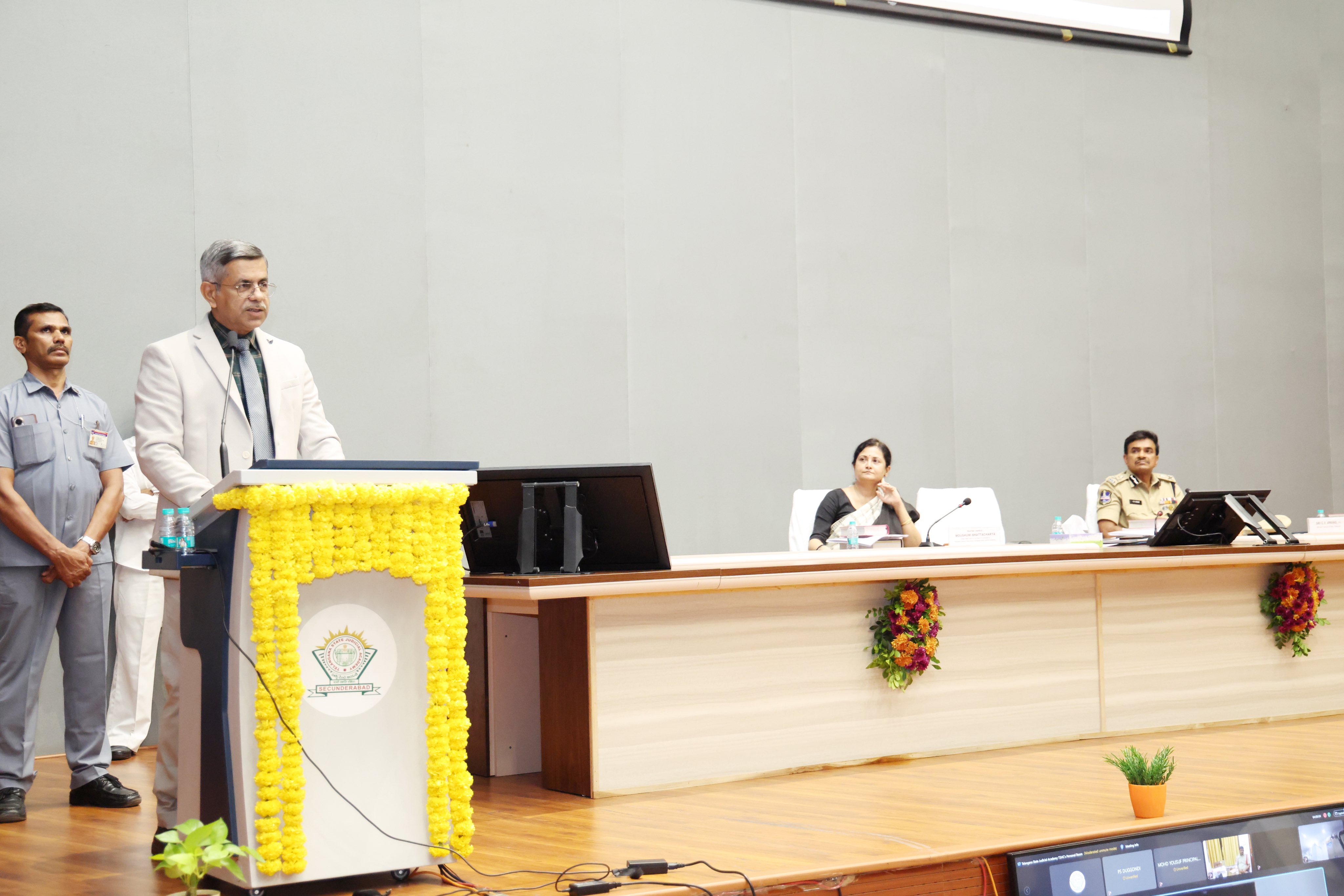
Telangana Justice System Urged to Deepen Digital Coordination
TMC Factions Turn West Bengal Assembly Gate Into Battleground

TMC Alleges Police Misuse and Denial of Legal Notices

Kolkata Janmashtami Committee Shift Sparks Religious Harmony Debate

Derek O’Brien Questioned Over TMC Office Billboard Clash

Jadavpur VC Urges Students to Move Views From Walls Online