9 hrs ago
Bengal’s New BJP Government Faces Test Beyond Victory
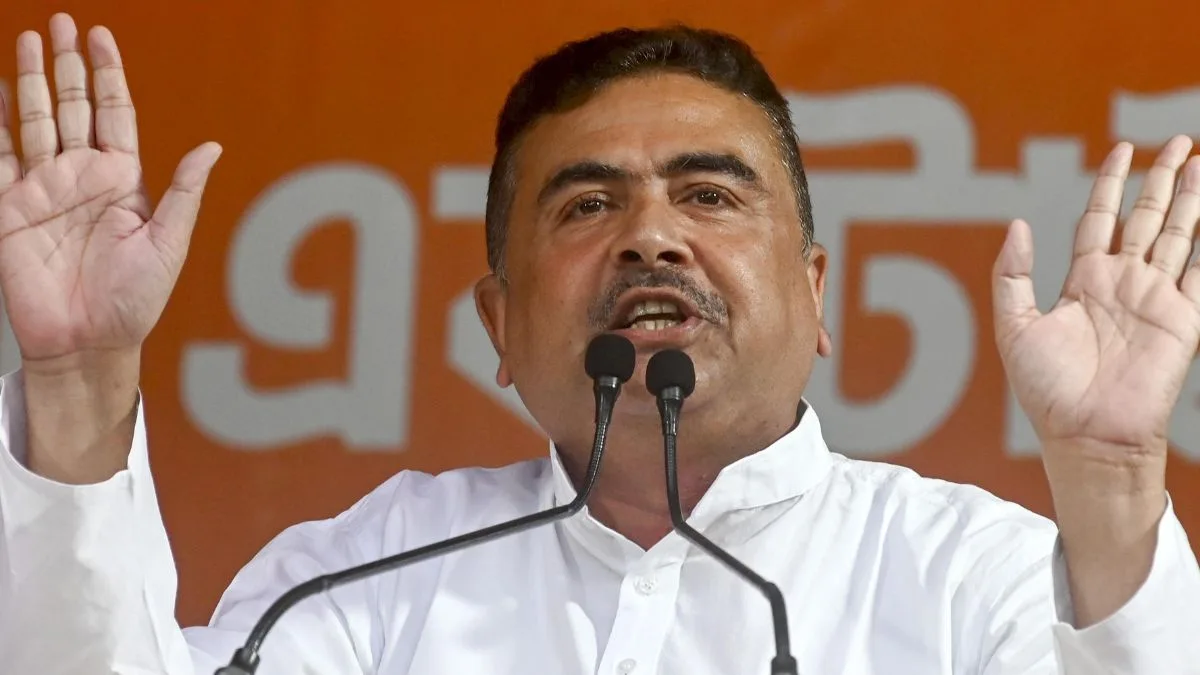
The Bharatiya Janata Party has governed West Bengal for about 100 days.
Its arrival has changed the state’s political mood.
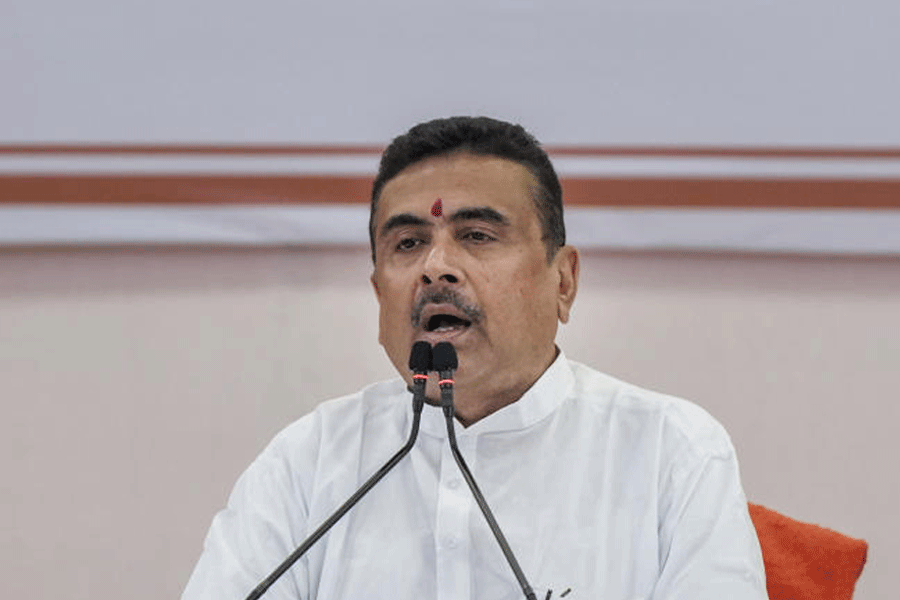
Chief Minister Suvendu Adhikari wants to promote nationalism and a different political culture.
The government has also made some decisions about border infrastructure and central programs.
It has announced industrial incentives and investment proposals.
However, announcements do not automatically create factories or jobs.
The state still faces weak industry, limited private investment, and young people leaving for work elsewhere.
The government will be judged by whether it can turn its political power into lasting economic improvement.

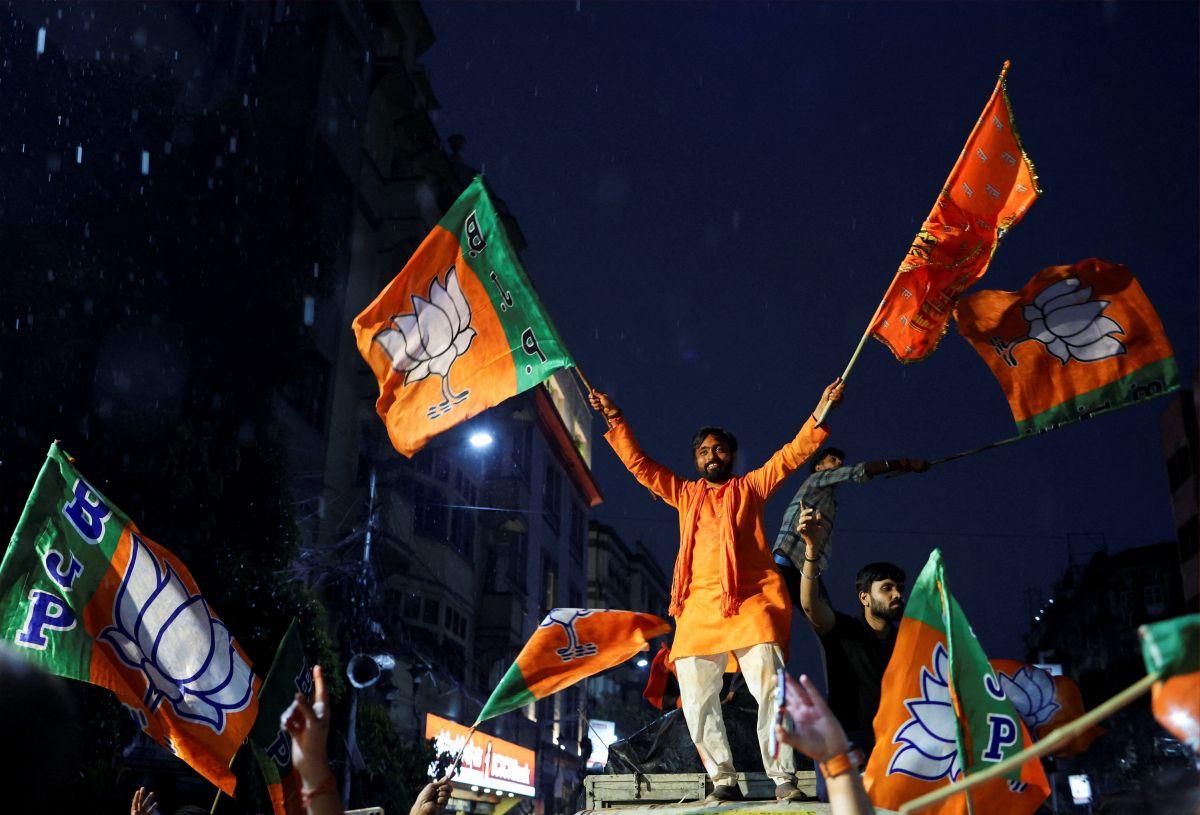
The BJP’s first 100 days in West Bengal have visibly changed the state’s political atmosphere.
Chief Minister Suvendu Adhikari is promoting nationalism and challenging what he calls a culture of intimidation.
The government has transferred land for border infrastructure and worked to reconnect Bengal with central schemes.
Industrial incentives and investment proposals signal attention to Bengal’s economic decline, but have not yet created factories or jobs.
The administration’s long-term success will depend on attracting investment and enabling young Bengalis to build their futures at home.
- Who
- The Bharatiya Janata Party government of West Bengal, led by Chief Minister Suvendu Adhikari.
- What
- The government’s first 100 days have brought political and ideological changes alongside early administrative and economic initiatives.
- Where
- West Bengal, including institutions such as Jadavpur University and the state’s border areas.
- When
- During the government’s first 100 days and early months in office.
- Why
- The administration aims to replace the previous political order, change Bengal’s political vocabulary, unblock stalled decisions, and promote economic renewal.
Supporters of Regime Change
Critics and Skeptics
Political transformation
Supporters of Regime Change
The BJP’s electoral victory has created an opportunity to replace the old political order and introduce a new language centered on nationalism and opposition to intimidation.
Critics and Skeptics
Changing symbols and asserting ideological control, particularly in institutions such as Jadavpur University, may create unnecessary confrontation and fail to accommodate dissent.
Early achievements
Supporters of Regime Change
The government has shown that a change in power can unblock stalled decisions, including land transfers for border infrastructure and efforts to reconnect with central schemes.
Critics and Skeptics
These early administrative actions do not by themselves demonstrate successful governance, and the administration’s larger promises remain works in progress.
Economic revival
Supporters of Regime Change
Industrial incentives and investment proposals indicate that the government recognizes Bengal’s economic problems and is beginning to address them.
Critics and Skeptics
Investment announcements and memoranda are not equivalent to factories or jobs; success will require consistent administration and measurable opportunities for young Bengalis.
Key facts
- Government
- The Bharatiya Janata Party now governs West Bengal.
- Chief minister
- Suvendu Adhikari
- Assessment period
- The government’s first 100 days in power
- Political shift
- The BJP has moved from the margins of Bengal politics to governing the state.
- Administrative actions
- Land was transferred for border infrastructure, and efforts were made to reconnect Bengal with central schemes.
- Economic initiatives
- The government has introduced industrial incentives and announced investment proposals.
- Continuing challenges
- Bengal continues to face industrial decline, inadequate private investment, and the migration of employable young people.
Sources
Related news
Bengal BJP Government Marks 100 Days, Sets Six Goals
Adhikari Pledges Economic Transformation Through West Bengal’s Double-Engine Government
West Bengal Finance Minister Warns of Decades-Long Economic Decline
BJP Booklet on Bengal Government Faces Fact-Check

Suvendu Pledges to Rebuild Bengal Through Investment and Defence
West Bengal BJP Says 43% of Poll Promises Fulfilled

Kolkata Janmashtami Committee Shift Sparks Religious Harmony Debate

Derek O’Brien Appears Before Kolkata Police Over Billboard Clash

North Dinajpur TMC Leader Arrested; Missing Balurghat Boys Rescued

Abhishek Banerjee Questioned Five Hours in Billboard Scuffle Case