

1 week ago
Telangana Justice System Urged to Deepen Digital Coordination
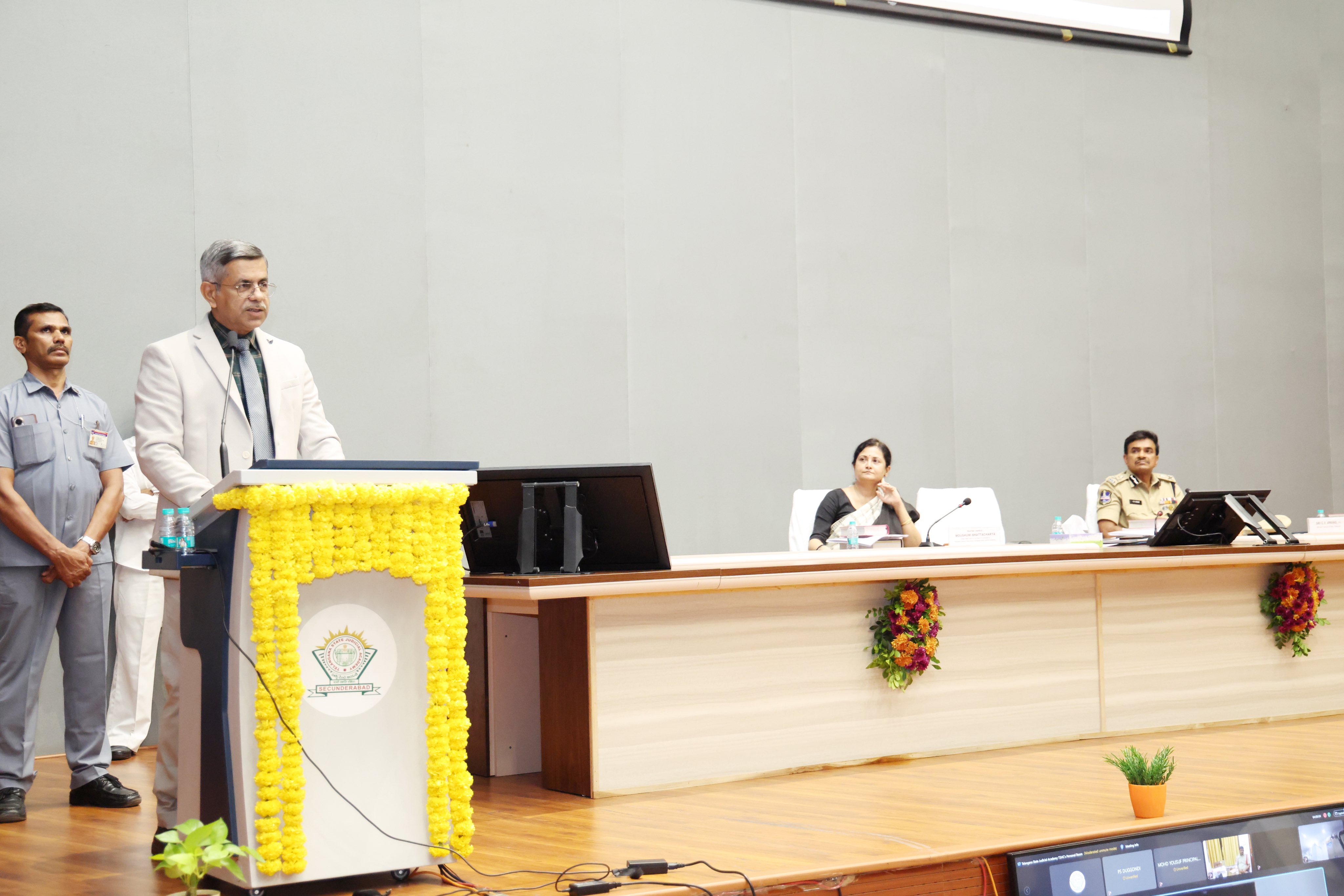
A conference in Telangana discussed how new criminal laws should work with digital technology.
The Chief Justice said courts, police, prosecutors, prisons and forensic teams must work closely together.
A criminal case passes through many stages, so every group needs to do its part correctly.
Officials said digital records and evidence can make the justice system faster and clearer.
They also warned that wrong data, repeated entries and missing information can create delays.
The technology should make work easier instead of adding more work.
The conference included about 1,200 officials and judicial officers.
Participants discussed online records, electronic summons, video evidence and forensic systems.
The police also suggested regular meetings to check how the new laws are being implemented.

Telangana High Court Chief Justice Aparesh Kumar Singh called for sustained coordination among justice-system institutions to implement BNS, BNSS and BSA digitally.
The conference brought together about 1,200 judicial, police, prosecution, prison, forensic and health officials in hybrid mode.
Speakers said technology should simplify workflows, while inaccurate coding, duplicate data entry and incomplete information can cause delays.
DGP C.V. Anand described the new laws as a shift toward citizen-centric justice, scientific investigation, digital evidence and time-bound procedures.
The DGP asked the judiciary to consider a monthly review mechanism chaired by a Telangana High Court judge.
- Who
- Telangana High Court Chief Justice Aparesh Kumar Singh, judicial officers and officials from the police, prosecution, prisons, forensic and health departments participated.
- What
- A conference examined digital implementation of the new criminal laws—BNS, BNSS and BSA—and ways to improve coordination across the criminal justice system.
- Where
- It was conducted in hybrid mode by the Telangana State Judicial Academy in collaboration with the Telangana police.
- When
- The conference was held on Thursday.
- Why
- The meeting aimed to identify bottlenecks, improve digital workflows and support a fairer, more efficient, accessible and responsive justice system.
Key facts
- Organisers
- Telangana State Judicial Academy and the Telangana police
- Attendance
- Around 1,200 judicial officers and officials attended
- Format
- Hybrid mode
- Main focus
- Digital implementation of BNS, BNSS and BSA
- Technical topics
- ICJS, e-Sakshya, online FIRs and charge sheets, e-Summons, video-conference evidence and forensic interfaces
- Proposed mechanism
- Monthly implementation reviews chaired by a Telangana High Court judge
- Reported workflow problems
- Duplicate data entry, incomplete information and incorrect coding were cited as causes of delays
Quotes
Justice Moushumi Bhattacharya
President, Telangana State Judicial Academy
““Justice is the collective achievement of institutions working in harmony; a criminal case begins with registration and moves through investigation, forensics, prosecution and adjudication, making every link important.””
 deccanchronicle.com
““Technology should simplify workflows rather than create additional layers of work. Duplicate data entry and incomplete information were causing avoidable delays in the criminal justice process.””
deccanchronicle.com
Director‑General of Police C.V. Anand
Police chief of Telangana
““They were not merely a replacement for the earlier statutes but represented a significant shift towards citizen‑centric justice, scientific investigation, digital evidence, electronic records and time‑bound procedures.””
deccanchronicle.com
Sources
Related news

Amit Shah Promotes Victim-Centric, Technology-Driven Criminal Laws

Amit Shah: New criminal laws built on technology, timeline, trust

Telangana Police Makes AI Priority Against Evolving Crime

Telangana CJ Urges Judiciary to Keep Last Man in Queue

New Bidhannagar Police Office Inaugurated Amid Criminal Justice Reform Push
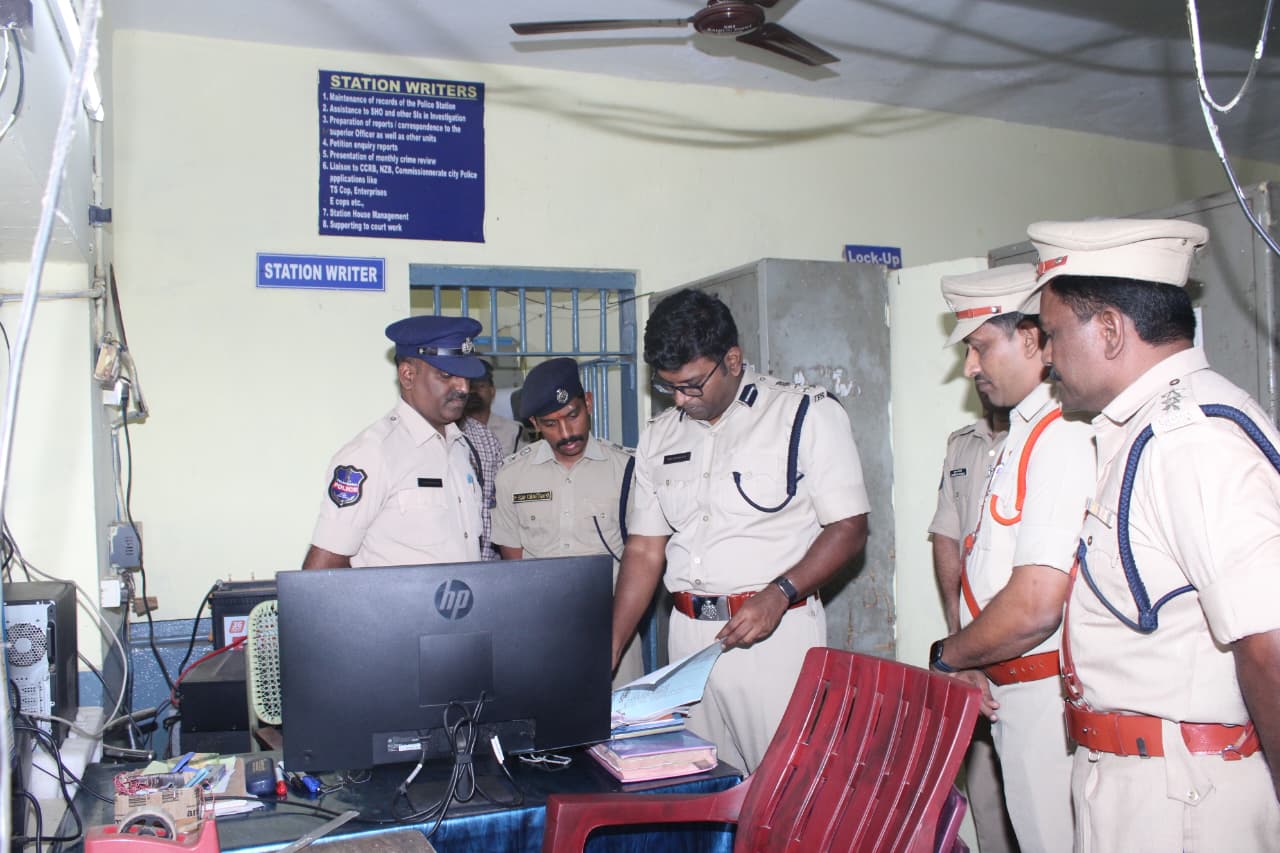
Telangana DIG Calls For Technology-Driven Police Investigations

Telangana High Court Lifts Stay on Marriage Assistance Schemes
Telangana High Court Advances Welfare Appeal, Delays Other Cases
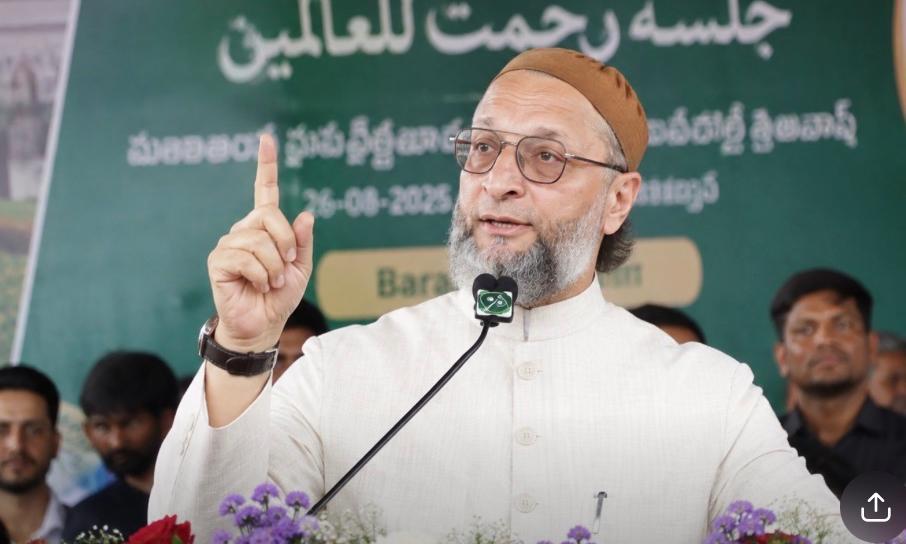
Owaisi Urges Youth to Avoid Drugs, Seeks Speedy Murder Trials
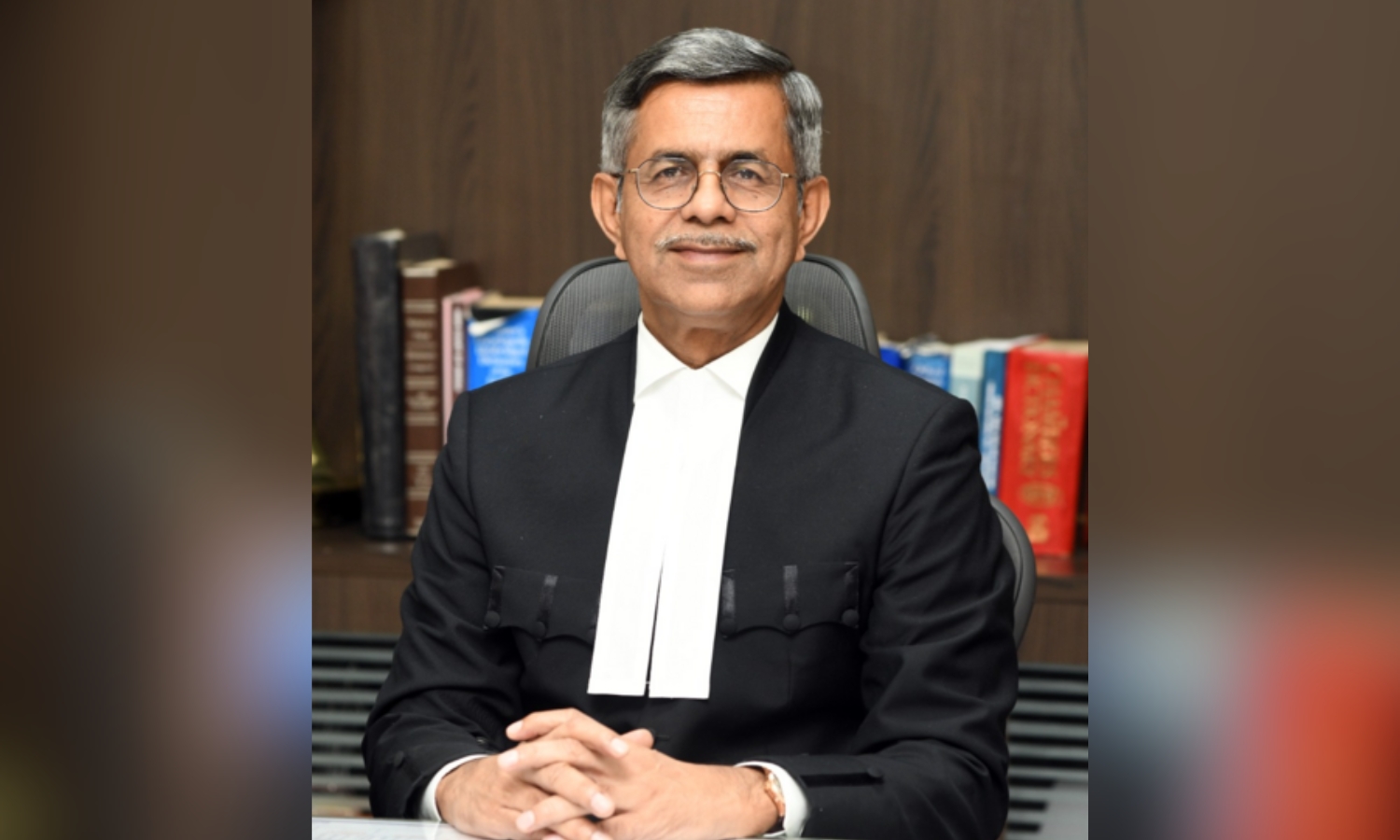
Chief Justice Urges Expert, Timely Resolution of Tech Disputes
Telangana High Court Reserves Verdict on Nagender Disqualification Petitions
