4 hrs ago
BRICS Energy Security Call Faces Test Amid West Asia War

BRICS countries agreed that energy supplies should remain safe and steady.
They also said important energy facilities and shipping routes should be protected.
This discussion happened during a continuing war in West Asia.
Several BRICS members, including Iran, Saudi Arabia, and the United Arab Emirates, are affected by the conflict in different ways.
Russia has also seen energy infrastructure damaged during its war with Ukraine.
The Strait of Hormuz, a major route for oil and gas, is carrying much less traffic than before.
This has made energy supplies tighter and pushed prices higher.
BRICS members have different sides and interests in the conflict, so they did not blame a particular country.
The declaration may provide a basis for cooperation, but the crisis will test whether BRICS can act together.

The New Delhi Declaration made energy security, stable markets, uninterrupted supplies, and critical infrastructure protection priorities for BRICS.
The declaration came as attacks and war damage affected energy infrastructure in Iran, Saudi Arabia, the United Arab Emirates, and Russia.
Vessel movements through the Strait of Hormuz have fallen sharply, disrupting a route that previously carried one-fifth of global crude oil and LNG flows.
Oil prices rose above $100 per barrel, with Brent closing at about $105 on Friday, according to the article.
BRICS avoided assigning blame for specific attacks, reflecting divisions among members with competing geopolitical and energy interests.
- Who
- BRICS member countries, including Iran, Saudi Arabia, the United Arab Emirates, China, India, and Russia.
- What
- BRICS adopted a declaration calling for energy security, stable markets, uninterrupted energy flows, and protection of critical infrastructure.
- Where
- At the BRICS Summit in New Delhi, amid disruptions in West Asia, the Strait of Hormuz, and the Bab el-Mandeb route.
- When
- The declaration was adopted on Saturday; the article says the West Asia war was in its seventh month.
- Why
- To address risks to global energy supplies, shipping, trade, supply chains, and energy infrastructure during the conflict.
Cooperation Potential
Implementation Doubts
Meaning of the declaration
Cooperation Potential
The declaration creates a shared basis for protecting infrastructure, maintaining energy flows, and supporting dialogue and diplomacy.
Implementation Doubts
The declaration may remain largely rhetorical because BRICS members are on different sides of the conflict and have competing strategic interests.
Approach to the conflict
Cooperation Potential
Members can cooperate around universally supported principles such as civilian protection, sovereignty, restraint, and uninterrupted trade.
Implementation Doubts
BRICS avoided naming countries or assigning blame, limiting the declaration’s ability to directly address attacks and shipping disruptions.
Key facts
- Declaration
- The New Delhi Declaration emphasized energy market stability, uninterrupted supplies, resilient value chains, and protection of critical energy infrastructure.
- Strait of Hormuz
- Before the war, it carried about one-fifth of global crude oil and liquefied natural gas flows.
- Oil price
- Brent futures closed at about $105 per barrel on Friday, the highest level since May, according to the article.
- Saudi pipeline
- Saudi Arabia temporarily shut its East-West oil pipeline after multiple attacks on Thursday.
- Conflict impact
- Energy infrastructure in Iran, Saudi Arabia, the United Arab Emirates, and Russia has been affected by attacks or war damage.
- BRICS divisions
- Members have differing positions and interests because Iran is a conflict party while Saudi Arabia and the United Arab Emirates are United States allies targeted by Tehran.
Quotes
BRICS New Delhi Declaration
Official declaration adopted at the 18th BRICS Summit.
“We recognize that energy security is a crucial foundation for social and economic development, national security and the welfare of all nations. We highlight the need to enhance energy security by ensuring energy market stability and maintaining undisrupted flows of energy from diverse sources, strengthening value chains, ensuring resilience and protection of critical energy infrastructure, including cross-border infrastructure.”
 indianexpress.com
“Furthermore, we urge to ensure the protection of civilians and civilian infrastructure in accordance with the purposes and principles of the Charter of the United Nations in their entirety and interconnectedness, including respect for the sovereignty and territorial integrity of the States.”
indianexpress.com
Sources
Related news
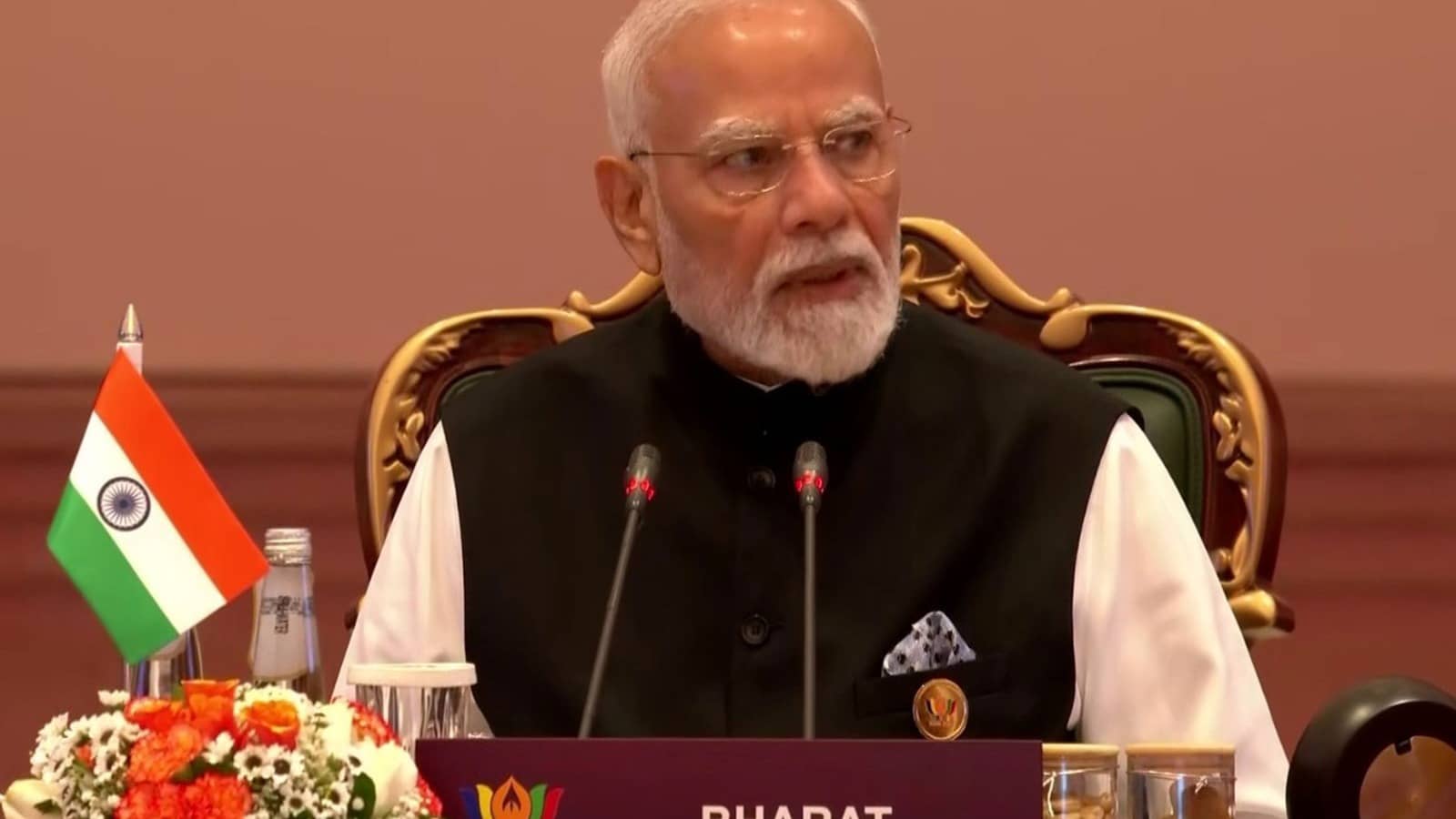
BRICS New Delhi Declaration Urges Restraint Amid West Asia Tensions

India Faces BRICS Test Amid US-Iran War Divisions

Modi, Pezeshkian Discuss West Asia and BRICS Cooperation

BRICS Sherpas Seek Consensus as West Asia War Deepens
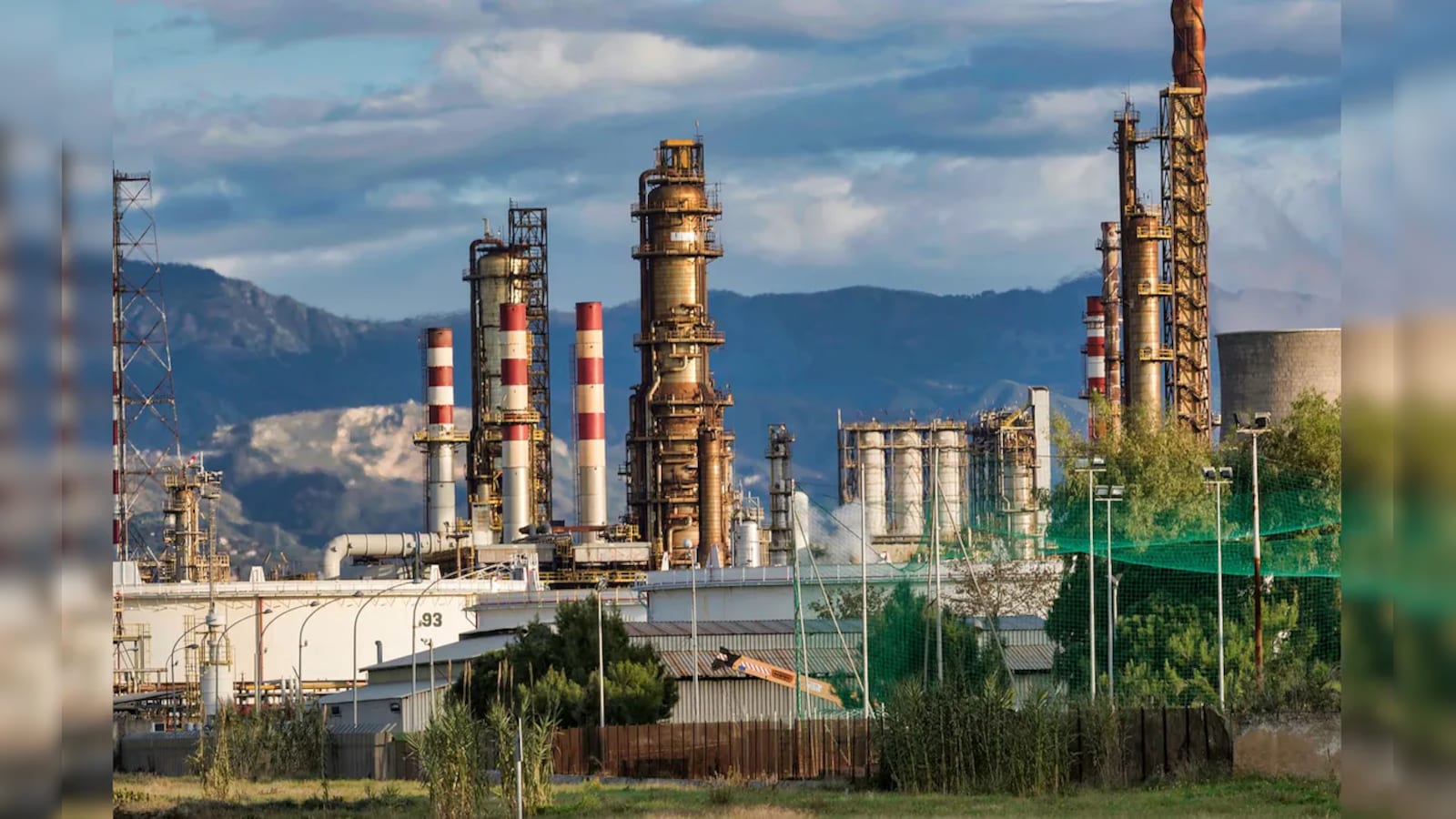
Why India Needs BRICS And QUAD For Energy Security

BRICS Adopts New Delhi Declaration Despite West Asia Divisions
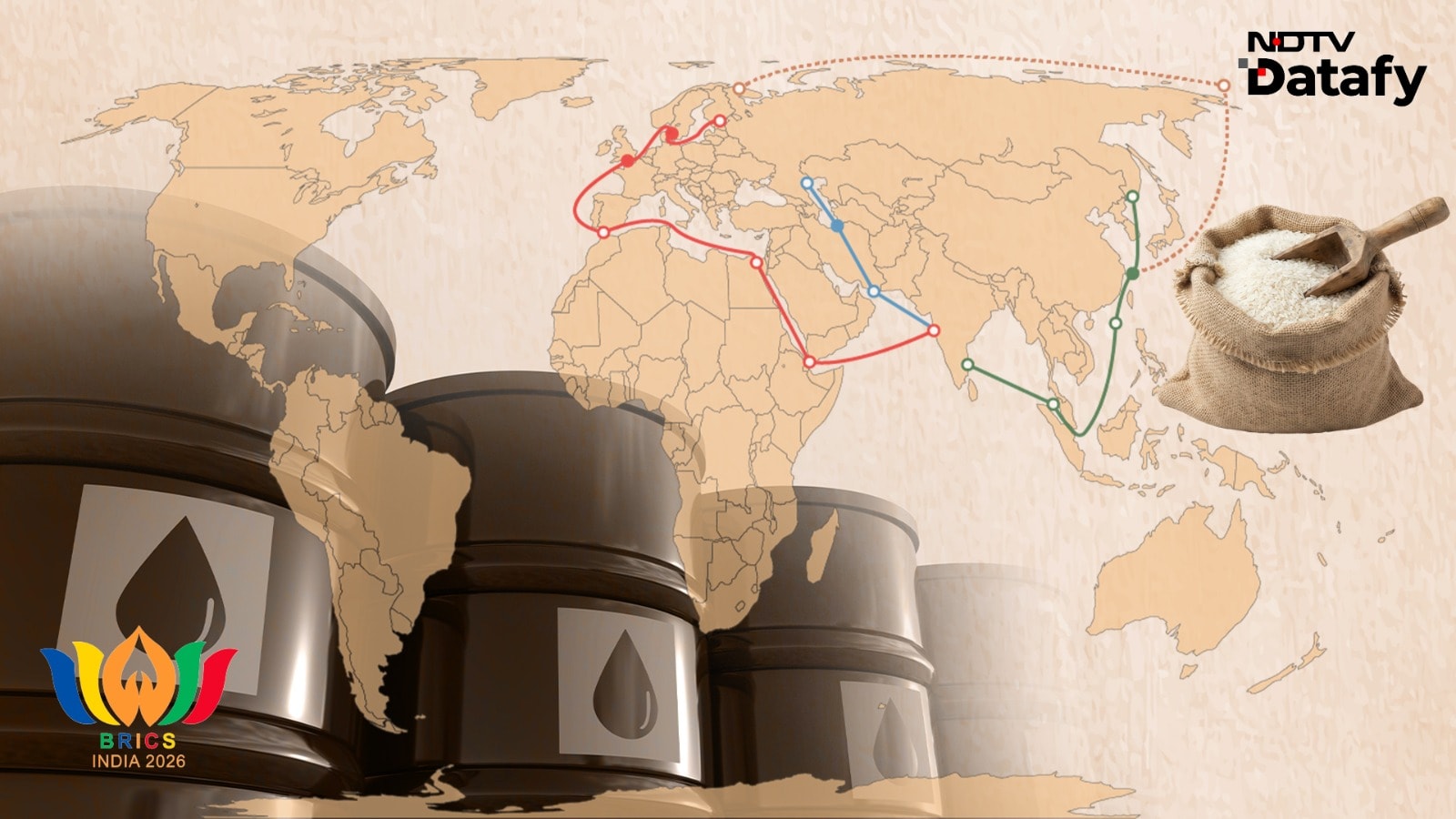
BRICS Seeks Self-Reliance Through Energy, Food and Rare Earths
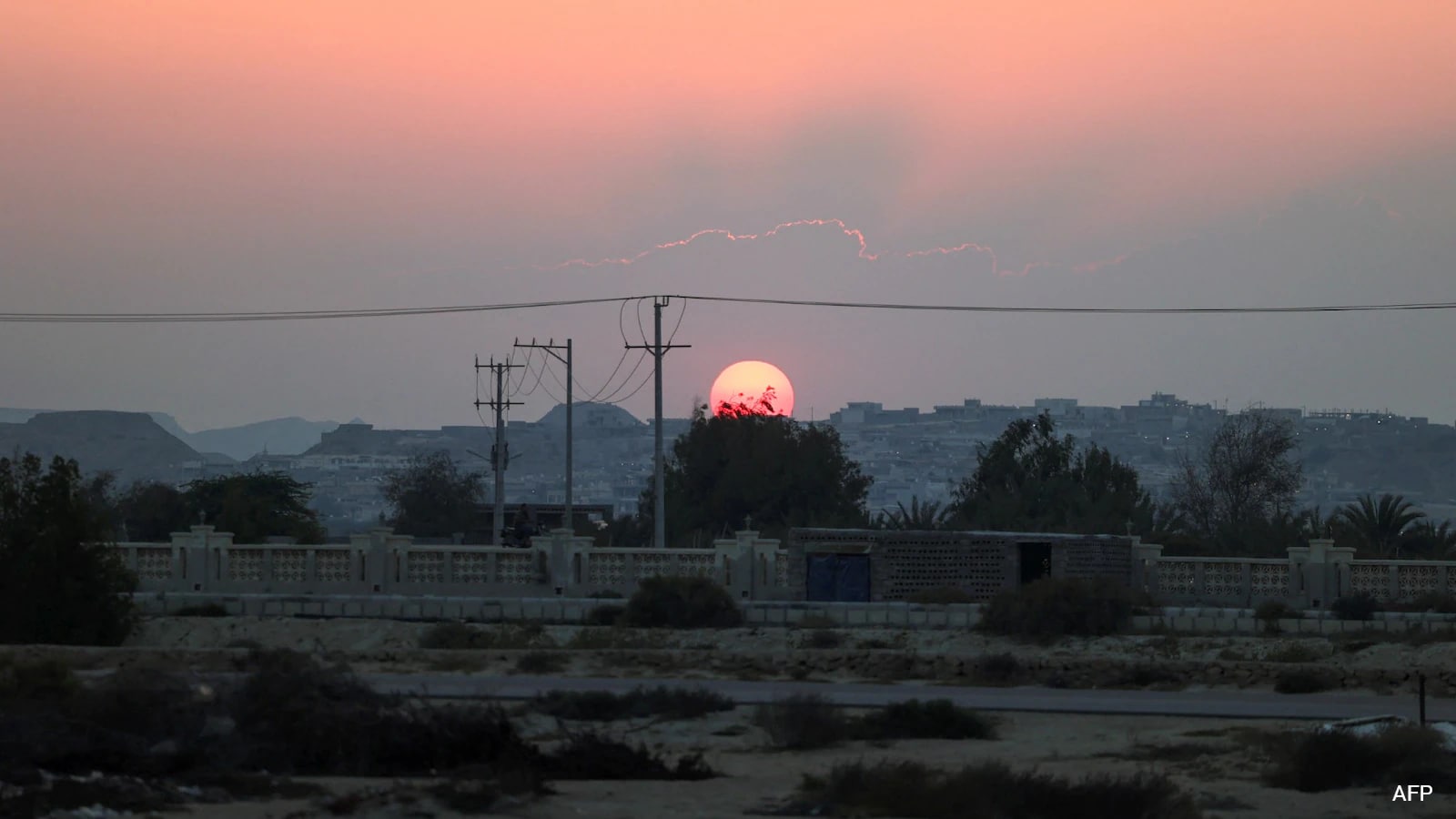
Two Explosions Reported Off Iran’s Qeshm Island Coast

Iran, Gulf States To Discuss Hormuz Shipping Routes In Oman

Houthi Advance Threatens Red Sea Shipping, Driving Saudi Oil Diversions