

3 weeks ago
Vande Mataram Gets New Legal Protection Against Disruption

In India, people often sing special songs to show love for their country.
One of those songs is called Vande Mataram.
It is the country's national song.
There is also a law that protects the national anthem.
Before, that law only protected the national anthem.
Now, after a change to the law, it also protects Vande Mataram.
If someone deliberately stops or disturbs the singing of Vande Mataram at a gathering, they can get in trouble.
They could be sent to prison for up to 3 years.
They could also be made to pay a fine, or both.
The article says this is something students should know about.

The law previously dealt with offenses involving the national anthem.
The amendment extended legal protection to the singing of Vande Mataram, the national song.
Deliberately stopping or disturbing the singing of Vande Mataram in an assembly is now an offense.
Offenders can face up to 3 years in prison, a fine, or both.
Legal action applies when the song is deliberately disrupted while it is being sung in an assembly.
- Who
- Anyone who deliberately stops or disturbs the singing of Vande Mataram in an assembly can face legal action of up to 3 years in prison, a fine, or both.
- What
- The law, which previously covered offenses involving the national anthem, was amended to extend its protection to the singing of Vande Mataram.
- Where
- Not specified in the articles; the law concerns assemblies where the national song is being sung.
- When
- Not specified in the articles; described only as a change made through an amendment.
- Why
- To give the national song, Vande Mataram, legal protection similar to that of the national anthem against deliberate disruption during its singing.
Key facts
- National song
- Vande Mataram
- Previous scope of law
- Offenses involving the national anthem
- New scope after amendment
- Protection extended to the singing of Vande Mataram
- Prohibited act
- Deliberately stopping or disturbing the singing of Vande Mataram in an assembly
- Maximum punishment
- Up to 3 years in prison, a fine, or both
- Target audience of article
- Students (presented as 7 things students should know)
Sources
Related news

President Murmu Assents to Law Criminalising Insult to Vande Mataram

President Signs Law Penalising Obstruction of Vande Mataram Singing

Vande Mataram Row: Sonia Gandhi Faces Complaints After Independence Day

Tharoor Questions Mandatory Full Vande Mataram Rendition at Official Functions

'Vande Mataram' First Played at Red Fort During Independence Day

Why Jana Gana Mana and Vande Mataram Can Coexist

Bhopal Sets Three Records For Vande Mataram Anniversary

Readers Debate AI Content Rights and National Identity

Mohan Yadav Accuses Congress of Vande Mataram Appeasement
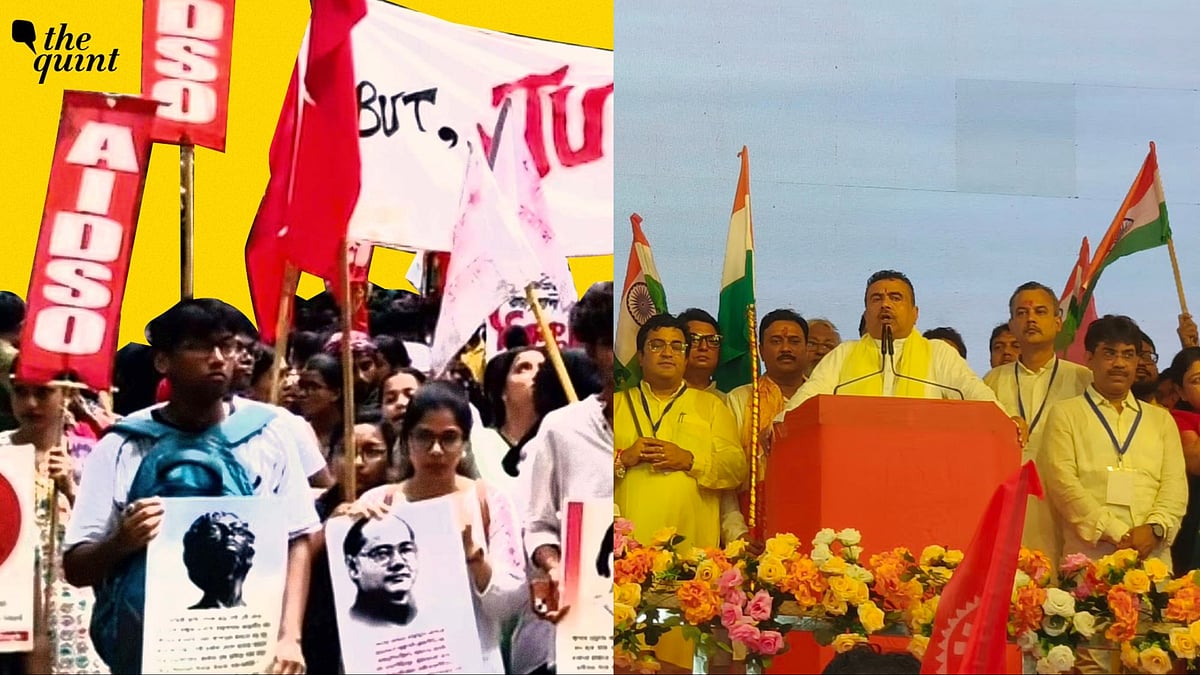
Suvendu Adhikari Speech Outside JU Sparks Questions Over Dissent
