3 weeks ago
Pakistan's growing SH-15 howitzer fleet sharpens India's artillery challenge
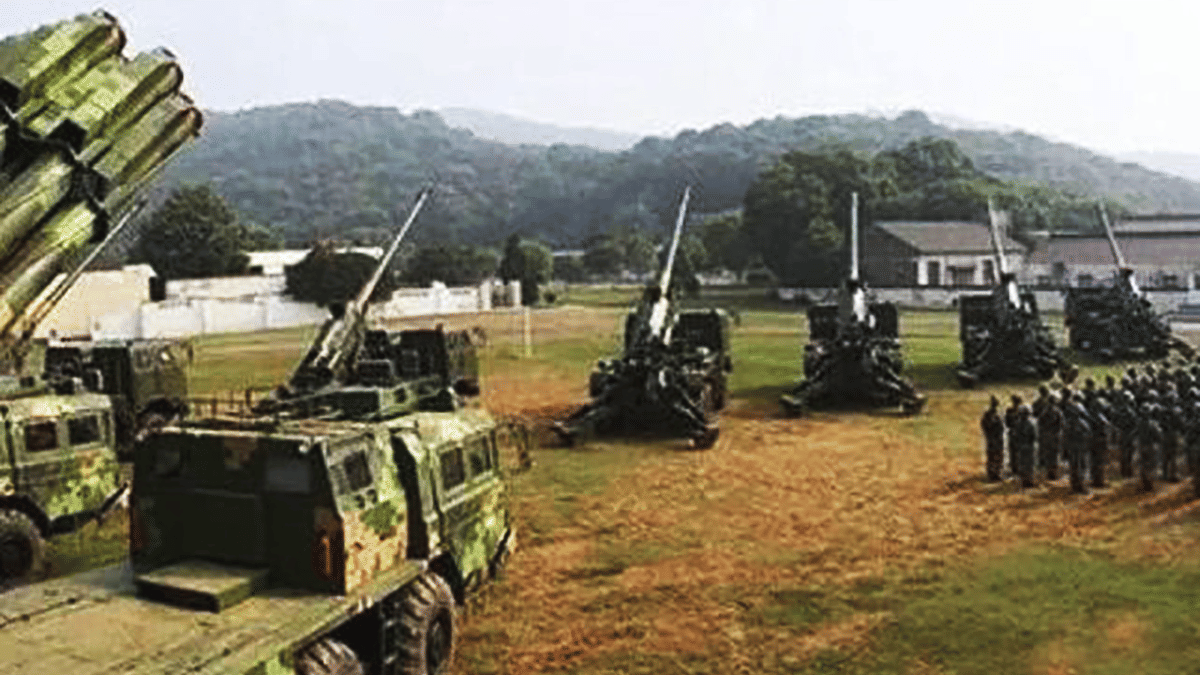
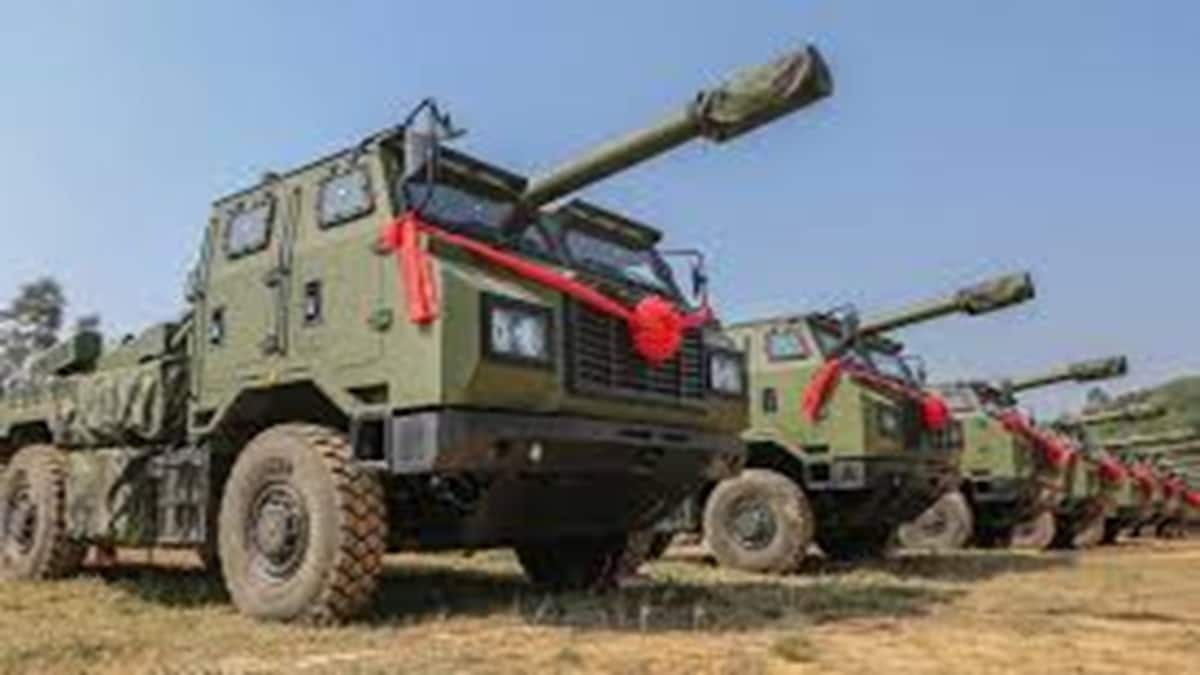
Pakistan is buying a lot of big cannons from China called SH-15 howitzers.
A howitzer is a giant gun that shoots big shells very far, like 40 kilometres.
These cannons sit on the back of trucks, so they can move quickly.
That means they can fire and drive away fast, which is called 'shoot and scoot.'
Soldiers call this important because enemy radars can find guns after they shoot.
Pakistan already has more than 200 of these cannons and wants more than 500.
India still uses many older cannons that must be pulled by other trucks.
India is now building some new cannons of its own, called ATAGS.
The war in Ukraine shows that cannons work best together with drones.
So India is also practising using drones to help aim and protect its guns.

Pakistan reportedly plans to acquire more than 500 Chinese SH-15 truck-mounted howitzers, with over 200 already inducted into its army.
The 155mm/52-calibre SH-15 has a 40 km range and offers a 'shoot and scoot' capability to evade counter-battery fire.
Pakistan ordered 236 SH-15 units in 2019, with deliveries beginning in 2022, and China has transferred assembly technology to Heavy Industries Taxila.
India's artillery remains an uneven mix of towed guns including Bofors FH-77B, M-46 and M777, with the 1999 Field Artillery Rationalisation Plan still unfinished.
In March 2025, India's Ministry of Defence contracted Bharat Forge and Tata Advanced Systems for 307 ATAGS guns worth Rs 6,900 crore amid debate over drones versus artillery.
- Who
- Pakistan's army, India's Regiment of Artillery, and China as the manufacturer; the analysis is by Swasti Rao, Consulting Editor at ThePrint.
- What
- Pakistan is reportedly more than doubling its purchase of China's SH-15 truck-mounted howitzers to more than 500 units, deepening the firepower gap with India's largely towed artillery.
- Where
- The India-Pakistan and India-China border fronts; SH-15 assembly in Pakistan at Heavy Industries Taxila; Ukraine's war provides the operational lessons cited in the analysis.
- When
- Pakistan ordered 236 SH-15s in 2019, with deliveries beginning in 2022; the latest reports of plans for more than 500 units and India's March 2025 ATAGS contract are the most recent developments.
- Why
- The SH-15's 40 km range and truck-mounted mobility enable 'shoot and scoot' to evade counter-battery fire, and Pakistan can also locally assemble the gun, intensifying pressure on India to modernise its artillery.
Drones can make up the shortfall
Artillery remains essential
Drones vs. traditional artillery
Drones can make up the shortfall
India need not replicate Pakistan or China gun for gun; drones can perform target acquisition and direct attack, shortening the sensor-to-shooter chain and providing a cheaper way to hit individual targets.
Artillery remains essential
Drones are vulnerable to jamming, weather and rapid attrition, carry much smaller payloads, and cannot reproduce the sustained, all-weather suppression delivered by a 155mm battery; the lesson from Ukraine is optimal fusion of the two.
Need for mounted guns
Drones can make up the shortfall
Discussions in Indian circles focus on India's lack of a mounted gun despite domestic manufacturing capabilities; shoot-and-scoot mobility is critical in counter-battery environments.
Artillery remains essential
Mounted artillery is not a magic wand; trucks offer less crew protection than tracked guns and must be combined with dispersion, camouflage, electronic warfare and counter-drone protection.
Key facts
- Weapon
- SH-15 truck-mounted howitzer (PCL-181 in China)
- Calibre
- 155mm/52-calibre, roughly 8.06 m barrel
- Range
- 40 km
- Pakistan order (2019)
- 236 units
- Deliveries
- Began 2022; over 200 inducted so far
- Planned fleet
- More than 500 units, around 12 regiments of 18 guns
- Technology transfer
- Assembly possible at Heavy Industries Taxila
- India ATAGS contract (March 2025)
- Rs 6,900 crore for 307 guns from Bharat Forge and Tata Advanced Systems
Sources
Related news
Pakistan's China-backed western build-up, Saudi-Turkey pact, India's air shield
India Expands Defence Capabilities Amid Pakistan Unrest and Regional Shifts
India Expands Defence Self-Reliance as Regional Security Ties Deepen
Defence Ministry signs record Rs 1,577 crore loitering munition contracts

Ageing US-Supplied F-16s Struggled Against India During Operation Sindoor
Pakistan Deploys Chinese SH-15 Artillery Near India Border