3 days ago
CGHS Workers’ Case Challenges Government Outsourcing and Contractor Practices

A group of 267 workers has worked at government health facilities since 2006.
They were hired through different contractors, but their jobs and supervisors stayed largely the same.
The workers say CGHS selected, transferred and supervised them directly.
A Labour Court decided that CGHS was really their employer.
It ordered that they be treated like regular government employees and receive related benefits.
The Delhi High Court agreed that they were CGHS employees.
However, it limited their financial benefits to the period after August 23, 2019.
The workers are now asking the Supreme Court to restore benefits from the beginning of their employment.

A dispute involving 267 CGHS workers has reached the Supreme Court over their employment status and financial benefits.
The workers say they performed the same jobs continuously from 2006 despite repeated changes in contractors.
The Labour Court found that CGHS exercised direct control and that the outsourcing contracts were a “sham and camouflage.”
The Delhi High Court upheld the finding that the workers were CGHS employees and ordered their regularisation.
A High Court division bench limited monetary benefits to the period after August 23, 2019, prompting the workers’ Supreme Court challenge.
- Who
- The 267 Data Entry Operators and Operation Managers, CGHS, the contractors, and NICSI are involved; the workers are represented by lawyer Rajiv Agarwal.
- What
- The workers are challenging the Delhi High Court’s restriction of their monetary benefits after courts found that CGHS was their direct employer.
- Where
- The workers were deployed at Central Government Health Scheme establishments, and the case has proceeded through the Labour Court, Delhi High Court and Supreme Court.
- When
- The workers say they have served since 2006; the Labour Court issued its award on August 23, 2019, the High Court division bench ruled in December 2025, and the case was published on September 18, 2026.
- Why
- The workers seek wages and consequential benefits from their initial engagement rather than only from August 23, 2019.
Workers’ Position
CGHS’s Challenge
Who was the real employer?
Workers’ Position
The workers argue that CGHS was their principal employer because it selected, supervised, transferred and disciplined them, while contractors changed repeatedly.
CGHS’s Challenge
CGHS challenged the finding that the workers were directly employed by the department; the articles do not state a detailed public explanation of its position.
Financial benefits
Workers’ Position
The workers seek wages and consequential benefits from their initial engagement, beginning in 2006.
CGHS’s Challenge
The High Court division bench retained regularisation but restricted monetary benefits to the period beginning August 23, 2019.
Use of contractors
Workers’ Position
The workers’ lawyer says repeated contractor changes can allow the government to avoid labour-law obligations and keep employment terms irregular.
CGHS’s Challenge
CGHS relied on NICSI as an intermediary or vendor between the department and outsourced manpower, according to the case record.
Key facts
- Workers involved
- 267 CGHS workers
- Employment period
- Since 2006
- Job roles
- Data Entry Operators and Operation Managers
- Contractor changes
- Approximately 12 vendors changed between 2006 and 2014
- Labour Court finding
- The contracts were a “sham and camouflage,” and an employer-employee relationship existed between CGHS and the workers
- High Court ruling
- The workers were recognised as CGHS employees and directed to be regularised, but monetary benefits were limited
- Disputed benefits date
- The High Court division bench limited financial relief to the period beginning August 23, 2019
Quotes
Rajiv Agarwal
Labour lawyer and counsel representing the CGHS workers
“We have seen multiple cases where the government uses a layer of contractors to circumvent labour laws, including the contract law, to keep the employment terms ad-hoc and irregular. It is the principal employer but avoids shouldering any liability. This is one such case where the workers were employed for two decades by the CGHS. The contractors changed multiple times and the principal employer — who was the supervisory and the disciplinary authority and paid salary — was the CGHS. The courts�a”
 thehindubusinessline.com
The Labour Court
Court that adjudicated the workers’ employment dispute
“It is evident that most of the claimants/workers, have been working with the management continuously and uninterruptedly since 2006, as Data Entry Operators/and/or Operation Managers, the nature of which is considered to be perennial... It emerges that the management has adopted an unfair labour practice in depriving the workmen herein of the status and benefits of permanent workment and such a practice is required to be curbed”
thehindubusinessline.com
Sources
Related news
Officials Resist Mandatory Aadhaar Linkage for CGHS Benefits

Centre Removes Location-Based CGHS Eligibility Restrictions for Employees
Bombay High Court Orders VVMC To Regularise Long-Serving Contract Staff
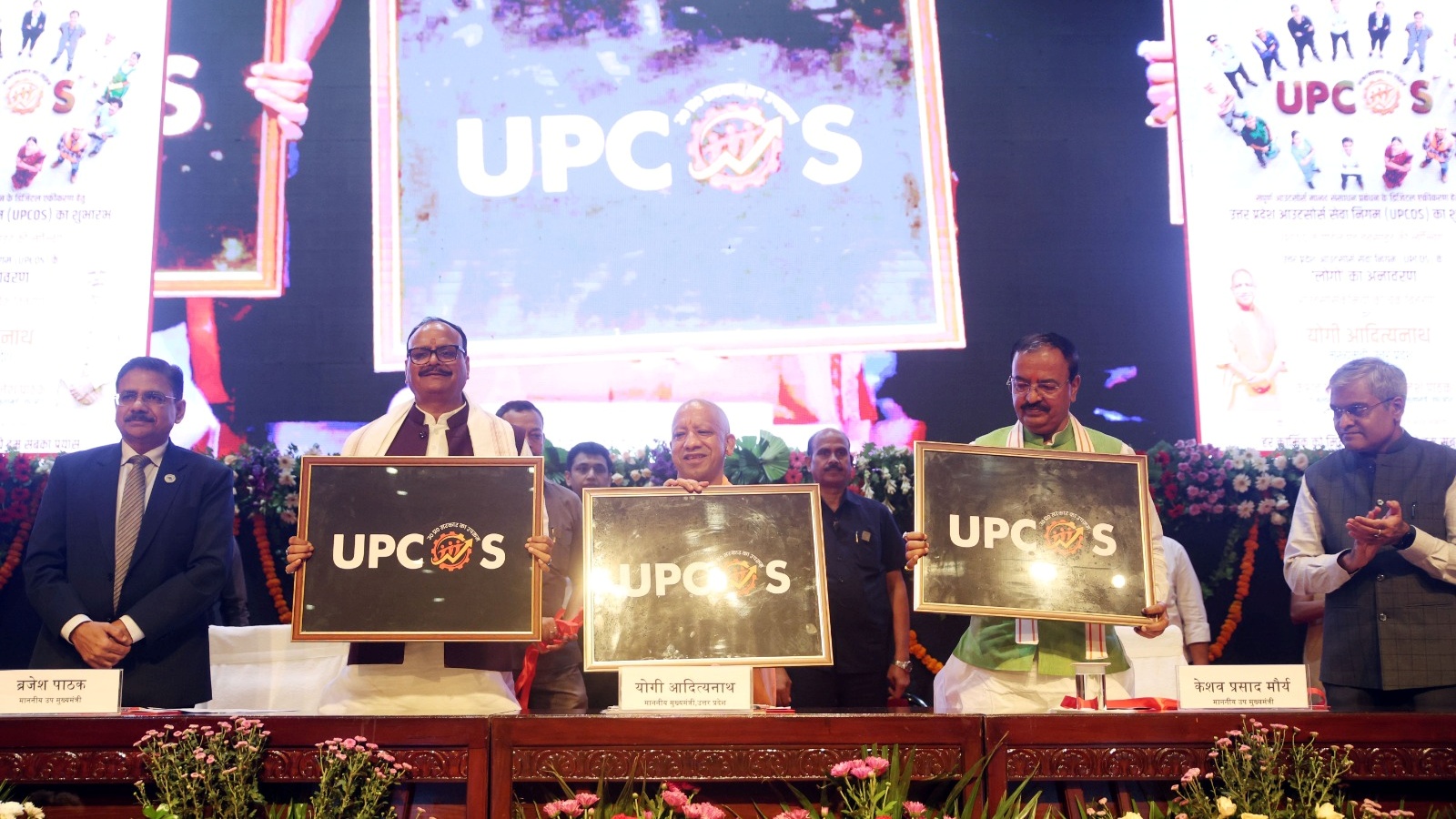
Uttar Pradesh Launches Outsourcing Corporation With New Worker Protections
High Court Orders Haryana Board to Regularise Daily-Wage Worker

2026 CGHS Rules Remove Geographic Limits for Government Employees
Telangana Plans 25 Wellness Centres, More Hospital Scanners