1 hr ago
India Stays During Netanyahu UN Speech Amid Diplomatic Walkout
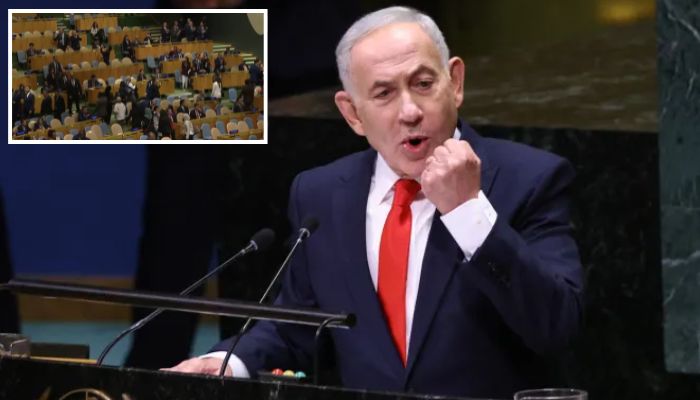
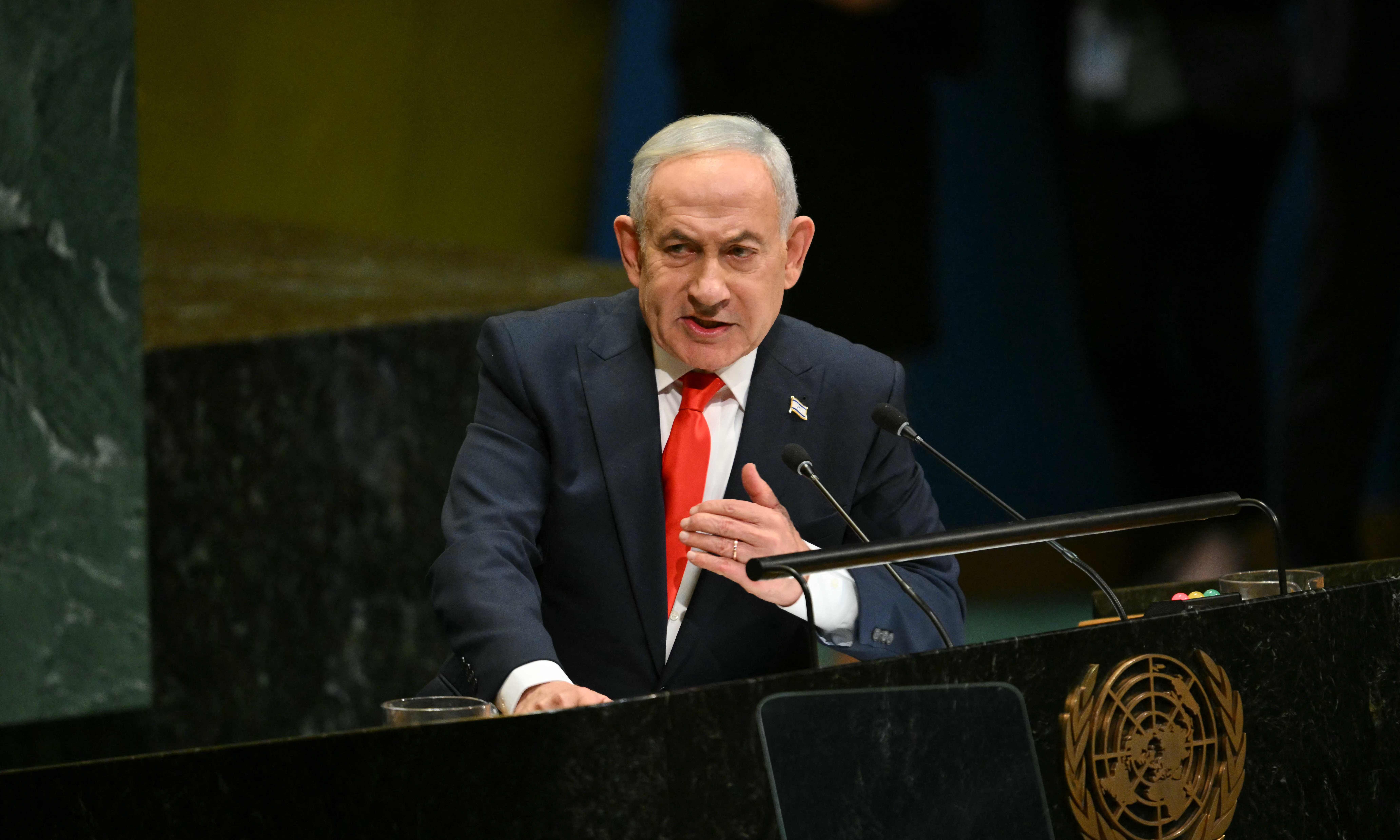
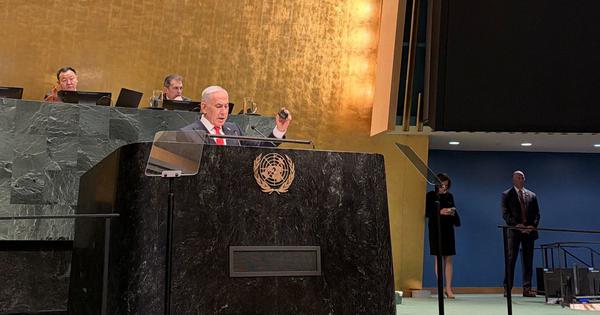
Many diplomats left the United Nations hall when Benjamin Netanyahu began his speech.
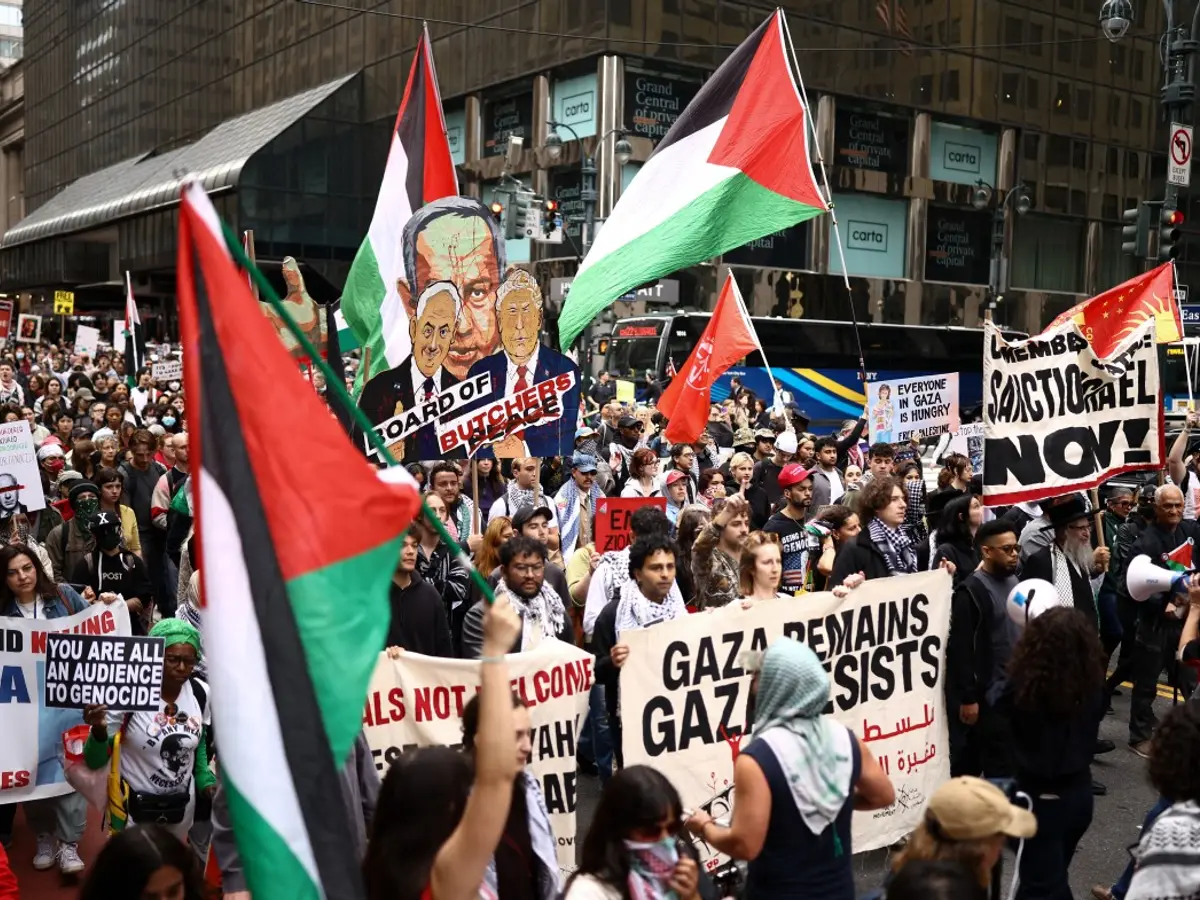
They were protesting Israel’s actions in Gaza and its wider policies.
India did not leave and listened to the speech.
Some people criticized India for staying.
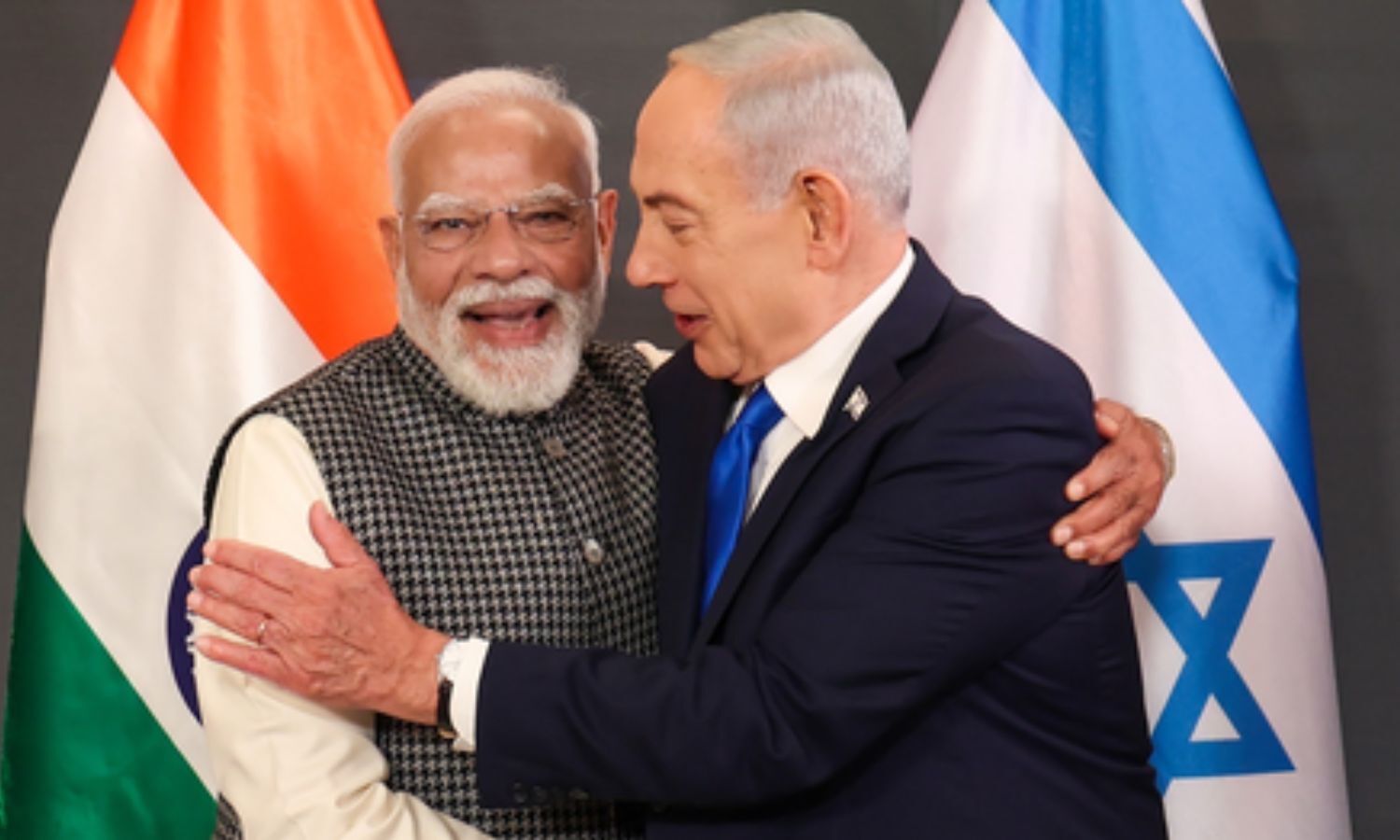
The article says India wants to maintain its important relationship with Israel.
It also says India still supports a Palestinian state and humanitarian help for Palestinians.
India has bought and jointly developed defence equipment with Israel.
The government’s approach is described as balancing humanitarian concerns with national security and foreign-policy interests.

Around 77 delegations reportedly left the UN chamber as Israeli Prime Minister Benjamin Netanyahu began speaking, though no complete official list was released.
India remained in the chamber, prompting criticism from pro-Palestinian and left-leaning commentators on social media.
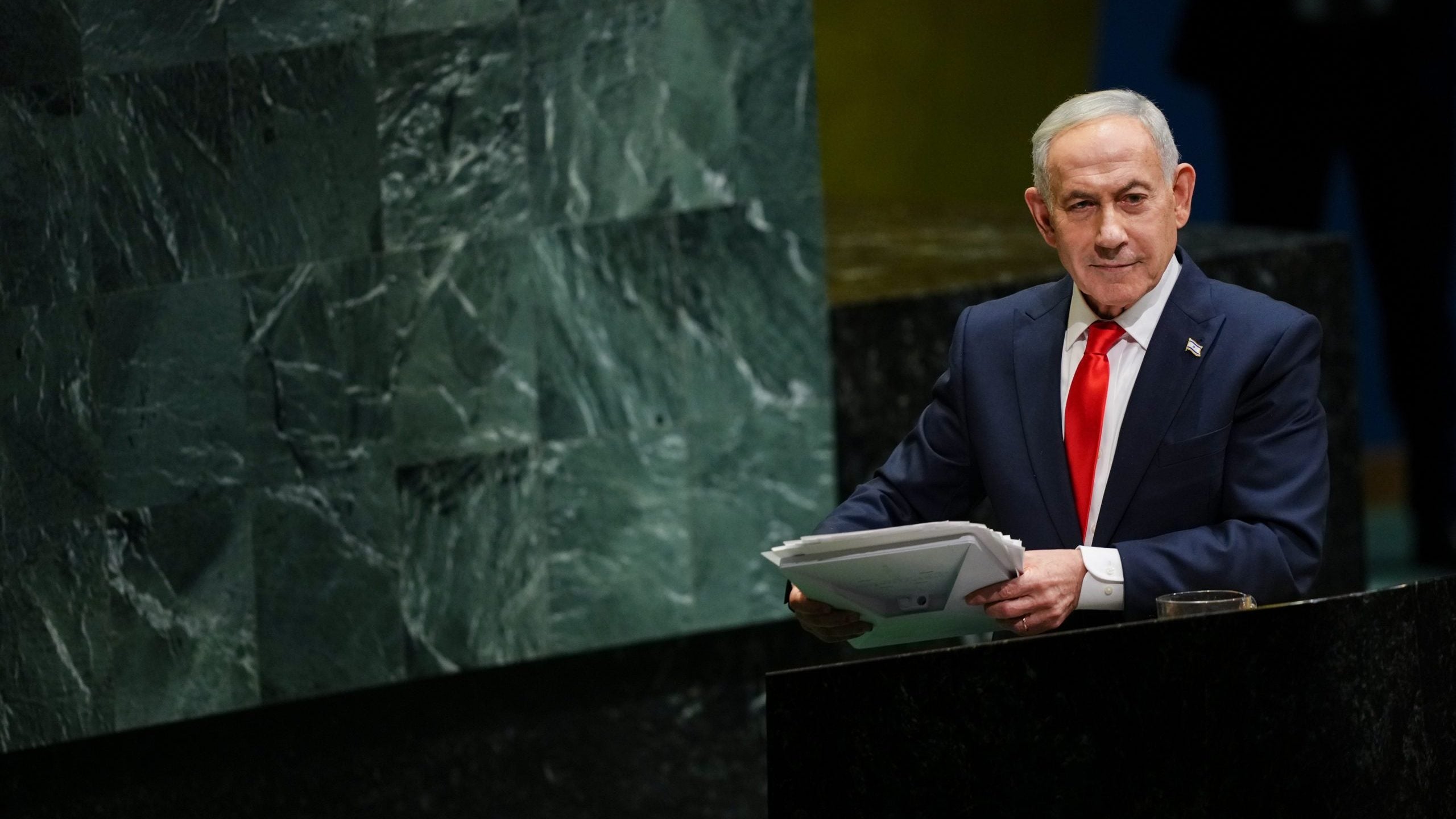
Netanyahu defended Israel’s military actions in Gaza and against Iran, rejecting allegations that Israel was committing genocide.
The article says India’s position reflects its strategic partnership with Israel while maintaining support for Palestinian statehood, humanitarian aid and a two-state solution.
India’s ties with Israel include defence, technology, trade and counter-terrorism cooperation, while New Delhi also supports ceasefires, hostage releases and aid for Palestinians.
- Who
- Israeli Prime Minister Benjamin Netanyahu, India, and delegations from several countries were central to the episode.
- What
- Several delegations reportedly walked out of Netanyahu’s United Nations General Assembly speech, while India remained in the chamber.
- Where
- The event occurred at the United Nations in New York.
- When
- The speech took place on Thursday, September 24, during the 81st session of the United Nations General Assembly.
- Why
- The walkout was organized as a protest against Netanyahu and Israel’s actions; India stayed because the article describes its policy as balancing strategic ties with Israel and support for Palestine.
Critics of India’s Decision
Supporters of India’s Decision
Remaining during the speech
Critics of India’s Decision
Pro-Palestinian and left-leaning commentators argued that India should have joined the walkout to protest Netanyahu and Israel’s conduct in Gaza.
Supporters of India’s Decision
Supporters argued that staying in the chamber reflected diplomatic engagement and India’s national-security and strategic interests.
Relationship with Israel
Critics of India’s Decision
Critics viewed continued engagement with Netanyahu’s government as inconsistent with opposition to civilian suffering and alleged Israeli violations in Gaza.
Supporters of India’s Decision
The article emphasizes Israel’s role as a defence and technology partner, including cooperation relevant to India’s security needs.
Balancing Israel and Palestine
Critics of India’s Decision
Critics questioned whether India’s close relationship with Israel undermines its support for Palestinians.
Supporters of India’s Decision
The article says India can maintain ties with Israel while supporting Palestinian statehood, humanitarian aid, UN participation and a two-state settlement.
Key facts
- Reported walkout
- Reports put the number of departing delegations at around 77, but no complete official list was publicly established.
- India’s position
- India did not join the coordinated walkout and remained present during Netanyahu’s address.
- Netanyahu’s claims
- He defended Israel’s actions in Gaza and against Iran, rejected genocide allegations and described the accusation as the “biggest lie of the century.”
- India-Israel relations
- Full diplomatic relations began in 1992, with cooperation expanding in defence, technology, agriculture, cybersecurity and trade.
- Trade figure
- The article says bilateral trade increased from USD 200 million in 1992 to more than USD 6 billion by 2024.
- Palestinian policy
- India supports a sovereign Palestinian state, a two-state solution, humanitarian assistance, a ceasefire and the release of hostages.
- Humanitarian assistance
- The article cites approximately 70 tonnes of aid during the initial Gaza crisis and nearly 65 tonnes of life-saving medicines sent in October and November 2024.
Quotes

Benjamin Netanyahu
Prime Minister of Israel speaking during his UN General Assembly address
“If there are any other moral cowards who haven’t yet left this hall, please do so now.”
 opindia.com
“Many of their leaders even thanked us privately for taking out Iran’s nukes.”
opindia.com
Lavanya Ballal
Congress Karnataka general secretary commenting on India’s decision on social media
“77 countries walked out while Netanyahu started to speak in the UN. India was not among the 77 countries.”
opindia.com
Sources
Related news

Gen Z Survey Finds Stronger Perceptions of India-Israel Defence Ties

Netanyahu Defends Israel at UN Amid Gaza Genocide Allegations
BRICS New Delhi Declaration Sharpens Pressure on Israel
Netanyahu Calls UN Walkout Delegates ‘Moral Cowards’
Netanyahu Hails Modi as World Power on 76th Birthday
Trump Snubs Netanyahu as Israel Faces United Nations Backlash
Netanyahu Rejects Gaza Genocide Allegations as ‘Greatest Lie’
Netanyahu Vows Israel Will Fight On Despite UN Condemnation
Rights Group Revises Gaza Journalist Death Toll After Review