2 weeks ago
After Naxalism, India Seeks to Transform the Red Corridor
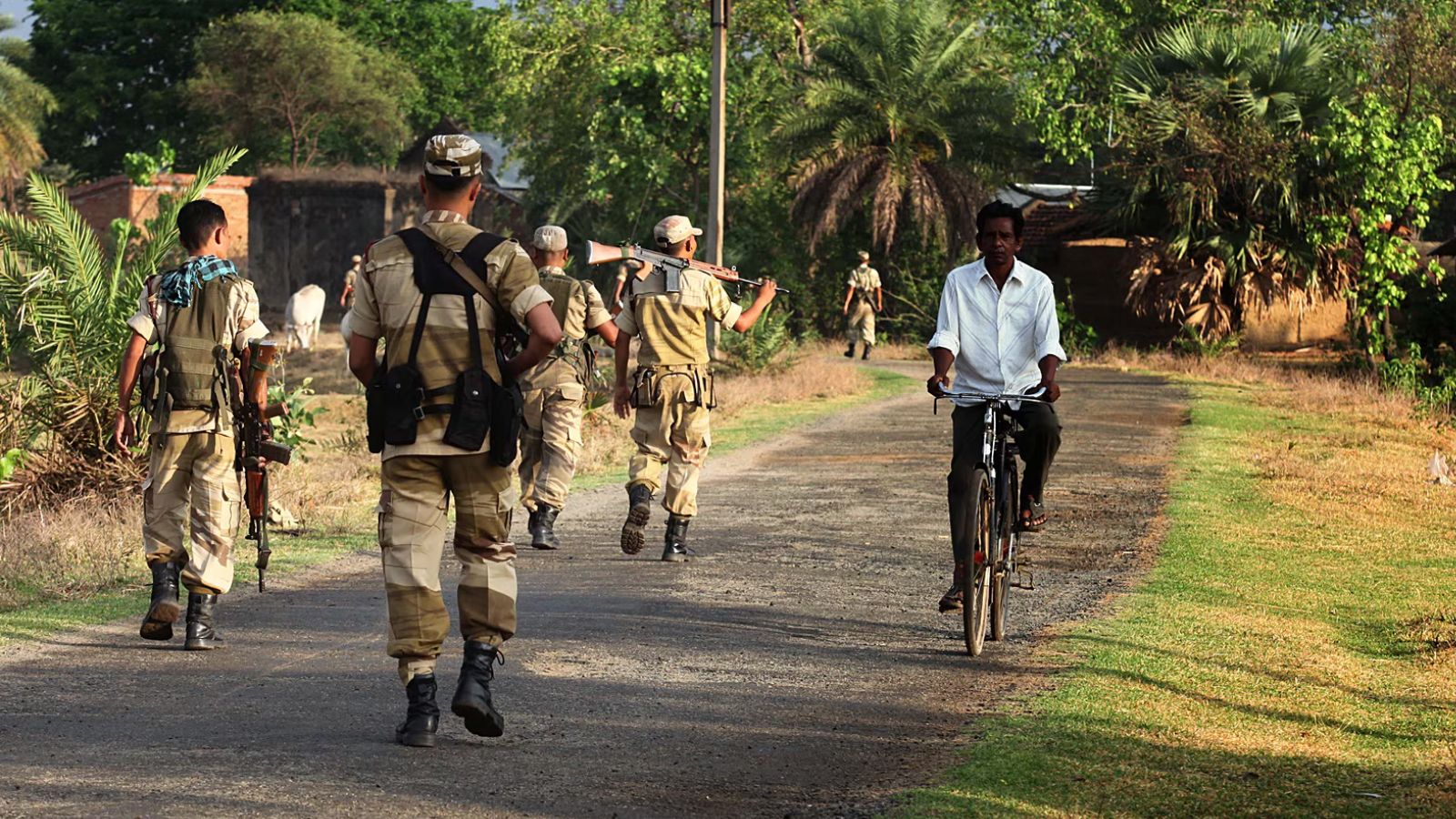
For many years, armed Maoist groups operated in parts of central and eastern India.
These areas were often called the Red Corridor.
Government forces, including the Central Reserve Police Force, carried out operations to weaken and dismantle the insurgency.
The government says India was declared free from Naxalism on March 31, 2026.
Security forces also helped establish camps and police stations in remote areas.
Roads, banks, post offices, schools and mobile connections were expanded.
Former fighters are being offered help to leave the insurgency and return to civilian life.
The biggest challenge now is making sure these areas have lasting opportunities and functioning public institutions.

The Centre declared India free from Naxalism on March 31, 2026, after a sustained campaign against Left Wing Extremism.
The campaign combined intelligence-led operations, coordination between forces, financial disruption, rehabilitation and expanded security infrastructure.
Since 2014, the government says 408 security camps and 597 fortified police stations have been established in affected areas.
More than 12,000 kilometres of roads, 1,804 bank branches, 1,321 ATMs and 6,025 post offices have been added.
The next challenge is turning former insurgent strongholds into durable development corridors with institutions, jobs, education and economic activity.
- Who
- The Central Reserve Police Force, state police forces, the central government and communities in Left Wing Extremism-affected areas.
- What
- India’s campaign against Naxalism has dismantled Maoist strongholds, and the government is now seeking to replace the former Red Corridor with development and state institutions.
- Where
- Former Left Wing Extremism-affected areas, particularly in Chhattisgarh, Jharkhand and other parts of the former Red Corridor.
- When
- The CRPF marked its Raising Day on July 27; the Centre declared the country free from Naxalism on March 31, 2026, while much of the infrastructure expansion has occurred since 2014.
- Why
- The government aims to prevent a resurgence by combining security, rehabilitation, connectivity, public services and economic opportunity.
Key facts
- Naxalism declaration
- The Centre declared the country free from Naxalism on March 31, 2026.
- New security camps
- 408 new security camps have reportedly been established in affected areas since 2014.
- Fortified police stations
- 597 fortified police stations have reportedly been added since 2014.
- Road construction
- More than 12,000 kilometres of roads have been constructed in affected regions.
- Financial and postal access
- The government says 1,804 bank branches, 1,321 ATMs and 6,025 post offices have been added.
- Security operations
- Operations named Black Forest, Octopus, Double Bull and Chakrabandha were cited as part of the campaign.
- Rehabilitation
- The surrender policy offers former cadres financial assistance, training and reintegration support.
Sources
Related news
PM Modi Declares Naxalism Nearly Defeated as Bastar Hoists Tricolour
Gogunda Moves Beyond Maoist Stronghold Through Security and Development

Telangana DGP visits Maoist stronghold Karregutta after 50 years

Centre Retains Security Funding for 38 Former Naxal-Hit Districts

Chhattisgarh celebrates 80th I-Day; CM hails Naxal-free Bastar progress

Basavaraju Operation Officer Among Chhattisgarh Police Gallantry Medal Winners

BJP chief echoes Modi’s ‘naraz fufa’ jibe against Opposition

Nishu Azad Faces Backlash and Complaint Over Anti-Hindu Posts

Congress MP Accuses BJP of Politicising India’s Scientists
Opposition Condemns Modi’s ‘Dimagi Naxal’ Remarks at SRCC
Raj Thackeray warns of religious tensions during Ganesh festival