1 hr ago
BBA Graduate Turns Failed Wheat Crops Into Vegetable Success
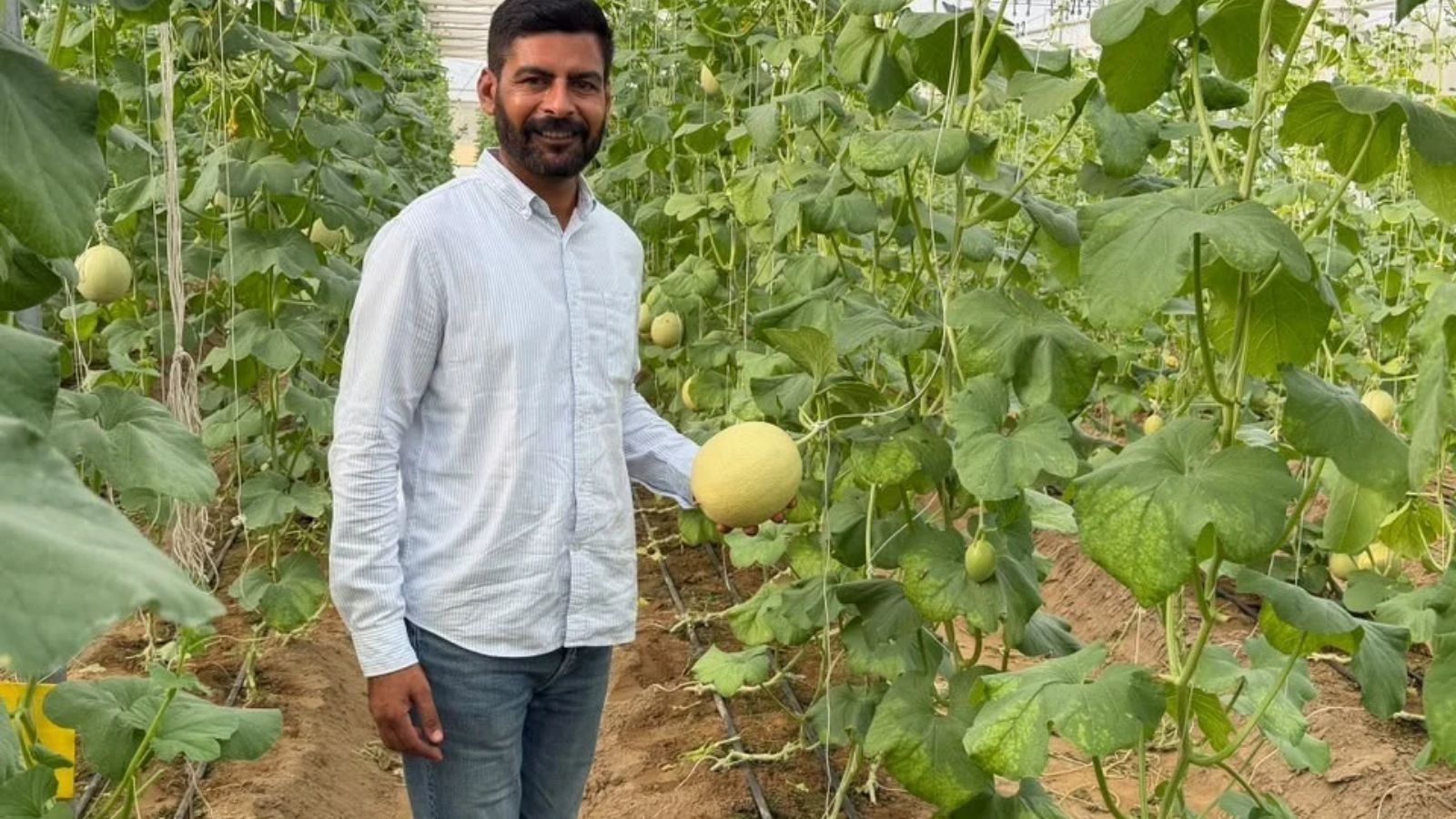
Baldhir Singh Bhullar is a farmer in Ferozepur who studied business.
In 2021, pests damaged much of his wheat, and heavy rain hurt his second sowing.
Instead of giving up, he planted tomatoes on some of the affected land.
The tomatoes did well, so he began growing more vegetables.
He now grows vegetables outdoors and in protected structures that let him manage growing conditions.
He says his 13 acres of vegetables bring in more money each year than the larger area he uses for wheat and paddy.
Protected farming costs a lot to set up, though government schemes can cover half the cost.
Punjab Agricultural University recently recognized his farming efforts with an award.

After two wheat sowings failed in 2021, Baldhir Singh Bhullar planted tomatoes on 13 acres and shifted toward vegetable farming.
His family owns about 75 acres in Ferozepur; 13 acres are now used for vegetables, while about 60 acres remain under paddy and wheat.
Bhullar grows seasonal vegetables in open fields and capsicum, seedless cucumber and Japanese melon in protected structures.
He reports annual vegetable revenue exceeding Rs 1 crore, compared with about Rs 75 lakh from wheat and paddy on around 60 acres.
His diversification, water conservation and avoidance of stubble burning earned him a Pravasi Bharatiya Award from Punjab Agricultural University.
- Who
- Baldhir Singh Bhullar, a 35-year-old BBA graduate and farmer.
- What
- He diversified from wheat and paddy into open-field and protected vegetable cultivation, which he says generates over Rs 1 crore annually.
- Where
- Basti Nanaksar, Ferozepur district, Punjab.
- When
- The failed wheat sowings occurred in 2021; protected cultivation began in 2023.
- Why
- Two failed wheat sowings prompted Bhullar to try tomatoes, whose returns encouraged him to shift toward vegetables.
Diversification
Traditional grains
Returns and investment
Diversification
Bhullar says vegetables, particularly under protected cultivation, generate higher returns than wheat and paddy, although the initial infrastructure investment is substantial.
Traditional grains
His family continues to grow wheat and paddy on around 60 acres; the article gives no separate argument from supporters of maintaining those crops.
Key facts
- Vegetable area
- 13 acres: eight in open fields and five under protected cultivation.
- Protected cultivation
- One acre in a polyhouse and four acres in net houses.
- Reported annual vegetable revenue
- More than Rs 1 crore, according to Bhullar.
- Reported wheat and paddy revenue
- About Rs 75 lakh annually from around 60 acres.
- Protected-cultivation costs
- About Rs 40 lakh per acre for a polyhouse and Rs 28.4 lakh for a net house.
- Available subsidy
- Bhullar said government schemes provide 50 per cent subsidy support.
- Seasonal employment
- He employs around 25–30 people for about 10.5 months a year.
- Recognition
- He received the Pravasi Bharatiya Award from Punjab Agricultural University.
Quotes
Baldhir Singh Bhullar
A farmer in Ferozepur district who shifted from wheat to vegetable cultivation.
“But the investment is worth it. With proper management, one can recover the entire cost within the first two seasons.”
 indianexpress.com
“After we faced heavy losses, my father wanted to lease out the land, but I had a different plan.”
indianexpress.com
Sources
Related news
Punjab Brothers' Three-Crop Model Ends Six Years of Stubble Burning
Chandigarh Engineer Builds Rs 1.44 Crore Microgreens Business
Punjab’s Domestic Fruit Orchard Model Offers Food and Income
Moga Woman Builds Rs 80 Lakh Enterprise on Leased Land

Telangana Plans Major Vegetable Expansion After Cultivation Decline
Fazilka Farmer Turns Debt Into Sheep And Agroforestry Success

Fazilka Police Arrest Man and Son at Golden Temple

Eight-Year-Old Boy Dies After Chest Pain

NRI Dies in Punjab Gun Accident

Shravan Singh Honored for Bravery in Operation Sindoor