2 hrs ago
UPSC Key Covers India-China Talks, Judiciary, Economy and Security
This UPSC current-affairs collection explains several important events in India and abroad.
India and China held senior military talks because troops remain tense near their disputed border in Arunachal Pradesh.
Punjab’s government objected to the appointment of a High Court Chief Justice, while lawyers said the objection could interfere with judicial independence.
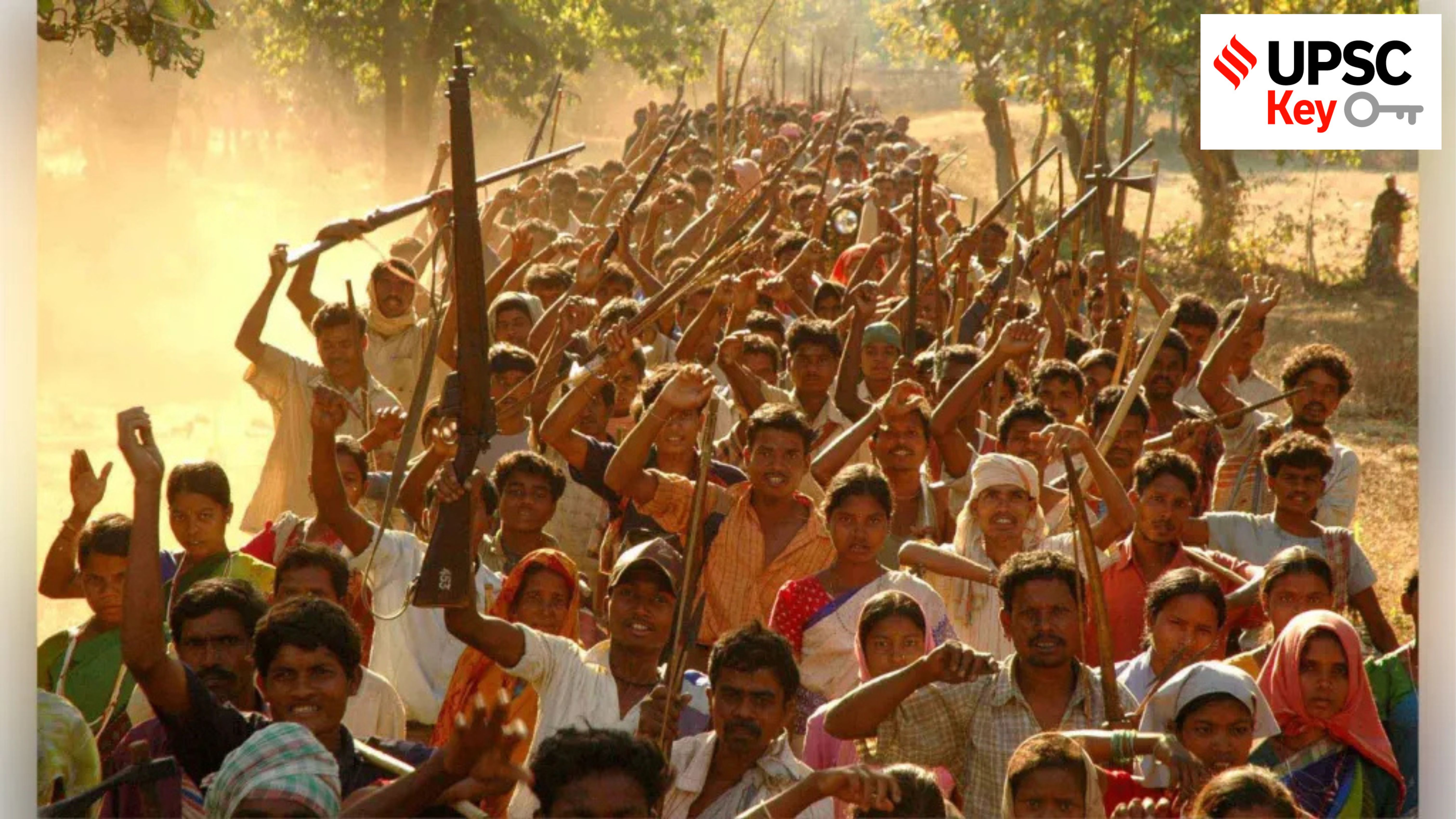
A court convicted 10 Maoists for the Jhiram Ghati attack, where Mahendra Karma and others were killed.
The article also explains why Salwa Judum remains controversial because it fought Maoists but was later declared unconstitutional.
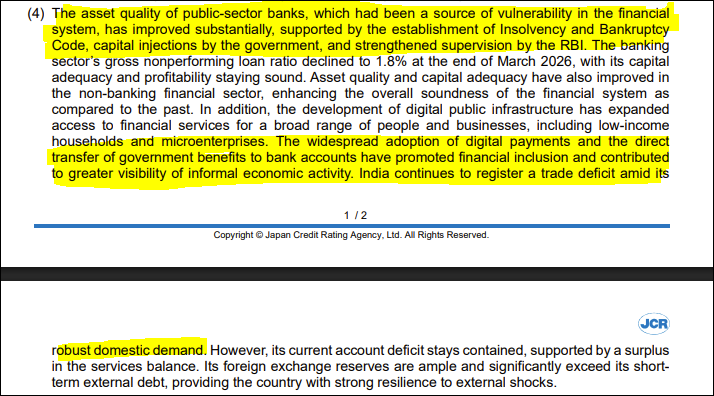
India received a higher sovereign credit rating from Japan’s rating agency, which may make borrowing easier.
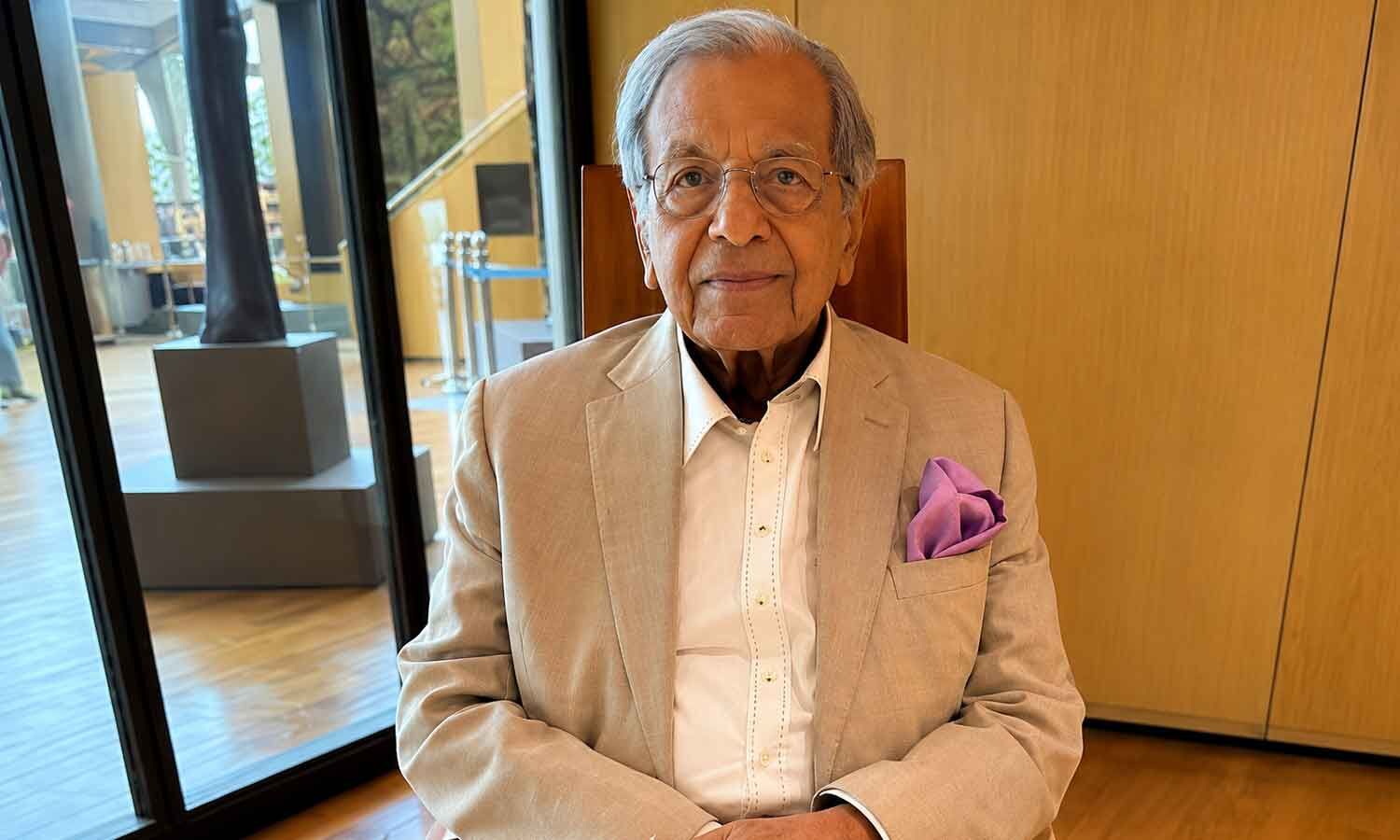
Experts disagreed about whether new GDP figures accurately show economic growth and said public trust in official data matters.
The RBI was dealing with unusually high banking-system liquidity, while new US sanctions targeted a bank’s UAE branches over alleged Iranian financial links.

India and China held Corps Commander-level talks at Wacha-Damai in Arunachal Pradesh amid reported tensions near Taksing and continued troop deployments.
Punjab’s Cabinet asked to pause Justice Ashwani Kumar Mishra’s appointment as High Court Chief Justice, while the Bar Association called the move executive overreach.
A court convicted all 10 accused in the 2013 Jhiram Ghati attack, renewing debate over Mahendra Karma, Salwa Judum and counter-insurgency policy.
Japan Credit Rating Agency upgraded India’s sovereign rating from BBB+ to A-, while debate continued over GDP methodology and official data credibility.
RBI liquidity reached roughly ₹10.3 lakh crore, and the United States expanded sanctions on Banque Misr’s UAE branches over alleged links to Iranian shadow banking.
- Who
- India and China, the Punjab government and judiciary, Maoist accused in the Jhiram Ghati case, Indian economic authorities, the Reserve Bank of India, and the United States were the principal actors across the reported developments.
- What
- The roundup covers border talks, a dispute over a High Court Chief Justice appointment, a Jhiram Ghati verdict, India’s sovereign-rating upgrade, GDP-data criticism, excess banking liquidity, and sanctions involving Banque Misr’s UAE branches.
- Where
- The events involved Arunachal Pradesh, Punjab and Haryana, Chhattisgarh, India’s financial system, and Banque Misr branches in Abu Dhabi, Dubai, Sharjah and Ras Al Khaimah.
- When
- The developments were reported for September 7, 2026, with events and decisions also referring to August and September 2026 and earlier milestones such as 2011, 2013, 2020 and 2025.
- Why
- The stated reasons included managing India-China border tensions, resolving a dispute over judicial-appointment procedure, prosecuting a Maoist attack, assessing India’s creditworthiness, improving confidence in GDP statistics, absorbing surplus liquidity, and restricting alleged Iranian access to dollar-based finance.
Critics and State Authorities
Government and Institutional Defenders
Punjab Chief Justice appointment
Critics and State Authorities
The Punjab Cabinet said the Centre failed to obtain the state government’s views under the Memorandum of Procedure and violated Punjab’s constitutional rights.
Government and Institutional Defenders
The Punjab and Haryana High Court Bar Association said seeking to halt the appointment risked executive overreach and could create political pressure on the judiciary.
Salwa Judum’s legacy
Critics and State Authorities
Critics point to allegations of human-rights abuses and the Supreme Court’s 2011 ruling that the force was unconstitutional.
Government and Institutional Defenders
Supporters described Salwa Judum as a spontaneous tribal uprising against Maoist violence and credited it with helping counter Naxal influence.
GDP growth data
Critics and State Authorities
Critics argued that official growth figures appear disconnected from shortages, weak job creation, subdued wage growth and other economic indicators, creating a trust deficit.
Government and Institutional Defenders
MoSPI said comparisons using the new methodology for one year and the old methodology for another were invalid, and stated that the comparable real-growth rate was 7.8 percent.
US sanctions on Banque Misr UAE
Critics and State Authorities
The United States said the bank’s UAE operations provided access to dollar correspondent banking for Iranian networks and alleged links to front companies associated with Iran’s Ministry of Defense and IRGC.
Government and Institutional Defenders
The measure was limited to Banque Misr UAE and its five branches; the provided report did not state a separate public defense from Banque Misr or Iran.
Key facts
- India-China talks
- Corps Commander-level talks were held at the Wacha-Damai border meeting point in Arunachal Pradesh amid tensions near Taksing.
- High Court appointment
- The President appoints a High Court Chief Justice under Article 217(1); Punjab sought to put Justice Ashwani Kumar Mishra’s appointment and oath on hold.
- Jhiram Ghati verdict
- All 10 Maoists accused in the May 2013 attack were convicted; Mahendra Karma was among 28 people killed.
- Salwa Judum
- The Supreme Court declared Salwa Judum illegal and unconstitutional on July 5, 2011, citing violations of fundamental rights.
- Sovereign rating
- Japan Credit Rating Agency upgraded India’s long-term sovereign rating from BBB+ to A- on September 2.
- GDP methodology
- MoSPI changed the GDP base year from 2011-12 to 2022-23 and introduced double deflation in the new series.
- Banking liquidity
- Banking-system liquidity reached about ₹10.3 lakh crore on September 3, its highest level since May 2022 according to the report.
- Banque Misr sanctions
- The US proposed Special Measure Five against Banque Misr UAE, covering five UAE branches and restricting US correspondent-banking access.
Quotes
Shubranshu Choudhary
Journalist and activist commenting on Mahendra Karma’s anti-Maoist legacy
“Today, the Punjab Cabinet unanimously passed an important resolution against the continued assault on Punjab’s rights by the Central Government and the violation of constitutional norms.”
 indianexpress.com
“Its roots lie in the SPOs who emerged during the Salwa Judum period.”
indianexpress.com
Sources
Related news

UPSC Key: Space, AI, Article 142 and Economic Affairs
UPSC Key Examines China, Elephants, AI and Chipflation
UPSC Key Covers SCO, Electoral Rolls, Economy, Defence and Climate
UPSC Current Affairs: India’s Diplomacy, Economy, Law and Policy
N.K. Singh Rejects GDP Manipulation Claims, Defends Revised Methodology
India Regains A- Sovereign Rating After 36 Years

India Wins JCR Sovereign Rating Upgrade After Strong GDP Growth
Pakistan Raises $3 Billion Amid Hopes and Economic Risks
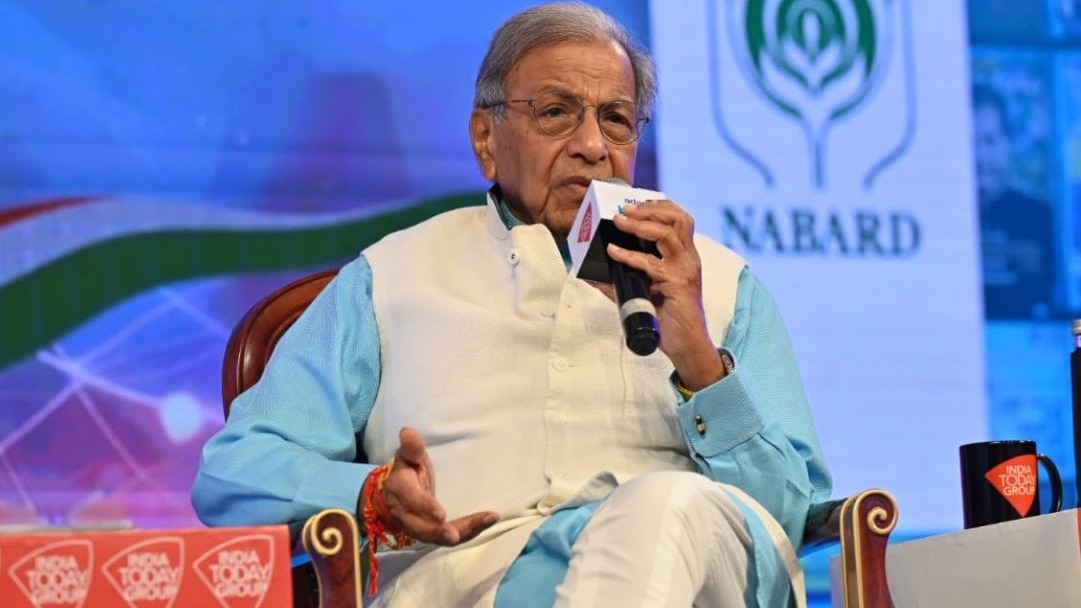
Japan Agency Upgrades India Rating; Singh Defends New GDP Method