

2 hrs ago
Pakistan Raises $3 Billion Amid Hopes and Economic Risks

Pakistan borrowed $3 billion from investors around the world.
It did this by selling bonds, which are promises to repay money with interest.
Investors ordered nearly twice as much debt as Pakistan wanted to sell.
Pakistan can use the money to strengthen its foreign-currency reserves.
The country still has a low credit rating, meaning investors believe lending to it is risky.
Pakistan offered high interest rates to make the bonds attractive.
Some experts see the sale as a sign that confidence is returning.
Other risks, including large debt payments, limited reserves and political uncertainty, have not disappeared.

Pakistan sold $3 billion in five- and 10-year bonds to international investors.
Orders reached nearly $6 billion, indicating strong demand for the debt.
The bonds carried yields of 7.75% for five years and 8.25% for 10 years.
Moody’s and S&P upgraded Pakistan recently, but the country remains junk-rated.
Economists called the sale a cautious confidence boost, not proof of a full recovery.
- Who
- Pakistan’s government raised the money from international investors, with economists Mohammed Sohail and Vishal Dagar commenting on the sale.
- What
- Pakistan issued $3 billion in sovereign bonds despite retaining a junk credit rating.
- Where
- The debt was raised in international financial markets.
- When
- The bond sale occurred recently; Moody’s upgraded Pakistan the previous month, while S&P upgraded it in July.
- Why
- The funds are intended to support Pakistan’s foreign-exchange reserves and reduce reliance on risky short-term dollar borrowing and deposits.
Economic Comeback
False Dawn Risks
Meaning of the bond demand
Economic Comeback
The nearly $6 billion in orders suggests international investors are regaining confidence in Pakistan and are willing to lend to it again.
False Dawn Risks
Demand may partly reflect unusually strong global appetite for high-yield investments rather than a lasting improvement in Pakistan’s economy.
Significance of the ratings upgrades
Economic Comeback
Upgrades by Moody’s and S&P indicate that rating agencies see progress in Pakistan’s financial management and repayment ability.
False Dawn Risks
Pakistan remains junk-rated, with high debt-servicing costs, thin foreign-exchange reserves and political uncertainty still posing major risks.
Prospects for recovery
Economic Comeback
The bond proceeds can strengthen reserves and reduce dependence on short-term foreign loans, supporting economic stability.
False Dawn Risks
The sale is only a cautious vote of confidence; the decisive test will be whether Pakistan maintains fiscal discipline and reforms when global risk appetite weakens.
Key facts
- Total raised
- $3 billion
- Five-year bond
- $1.75 billion at a 7.75% yield
- Ten-year bond
- $1.25 billion at an 8.25% yield
- Investor orders
- Nearly $6 billion
- Pakistan’s Moody’s rating
- B3, below investment grade
- Recent ratings changes
- Moody’s upgraded Pakistan last month; S&P upgraded it in July
- IMF support
- Pakistan received a bailout in 2022
Quotes
Mohammed Sohail
Chief Executive Officer of Topline Securities in Karachi
“This will help in supporting FX reserves and will reduce reliance on risky short term dollar loans and deposit, reducing rollover risks”
 NDTV
NDTV
Sources
Related news
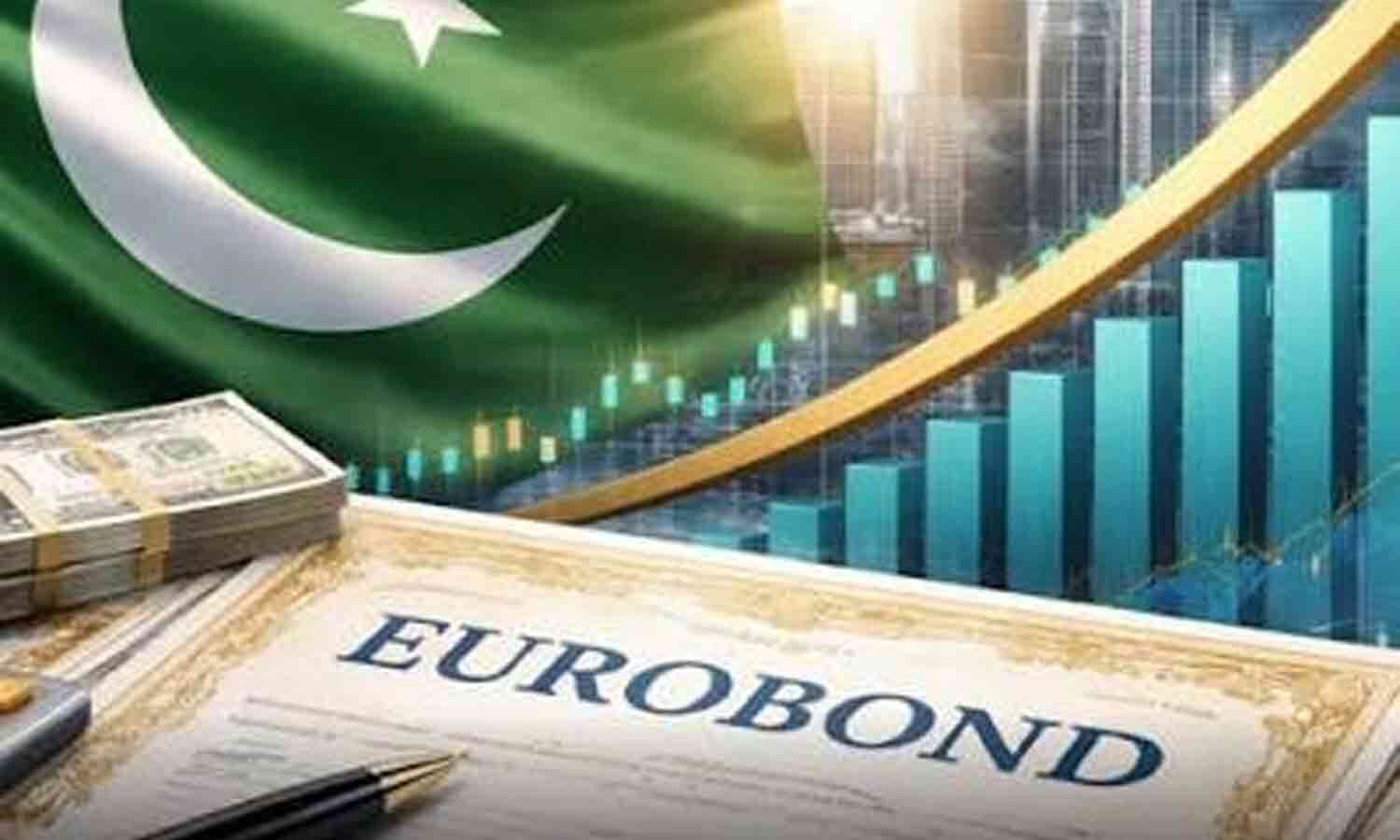
Pakistan Raises USD 3 Billion in Record Dual-Tranche Eurobond Sale

Pakistan’s $10-billion US Support Request Raises Relief, Strategic-Cost Questions
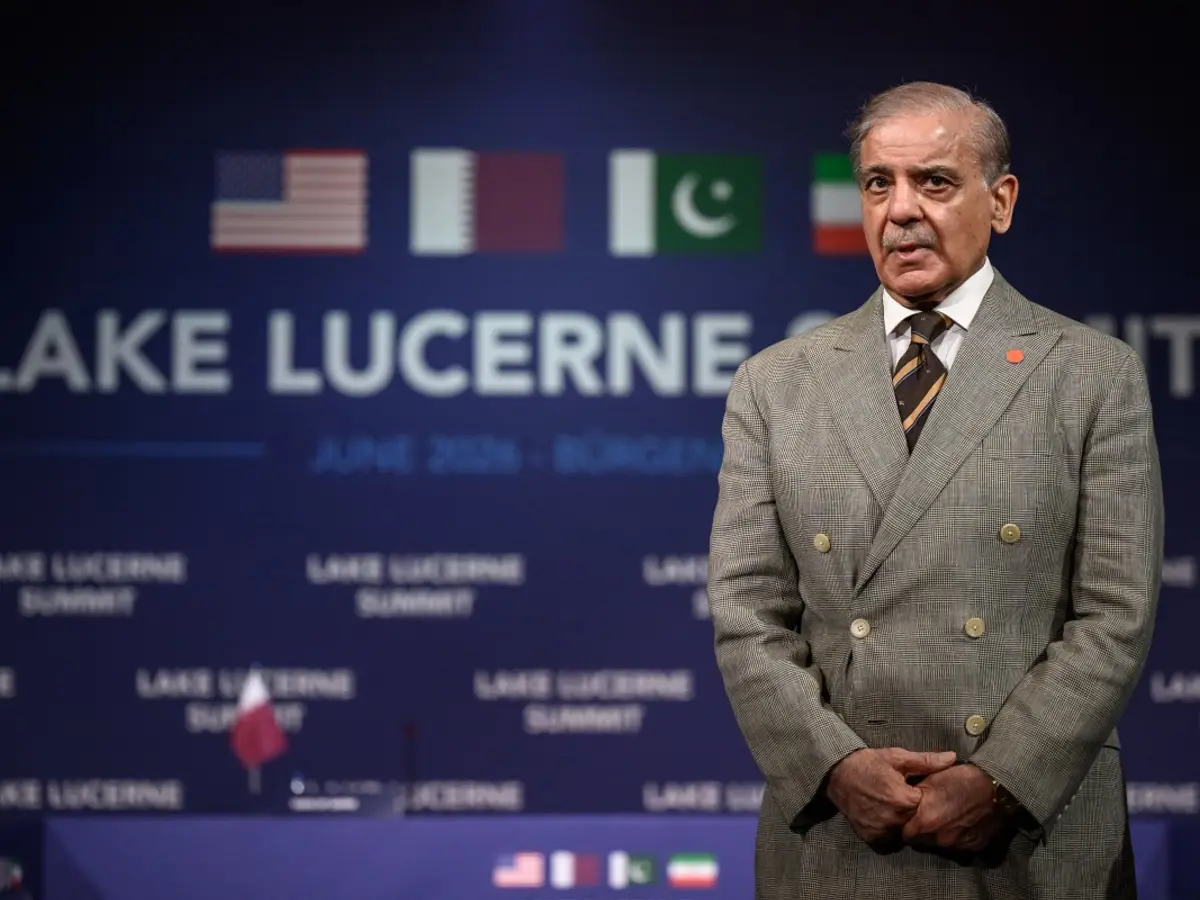
Pakistan Seeks $10 Billion US Treasury Forex Facility

Yes Bank eyes dollar bond market after six-year hiatus

Punjab BJP attacks AAP over rising debt and mismanagement
RBI Keeps Repo Rate Steady; Experts Favour Quality Debt Investments

Japan Agency Upgrades India Rating; Singh Defends New GDP Method

JCRA Upgrades India Sovereign Rating to A- Amid Growth

Japan’s JCR Upgrades India’s Sovereign Rating to A-

SoftBank Plans Record Retail Bond Sale for OpenAI Funding
