3 days ago
Slap, insult, and civic restraint: India’s challenge to public rage
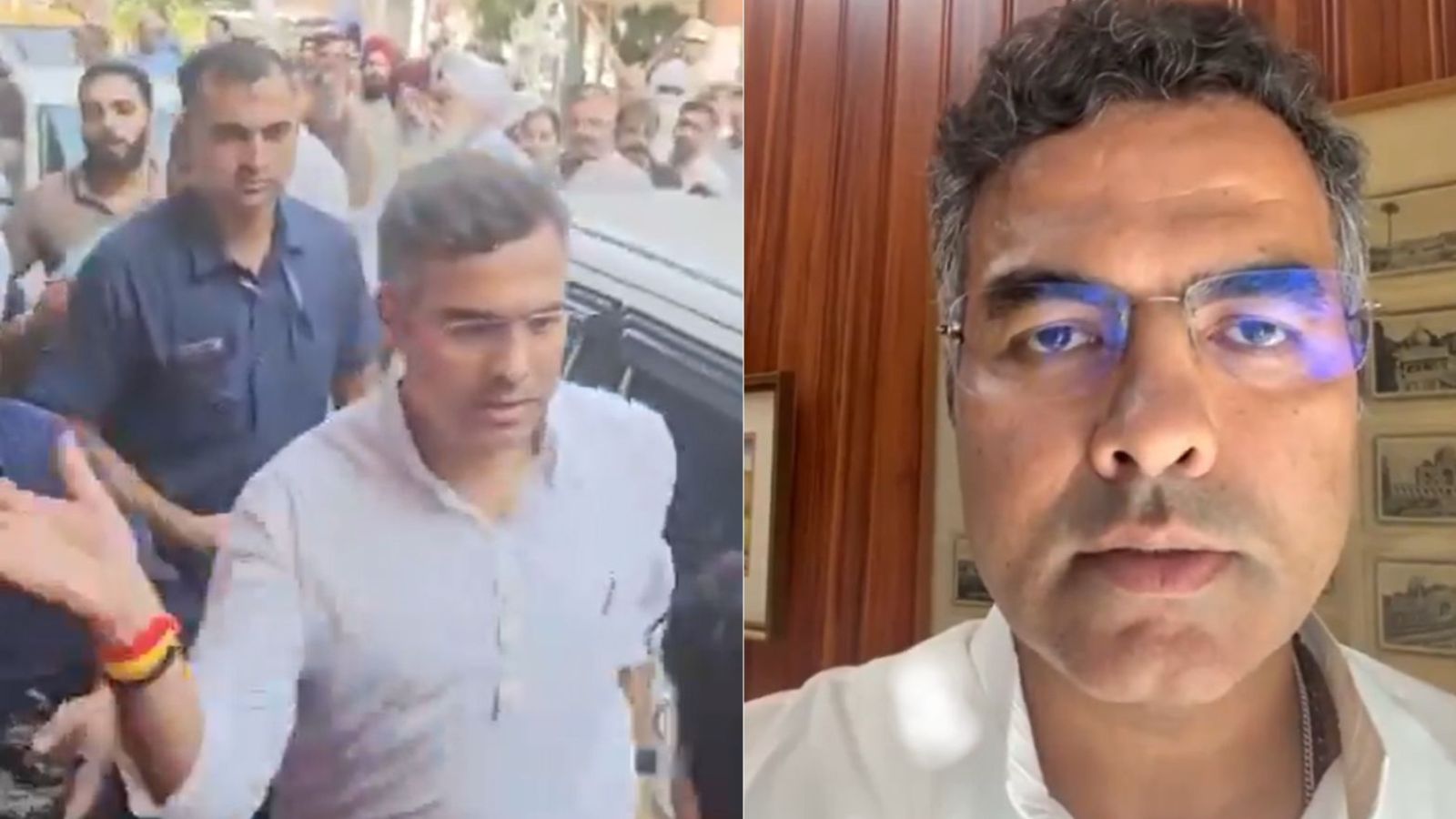
A government minister in Delhi was shown slapping a person during an argument about a road.
People had been pulling up pieces of the road because they believed it was badly made and unsafe.
The article says the slap was wrong because people in power must treat citizens properly.
It also warns that anger can spread when people believe any kind of retaliation is acceptable.
Shouting or hitting back may feel satisfying, but it can make problems worse.
The writer says public institutions should obey the law.
Officials who break rules should be prosecuted quickly.
Young people are encouraged to build peaceful and cooperative movements.
People of every age should work together to demand accountability.

Delhi PWD Minister Sahib Singh was shown slapping a citizen during a public dispute over road conditions.
The incident involved people pulling pieces of road surface up with their bare hands.
The article condemns abuse of official power while warning against treating rage and retaliation as automatically justified.
It argues that restoring civic life requires institutions to follow the law and officials to face speedy prosecution for violations.
The writer calls for people of all ages to demand accountability and support cooperation over violence and command culture.
- Who
- Delhi PWD Minister Sahib Singh and an ordinary citizen; other people were present at the road protest.
- What
- Sahib Singh was shown slapping the citizen during a dispute linked to road conditions.
- Where
- In Delhi, at a public road-related protest.
- When
- The article does not specify when the incident occurred.
- Why
- People were protesting badly made and unsafe roads, with some pulling up pieces of the road surface.
Civic restraint and accountability
Rage and retaliation
Response to provocation
Civic restraint and accountability
Anger should not lead to violence or retaliation, even when a provocation appears valid.
Rage and retaliation
Some people may view public venting or retaliation as justified when officials mistreat citizens or when poor roads cause prolonged frustration.
Role of public officials
Civic restraint and accountability
Officials must honor the law and basic standards of public behavior, with violations followed by speedy prosecution.
Rage and retaliation
The incident reflects a public mood in which people may feel that those in power can act with impunity; the article does not endorse this view but identifies it as a widespread concern.
Path to social change
Civic restraint and accountability
Young people and citizens of all ages should build participatory, cooperative movements and demand institutional accountability.
Rage and retaliation
An alternative impulse favors immediate expressions of anger, although the article argues that this approach threatens everyday civic life.
Key facts
- Official involved
- Sahib Singh, identified as Delhi PWD Minister
- Other person involved
- An ordinary citizen who was slapped
- Immediate context
- A public dispute concerning the condition of a road
- Visible protest action
- People pulled pieces of road surface with their bare hands
- Article’s central concern
- The decline of civic restraint and the normalization of public rage
- Proposed institutional response
- Officials who violate rules should be speedily prosecuted
- Proposed public response
- People of all ages should demand accountability and encourage cooperation
Quotes

Jayaprakash Narayan
Indian political leader whose nonviolence slogan is cited in the article
“Hamla chahe jaisa hoga, haath hamara nahin uthega”
 indianexpress.com
Sources
Related news
India Debate: Do Voters Matter When Leaders Face Questions?
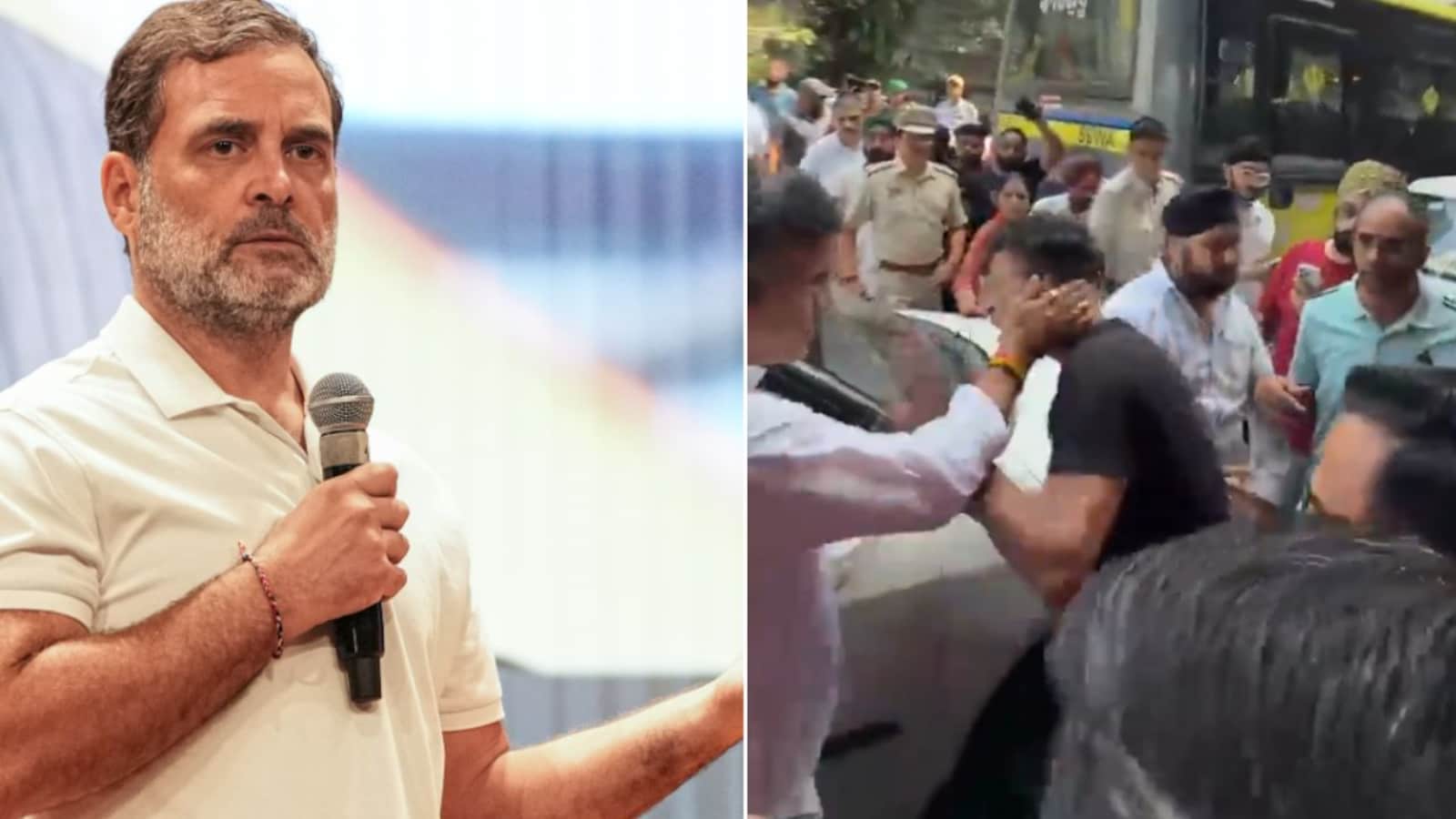
Rahul Gandhi Links Parvesh Verma Slap Row to Voter Fears

Delhi PWD Minister Slap Video Sparks Tilak Nagar Political Row

Parvesh Verma Slap Row Raises Questions Over Police Action
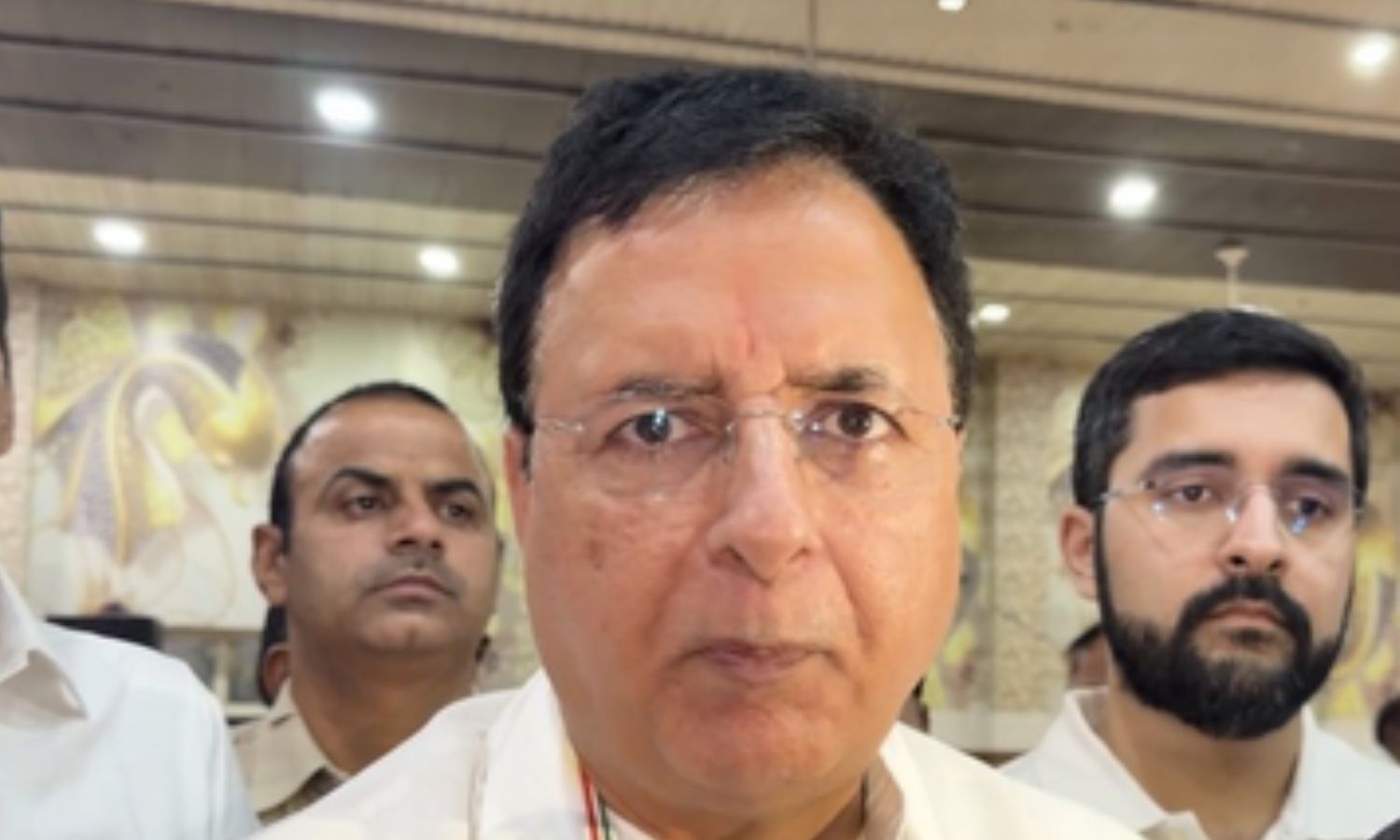
Opposition condemns alleged Delhi minister’s slapping video incident
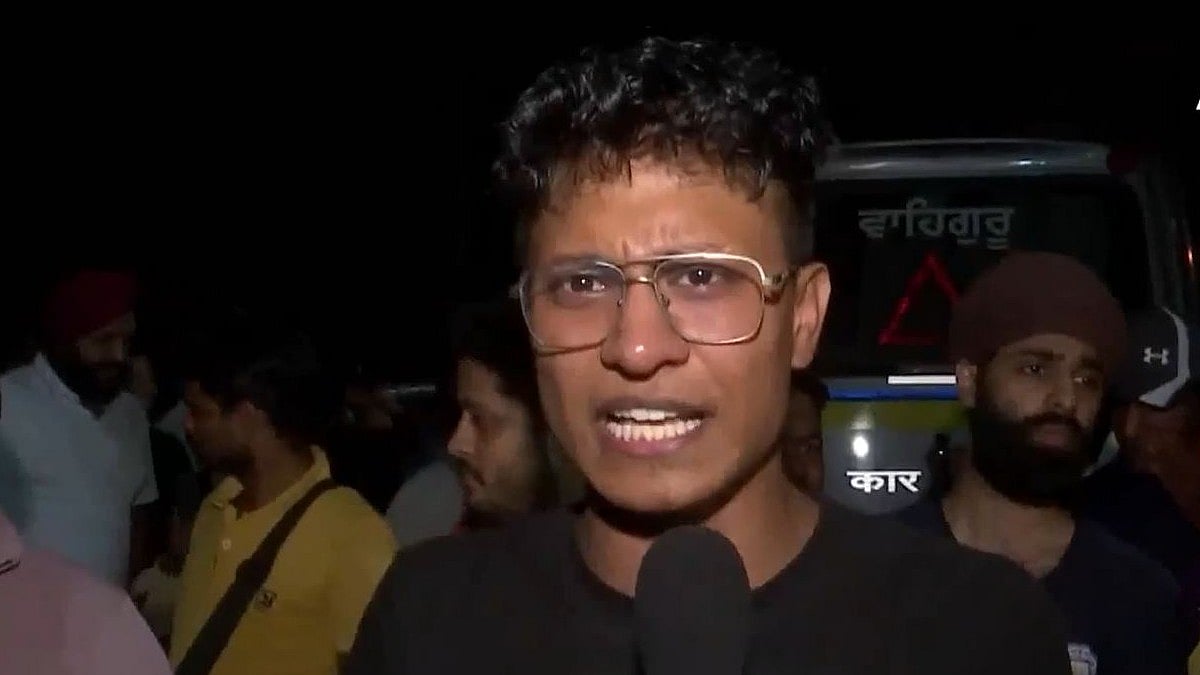
Delhi Minister, Youth Trade Allegations After Road Inspection Slap

Swaraj Offers a Blueprint for Renewing Democracy Globally

How Chipko Inspired Karnataka’s Appiko Forest Movement
Nayak’s Flop Became a Lasting Challenge to Political Corruption

Indian Student Movements Echo Past Struggles for Democracy