1 week ago
India Needs More Meaningful MPs, Not Just More Seats
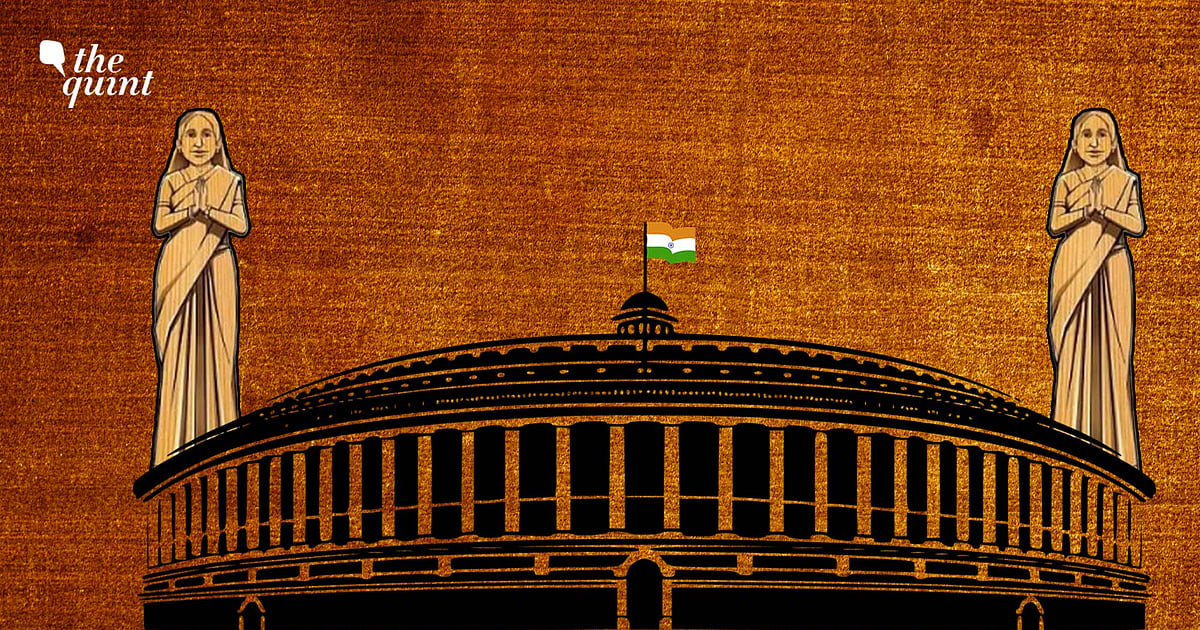
India is considering how many elected representatives its Parliament should have.
Changing constituency boundaries could make representation fairer and reduce the number of people each MP represents.
However, having more MPs would not automatically give them more time or power to debate laws.
Party rules can punish MPs who vote against their party on certain issues.
Several committees have suggested limiting those punishments to important votes involving the government’s survival or major financial and constitutional matters.
They have also suggested that someone other than the Speaker should decide whether an MP must be disqualified.
The article says these changes would help MPs think and vote more independently.
Its main message is that India needs not only more MPs, but MPs with meaningful opportunities to legislate and scrutinise government.

India’s delimitation debate addresses representation, but a larger House alone may not make MPs more effective legislators.
The Dinesh Goswami Committee recommended limiting disqualification mainly to confidence, no-confidence and Budget votes.
The Law Commission of India’s 170th Report broadly supported narrowing disqualification rules and moving adjudication away from the Speaker.
Later proposals included independent adjudication, a constructive vote of no confidence and protections for recorded dissent.
The article argues India needs both fairer representation and greater legislative freedom for MPs.
- Who
- Indian MPs, political parties and reform bodies including the Dinesh Goswami Committee and the Law Commission of India.
- What
- The article examines how delimitation and reforms to the Tenth Schedule could improve representation and MPs’ legislative independence.
- Where
- India’s Parliament and electoral constituencies.
- When
- The reform proposals discussed were issued in 1990, 1999, 2002 and 2015.
- Why
- Because fairer constituency sizes alone would not ensure parliamentary time, stronger committees, amendment opportunities or freedom from excessive party discipline.
Key facts
- Central argument
- India should pursue both fair representation and meaningful legislative agency for MPs.
- Dinesh Goswami Committee
- Its 1990 recommendations would limit disqualification mainly to confidence, no-confidence and Budget votes.
- Law Commission of India, 170th Report
- The 1999 report broadly endorsed limiting disqualification and moving adjudication away from the Speaker.
- Constitution review commission
- The 2002 commission proposed independent adjudication and a German-style constructive vote of no confidence.
- Law Commission of India, 255th Report
- The 2015 report proposed defined votes triggering disqualification and protection for recorded dissent.
- Limits of delimitation
- A larger House and population-based redistribution may improve representation but cannot guarantee stronger legislative powers.
- Limits of Tenth Schedule reform
- Changing party-discipline rules cannot solve the problem of MPs representing very large populations.
Sources
Related news
Kharge urges Modi to preserve Lok Sabha's 543-seat strength
Kharge Seeks 25-Year Freeze on Lok Sabha Seats
Congress Questions Lok Sabha Delay Over Delimitation Bill

NDA Weighs Special Parliament Session for Women's Quota, Delimitation Bills

Government seeks Congress support for women's reservation delimitation bill
Tamil Nadu Seeks Assurance Over Parliamentary Seats After Delimitation
Supreme Court Keeps Hanging, Leaves Door Open For Review

Supreme Court Issues Notice On Paper Leak Property Confiscation PIL

Supreme Court Rejects Plea To Replace Death By Hanging

NALSAR row puts Bar Council of India in focus