3 weeks ago
Parliament passes bill raising Supreme Court judge strength to 38
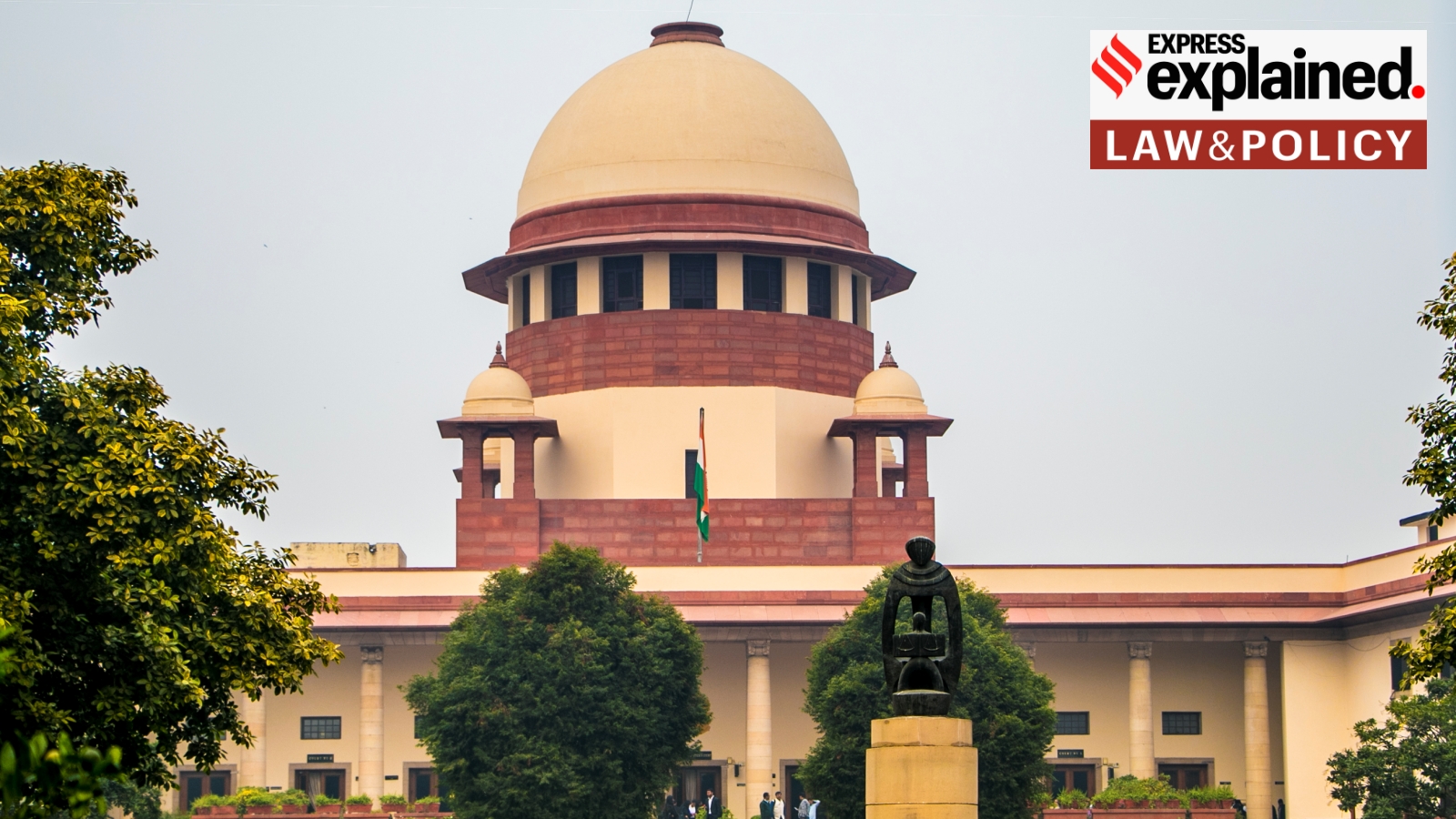
The Supreme Court of India is the highest court in the country, and it has a lot of work.
It decides very important questions about the Constitution and also handles many other kinds of cases.
This has created a big pile of cases waiting to be heard.
On August 5, 2026, Parliament passed a new law to increase the number of Supreme Court judges from 34 to 38.
The change was already in effect through an Ordinance since May 16.
More judges give the court more flexibility to form big groups of judges, called Constitution Benches, which need at least five judges.
Hearing a big constitutional case takes judges away from regular cases.
The court hopes that having more judges will let it hear important constitutional questions regularly without stopping its daily work.
Right now, the court has only 35 working judges, so three empty posts still need to be filled.
Whether the backlog shrinks will depend on filling those posts and how the judges are used.

Parliament passed the Supreme Court (Number of Judges) Amendment Bill, 2026 on August 5, 2026, raising the sanctioned strength from 34 to 38 judges.
The increase was already in force since May 16 through an Ordinance, which the new Bill seeks to replace.
The Bill aims to allow the Chief Justice of India to constitute Constitution Benches for required periods of days on a regular basis.
As of August 6, the Supreme Court had a working strength of 35 judges, leaving three vacancies against the enhanced sanctioned strength of 38.
92,101 cases were pending in the Supreme Court as of January 1, 2026; in 2025, 75,410 fresh matters were instituted and 65,615 were disposed of.
- Who
- Parliament of India, which passed the Bill, and the Chief Justice of India, who constitutes the court's benches.
- What
- The Supreme Court (Number of Judges) Amendment Bill, 2026, increasing the Supreme Court's sanctioned judge strength from 34 to 38.
- Where
- India.
- When
- August 5, 2026; the increase was already in effect through an Ordinance since May 16.
- Why
- To enable the Chief Justice to form Constitution Benches of five or more judges regularly to hear substantial constitutional questions and help manage the case backlog.
Case for adding judges
Caution on judge count alone
Will more judges reduce pendency?
Case for adding judges
Additional judges expand the number of bench combinations and give the Chief Justice more flexibility to constitute Constitution Benches while keeping enough judges for regular cases, potentially easing the backlog.
Caution on judge count alone
The Law Commission observed in 2009 that earlier increases in judge strength had not, by themselves, reduced pending caseloads; case volume, adjournments, case-management practices and the time required by complex matters also affect disposal.
Permanent Constitutional Division vs. existing structure
Case for adding judges
A permanent Constitutional Division, as proposed by the Law Commission in its 95th, 125th and 229th Reports, would structurally separate the court's constitutional work from its general appellate work.
Caution on judge count alone
Constitution Benches can be constituted within the existing Supreme Court for particular matters, and enlarging the judge pool may be enough without a permanent structural division.
Key facts
- Bill
- Supreme Court (Number of Judges) Amendment Bill, 2026
- Sanctioned strength
- Increased from 34 to 38 judges (including the Chief Justice of India)
- Bill passed
- Wednesday, August 5, 2026
- Ordinance in force
- Since May 16
- Working strength (as of August 6)
- 35 judges, with 3 vacancies
- Pending cases (as of January 1, 2026)
- 92,101
- Cases instituted in 2025
- 75,410
- Cases disposed of in 2025
- 65,615
Sources
Related news
More Supreme Court judges welcome, but wider reforms needed: experts
Rajya Sabha approves bill raising Supreme Court judges to 38

Rajya Sabha passes Bill to raise Supreme Court judge strength
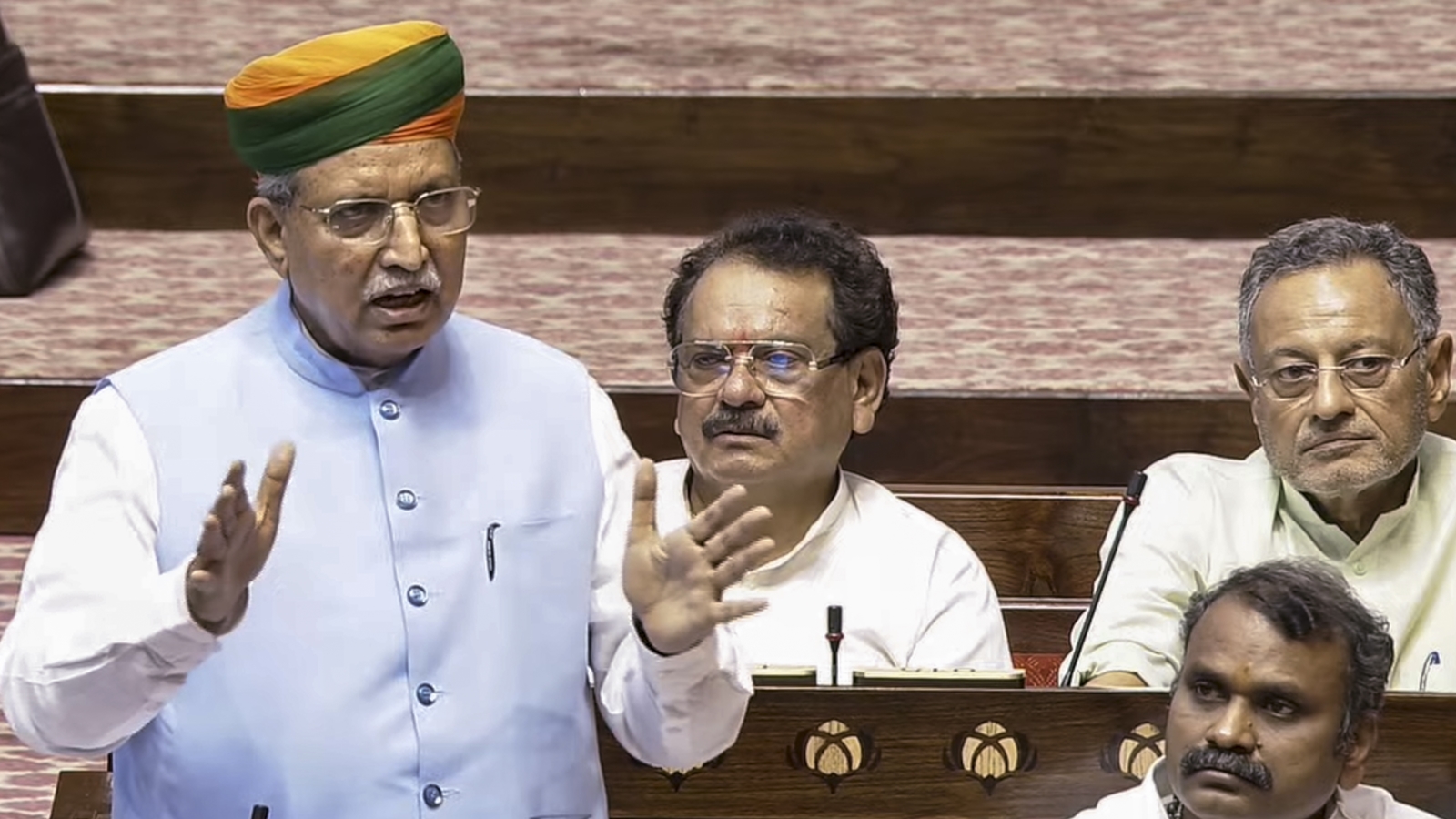
Rajya Sabha passes Bill raising Supreme Court judges to 38

Parliament adjourns amid J&K statehood and Ram Temple protests

PUCL Urges CJI Action Over Rajasthan High Court Allegations

Supreme Court Questions IPS Deputation for CAPF Leadership Positions

Supreme Court Quashes 20-Year Conviction, Reaffirms Juvenile Legal Protections

Two Years After RG Kar Doctor's Rape-Murder, Case Remains Unresolved

ED widens Chhattisgarh probes with two arrests and searches