1 week ago
US Antarctic Flight Turns Back After Russian Launch Warning
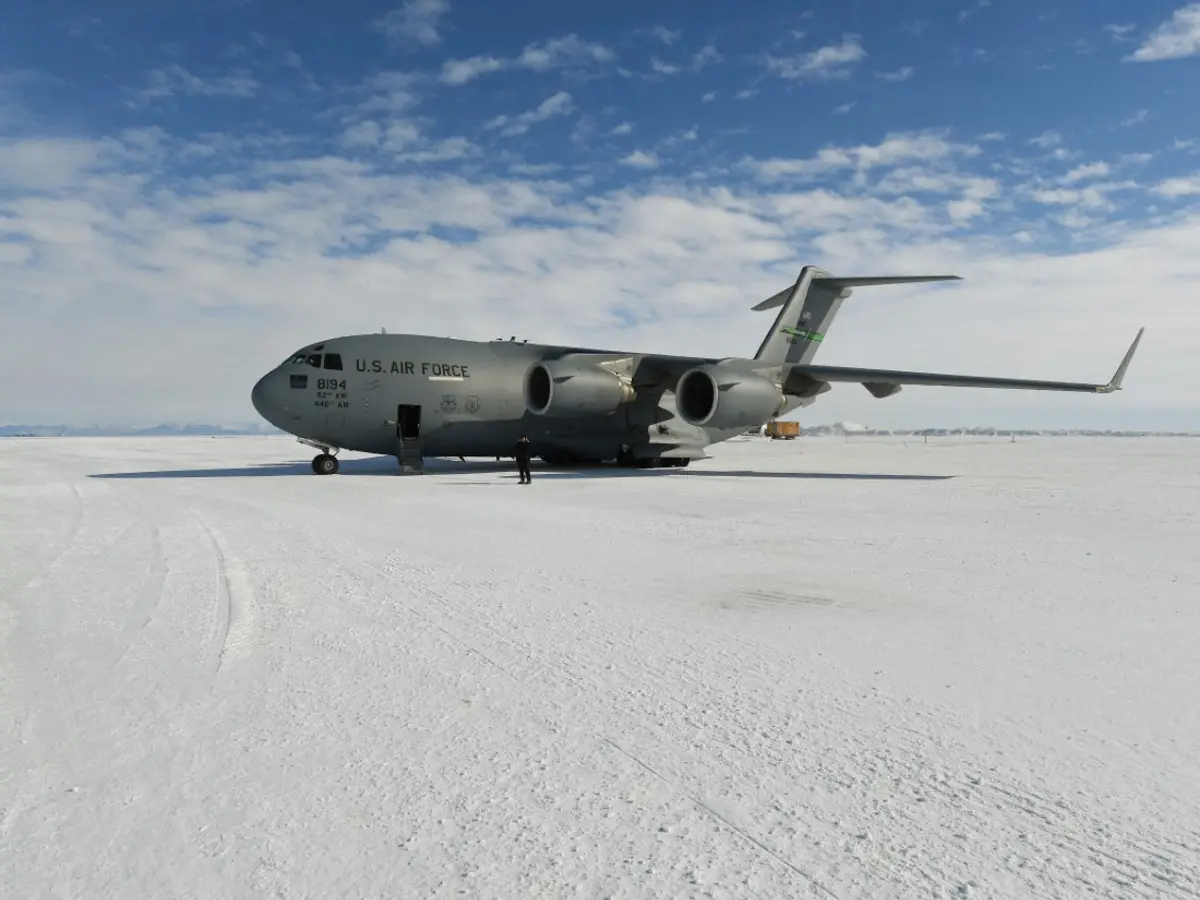
A US military plane was flying from New Zealand toward Antarctica.
It was going to deliver people and supplies to research bases.
Russia warned that a missile launch might happen in part of the nearby airspace.
New Zealand then told aircraft operators about a temporary danger area.
The US plane turned around and went back to Christchurch.
The warning did not legally stop planes from using the area.
Russia has not confirmed that it launched a missile in this specific incident.
New Zealand is asking Russia for clearer information.
Some analysts think the warning may have been intended as a political signal, but that is not confirmed.

A US Air Force C-17 flight bound for Antarctica returned to Christchurch after a Russian warning about potentially hazardous space activity.
The aircraft, call sign ICE28, was carrying personnel and equipment for the annual Winter Fly-In operations.
Russia’s State Air Traffic Management Corporation notified New Zealand about a planned missile launch and issued a temporary danger-area notice.
New Zealand’s Civil Aviation Authority said the warning covered about 30 million square kilometres of airspace in the Auckland Oceanic Flight Information Region.
Russia has not confirmed a ballistic-missile test tied to the incident, while New Zealand officials said the information provided was unclear.
- Who
- The US Air Force, Russia’s State Air Traffic Management Corporation, New Zealand’s Civil Aviation Authority, and New Zealand officials were involved.
- What
- A US Air Force C-17 flight to Antarctica returned to New Zealand after a warning about potentially hazardous space activity and a planned missile launch.
- Where
- The flight departed from Christchurch Airport and was bound for McMurdo Station and Scott Base in Antarctica; the warning covered part of the Auckland Oceanic Flight Information Region.
- When
- The aircraft departed Christchurch at about 9:00 a.m. local time; the report says the danger notice remained active until August 27.
- Why
- The aircraft returned after operators were warned of a possible missile-launch hazard in the flight area.
Warning Was A Real Aviation Hazard
Warning May Have Been Political Signaling
Meaning of the danger notice
Warning Was A Real Aviation Hazard
New Zealand’s Civil Aviation Authority said it issued the notice to alert operators to a potential hazard and allow them to make informed decisions.
Warning May Have Been Political Signaling
Analysts suggested the warning could have been intended as intimidation or a show of force.
Whether a missile launch occurred
Warning Was A Real Aviation Hazard
Russia’s notification referred to a planned missile launch and led to a temporary danger-area notice being issued.
Warning May Have Been Political Signaling
Russia has not confirmed a ballistic-missile test connected with this incident, and New Zealand Foreign Minister Winston Peters said the information was unclear.
Effect on aircraft operations
Warning Was A Real Aviation Hazard
The US Air Force flight returned to Christchurch after the warning, indicating that operators treated the reported risk seriously.
Warning May Have Been Political Signaling
The Civil Aviation Authority said the notice did not prohibit aircraft from flying through the area and that much of the region lies over international waters, where New Zealand has limited control.
Key facts
- Aircraft
- US Air Force C-17 Globemaster
- Call sign
- ICE28
- Mission
- Annual Winter Fly-In operations to transport personnel and equipment
- Destinations
- McMurdo Station and Scott Base in Antarctica
- Warning source
- Russia’s State Air Traffic Management Corporation
- Danger area
- Approximately 30 million square kilometres, according to New Zealand’s Civil Aviation Authority
- Notice
- NOTAM NZZO B3996/26, reported as active until August 27
Quotes
New Zealand Civil Aviation Authority
National civil aviation regulator
“We put in place a danger area and issued a NOTAM to alert aircraft operators to the potential hazard. This does not prevent aircraft from flying through the area; operators make your decisions based on the information available.”
 wionews.com
Sources
Related news

Zelenskyy Warns Russian Airspace Will Close Amid Drone Escalation

US F-16s intercept planes near Trump's New Jersey golf club

Russia Vows Civil Aviation Safety Amid Ukraine Drone Warning
Russian Military Planes Enter South Korea’s Air Defence Zone

Pakistan Blocks 750-Kilometer Airspace Amid Possible Missile Test
Russia Warns Japan of Countermeasures Over US Typhon Drills

Iran War Strains US Forces as Commanders Resist Deployment Extensions
Officer Facing Three Charges After Calling for Trump Impeachment

Ratcliffe's Reported Moscow Visit Raises Questions Amid Stalled Ukraine Talks

US Military Transport Plane Lands in Moscow Amid Uncertainty
US C-17 Lands in Moscow, Mission Remains Unclear