2 days ago
Iran War Strains US Forces as Commanders Resist Deployment Extensions

The United States has kept many military forces in the Middle East for the Iran conflict.
Some top commanders reportedly worry that this is using too many ships, planes, soldiers, and other equipment.
They say resources are being taken away from missions in Europe, Asia, and Latin America.
The Navy warned that it cannot keep supporting the conflict at the current level because there is no expected end date.
Army and Air Force leaders agreed to keep some forces deployed but warned that doing so would be risky.
Soldiers from the 82nd Airborne Division and crews operating Patriot air-defense systems may stay in the region through at least September.
Some Air Force units could remain there into 2027.
Pentagon officials said decisions depend on threats, presidential priorities, and military advice but would not discuss the classified document.

Senior commanders reportedly opposed extending forces committed to the Iran conflict.
The Navy warned it cannot sustain its current support level without an end date.
Resources shifted from Europe, Asia, and Latin America have reduced other commands’ capacity and training.
Some Middle East deployments may continue through September, while others could extend into 2027.
The Pentagon declined to discuss classified orders or commanders’ specific objections and risk assessments.
- Who
- U.S. senior military commanders, including leaders of the Army, Navy, Air Force, and several combatant commands, as well as Secretary of War Pete Hegseth.
- What
- Commanders reportedly objected to or warned about extending U.S. military deployments and support for the Iran conflict.
- Where
- The deployments are centered in the Middle East, while the resource impacts extend to U.S. commands responsible for Europe, Asia, and Latin America.
- When
- The concerns were included in the August 14 Secretary of Defense Orders Book; some deployments are expected through September and others potentially into 2027.
- Why
- Commanders said forces and equipment diverted to the conflict are reducing other missions and training, while the Navy warned that the current support level cannot be sustained without an anticipated end date.
Military Commanders' Concerns
Pentagon's Position
Length and sustainability of deployments
Military Commanders' Concerns
Several commanders reportedly opposed extending forces, and the Navy warned that the current level of support cannot be sustained without an anticipated end date.
Pentagon's Position
The Pentagon maintains that the scope and duration of force commitments are determined by current threats, presidential priorities, and advice from military leaders.
Impact on other regions
Military Commanders' Concerns
Commanders said ships, aircraft, and other equipment diverted to the Middle East have weakened missions and training in Europe, Asia, and Latin America.
Pentagon's Position
The Pentagon did not specifically address those objections, saying it does not discuss internal force-allocation processes or risk assessments.
Keeping forces in place
Military Commanders' Concerns
Army and Air Force leaders agreed to extensions but warned that maintaining the deployments carried significant risks.
Pentagon's Position
Orders call for some personnel to remain through September, with other deployments potentially continuing into 2027.
Key facts
- Classified assessment
- The reported concerns appeared in the August 14 edition of the Secretary of Defense Orders Book.
- Navy assessment
- Chief of Naval Operations Adm. Daryl Caudle reportedly said the Navy cannot sustain its present level of support because the conflict has no anticipated end date.
- Commands objecting
- Leaders of U.S. European Command, U.S. Pacific Command, U.S. Southern Command, and the Navy's top officer reportedly registered non-concurrence.
- 82nd Airborne Division
- The division mobilized 2,000 soldiers in March, who are expected to remain in the Middle East at least through September.
- Air Force deployments
- Some Air Force units assigned to bombing and round-the-clock missions could remain in the region into 2027.
- Pentagon response
- Spokesman Sean Parnell said force commitments are based on current threats, presidential priorities, and military advice, while declining to discuss internal processes.
Quotes

Sean Parnell
Pentagon spokesman
“Decisions regarding the scope and duration of specific force commitments to any Combatant Command are made based on the current threat assessment, strategic priorities established by the President, and the advice of the Chairman of the Joint Chiefs of Staff and Combatant Commanders.”
 thestatesman.com
Sources
Related news
US replacing USS Abraham Lincoln amid reports of suffering troops
Trump's Top General Seeks Off-Ramp as Iran War Drags On
Replacement Carrier Heads to Middle East Amid USS Lincoln Concerns

Hegseth: US can sustain Iran naval blockade indefinitely amid standoff
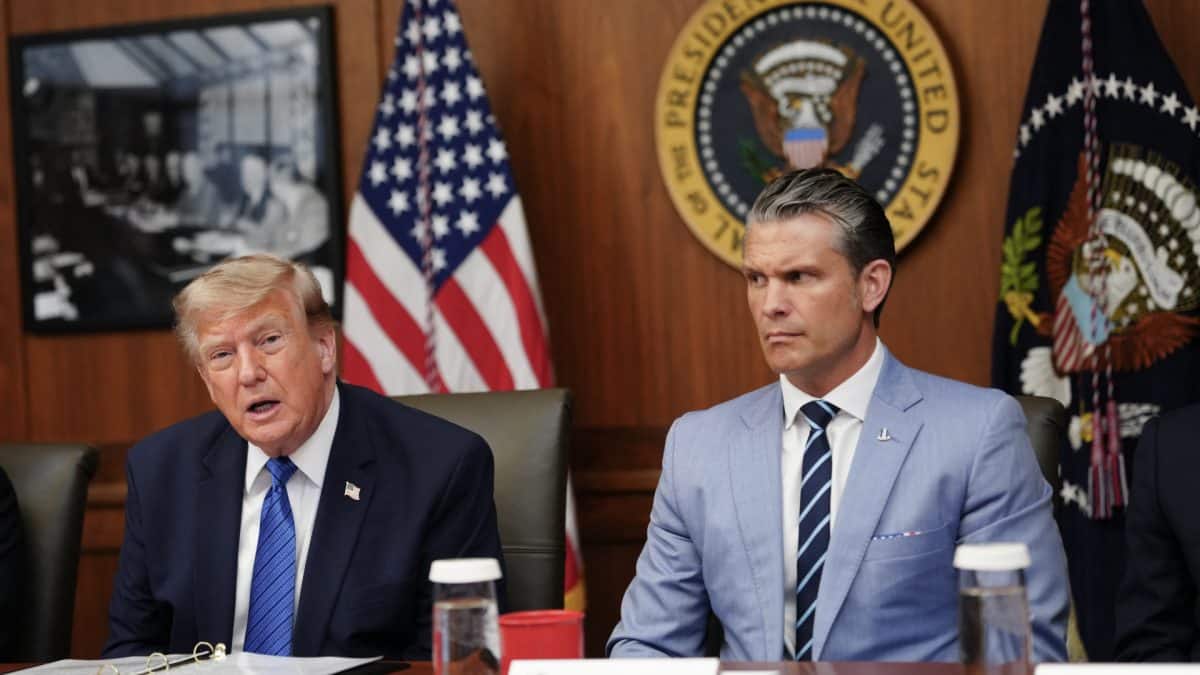
Pentagon Turmoil Deepens as Hegseth Tightens Grip on Military
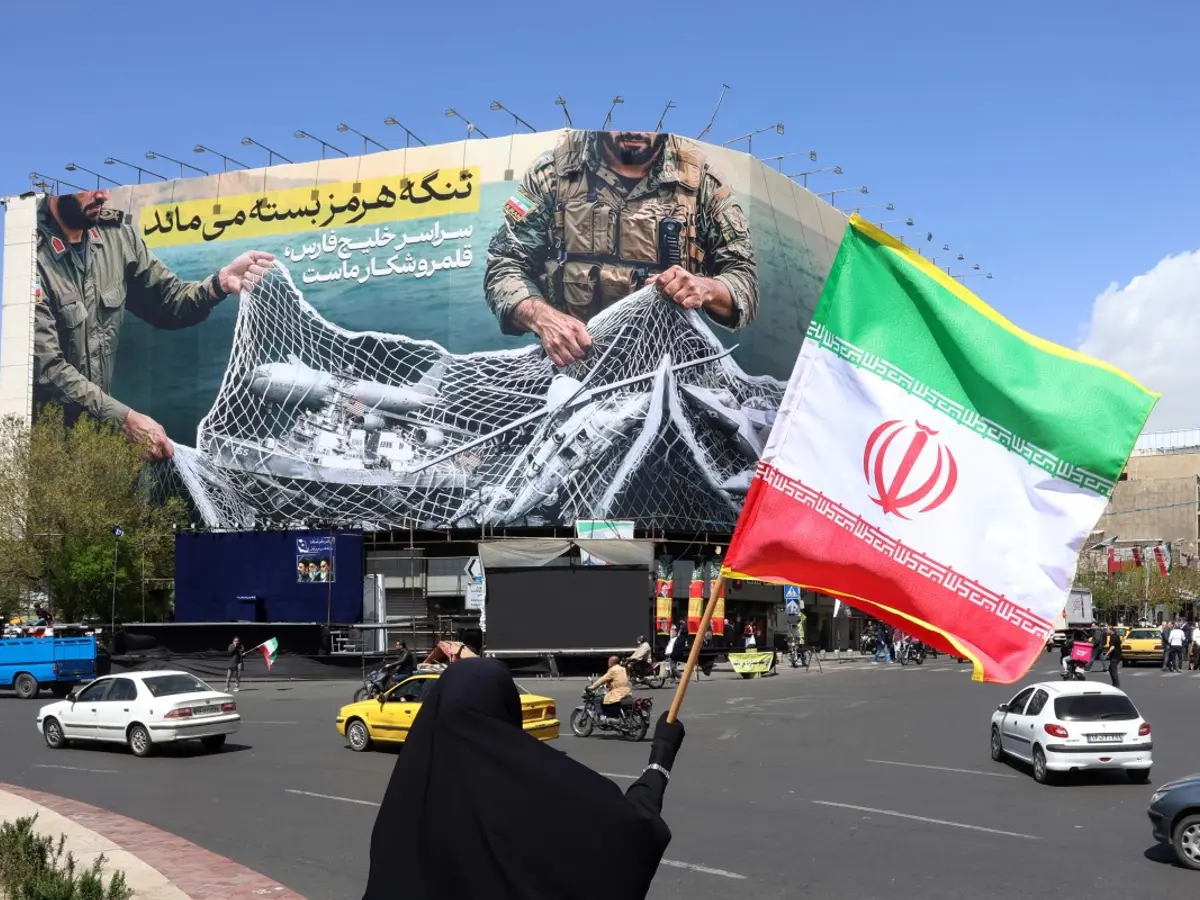
Iran Warns Gulf States Any US Aid Means War Participation
Officer Facing Three Charges After Calling for Trump Impeachment

Ratcliffe's Reported Moscow Visit Raises Questions Amid Stalled Ukraine Talks

US Military Transport Plane Lands in Moscow Amid Uncertainty

US C-17 Lands in Moscow, Mission Remains Unclear