1 hr ago
Why Irdai Reforms Could Help Lower Insurance Commissions

Insurance companies often rely on distributors to reach people who might buy insurance.
These distributors can have a lot of influence over who gets access to buyers.
Insurers compete to work with them, and that can make commissions rise.
The article says customers ultimately pay those costs through their premiums.
It argues that this can make people trust insurance less.
If trust falls, fewer people may choose to buy insurance.
The author therefore welcomes Irdai reforms that could let commissions fall.
The article does not describe the specific reforms.

Insurers compete to attract distributors who control access to potential buyers.
That competition can push distributor commissions higher.
The article says commission costs are ultimately paid through premiums.
The author argues high costs can erode trust in insurance markets.
The article presents lower commissions as a reason to welcome Irdai reforms.
- Who
- Insurers, distributors, and insurance buyers are discussed; the author supports Irdai reforms.
- What
- The article argues that high distributor commissions can raise insurance costs and that Irdai reforms should be welcomed.
- Where
- When
- Why
- The author says commissions are ultimately paid through premiums and can erode trust in insurance markets, potentially reducing uptake.
Key facts
- Market
- Insurance
- Distribution
- Distributors control access to potential buyers.
- Commission effect
- Competition among insurers for distributors can push commissions higher.
- Who bears the cost
- The article says commission costs are ultimately paid out of premiums.
- Potential consequence
- The author argues that high costs may erode trust and plausibly reduce insurance uptake.
- Reforms
- The author argues in favor of Irdai reforms, but the article fragment does not specify their details.
Sources
Related news

IRDAI Proposes Overhaul to Cut Commissions and Mis-selling

IRDAI Distribution Reforms Could Lower Premiums, Reshape Insurance
Insurance Commission Caps Must Protect Consumers Without Shrinking Access

IRDAI Questions High Bank Insurance Payouts and Sales Incentives

IRDAI Proposes Insurance Changes That Could Lower Costs

IRDAI Commission Cuts Set to Reset Insurance Distribution Models
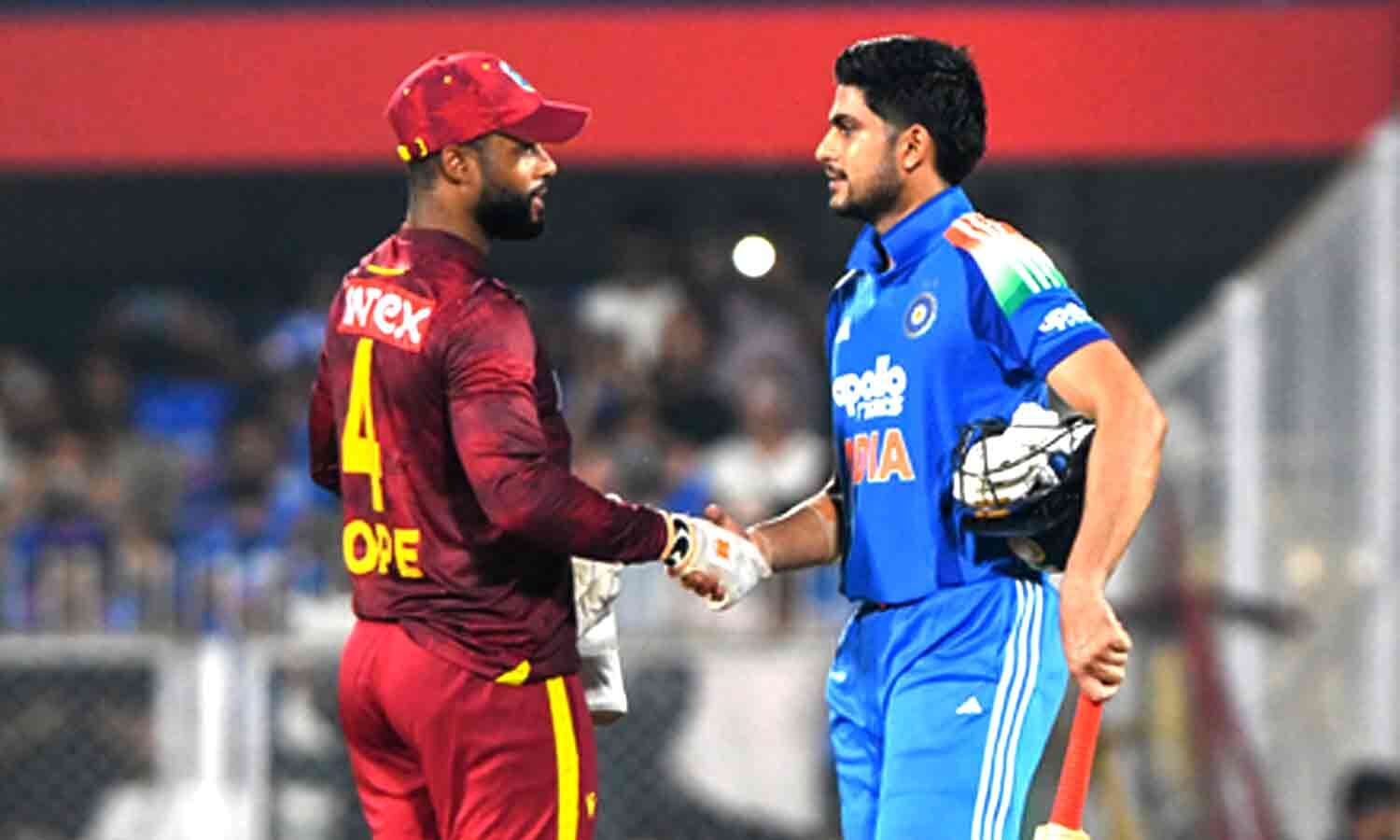
India Seek Bowling Redemption Against West Indies in Final ODI

India Chase West Indies’ 405 Record Total in Guwahati

Shubman Gill’s 223* Powers India’s Record 406-Run ODI Chase

Gill Double Century Powers India’s Record ODI Chase