1 week ago
Telangana High Court Rules on Enrolment, Food Adulteration Cases

The Telangana High Court dealt with two separate legal cases.
In the first case, law graduates were waiting to officially become advocates.
A lower court order had temporarily stopped their enrolment.
The division bench lifted that pause, so the enrolment process can continue.
The larger disagreement about how the enrolment committee was formed will still be decided later.
In the second case, Vikas Agarwal was accused in a fake masala case in Balapur.
He said police should not have used ordinary criminal laws for a food-adulteration matter.
The police said food adulteration is a serious problem and that they were taking firm action.

A Telangana High Court division bench allowed law graduates to enrol as advocates by staying a single judge’s interim order.
The earlier order had paused enrolment by the Telangana State Bar Council’s interim committee until August 31.
Law graduate Kaluva Bhuvana Srija Reddy said the pause threatened her planned oath-taking and professional livelihood.
Vikas Agarwal, an accused in the Balapur fake masala case, asked the High Court to quash criminal proceedings against him.
Agarwal argued that food-adulteration matters must follow the Food Safety and Standards Act, while police defended strict action against offenders.
- Who
- The Telangana High Court, law graduate Kaluva Bhuvana Srija Reddy, the Telangana State Bar Council, and Vikas Agarwal, an accused in the Balapur fake masala case.
- What
- The court allowed advocate enrolments to resume and separately heard a challenge seeking to quash criminal proceedings in a food-adulteration case.
- Where
- The proceedings took place before the Telangana High Court in Hyderabad, with the criminal case concerning Balapur.
- When
- The division bench issued its enrolment order on a Friday; the related single-judge order was dated August 11 and had paused enrolment until August 31.
- Why
- Enrolment was challenged over the committee’s legal constitution, while Agarwal argued that food-adulteration cases must follow the statutory procedure under the Food Safety and Standards Act.
Challengers and Affected Applicants
Authorities and Prosecutors
Law-enrolment committee
Challengers and Affected Applicants
The challenge to the committee argued that its constitution was contrary to Section 58 of the Advocates Act and sought a regular committee.
Authorities and Prosecutors
The enrolment appeal argued that the committee was authorised under the statutory framework and that stopping enrolments harmed applicants’ professional prospects and livelihoods.
Food-adulteration prosecution
Challengers and Affected Applicants
Vikas Agarwal argued that police lacked authority to register and prosecute the case under general penal provisions because the Food Safety and Standards Act provides a specific procedure.
Authorities and Prosecutors
The public prosecutor argued that food adulteration is a serious issue and that police were justified in taking strict action against those involved.
Key facts
- Enrolment decision
- The division bench stayed the single judge’s interim direction and allowed law-graduate enrolments to proceed.
- Enrolment appellant
- Kaluva Bhuvana Srija Reddy filed the appeal after her enrolment process was halted.
- Scheduled oath
- Srija Reddy said she had submitted her application on July 27 and was scheduled to take the oath on August 13.
- Pending dispute
- The single judge is still considering the challenge to the constitution of the interim enrolment committee.
- Food-case petitioner
- Vikas Agarwal, identified as the fourth accused, sought quashing of the criminal proceedings.
- Court direction
- Justice J. Sreenivas Rao directed the police to submit their contentions in Agarwal’s petition.
- Police position
- The public prosecutor said food adulteration had become a serious issue and defended strict police action.
Sources
Related news

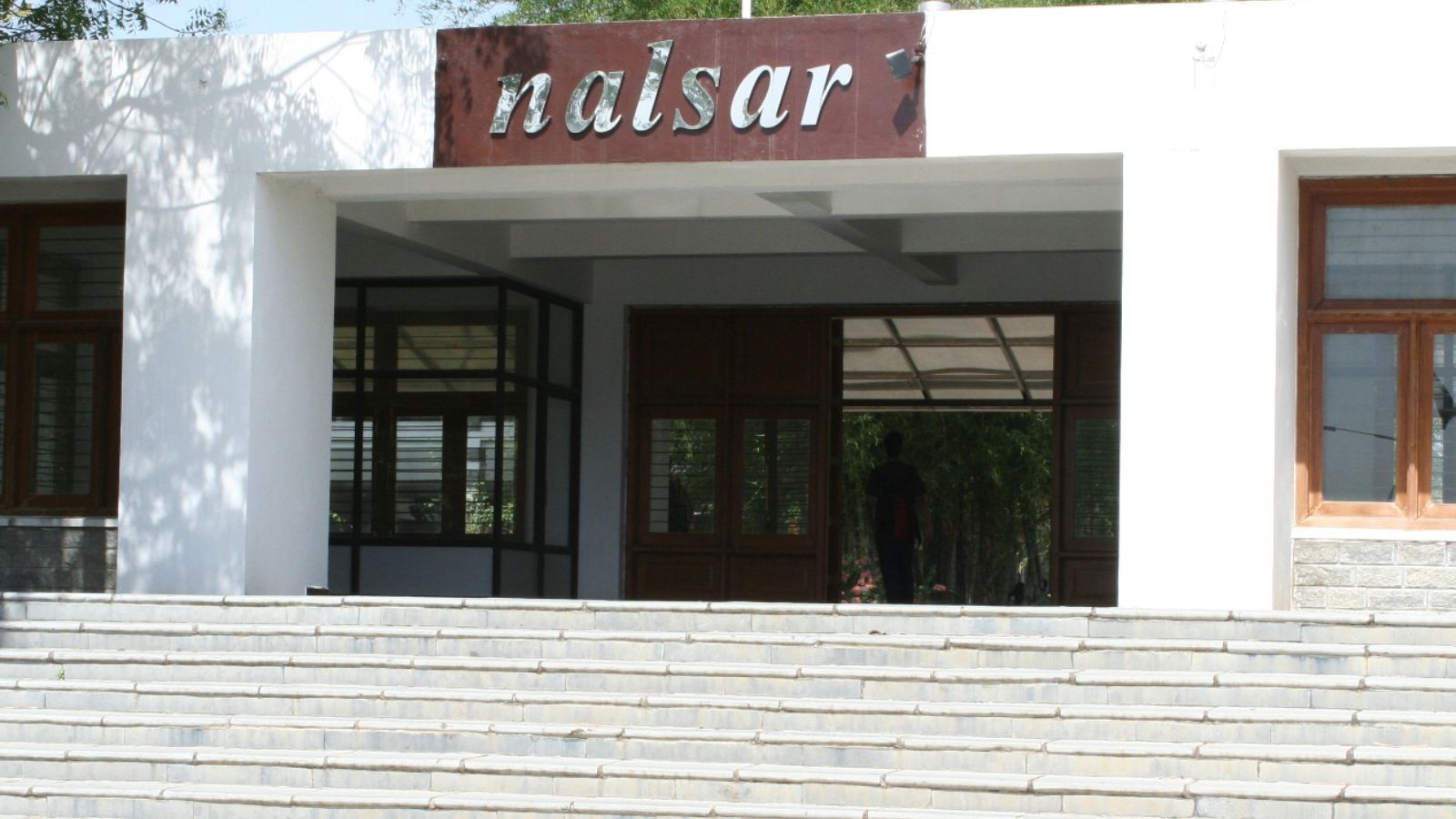
Bar Council lifts NALSAR 2026 enrolment freeze after uproar
Bar Council withdraws NALSAR enrolment freeze after CJI criticism
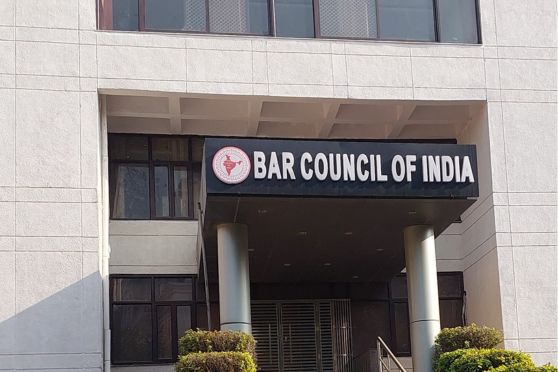
Bar Council Halts, Then Lifts NALSAR Graduate Enrolment Ban
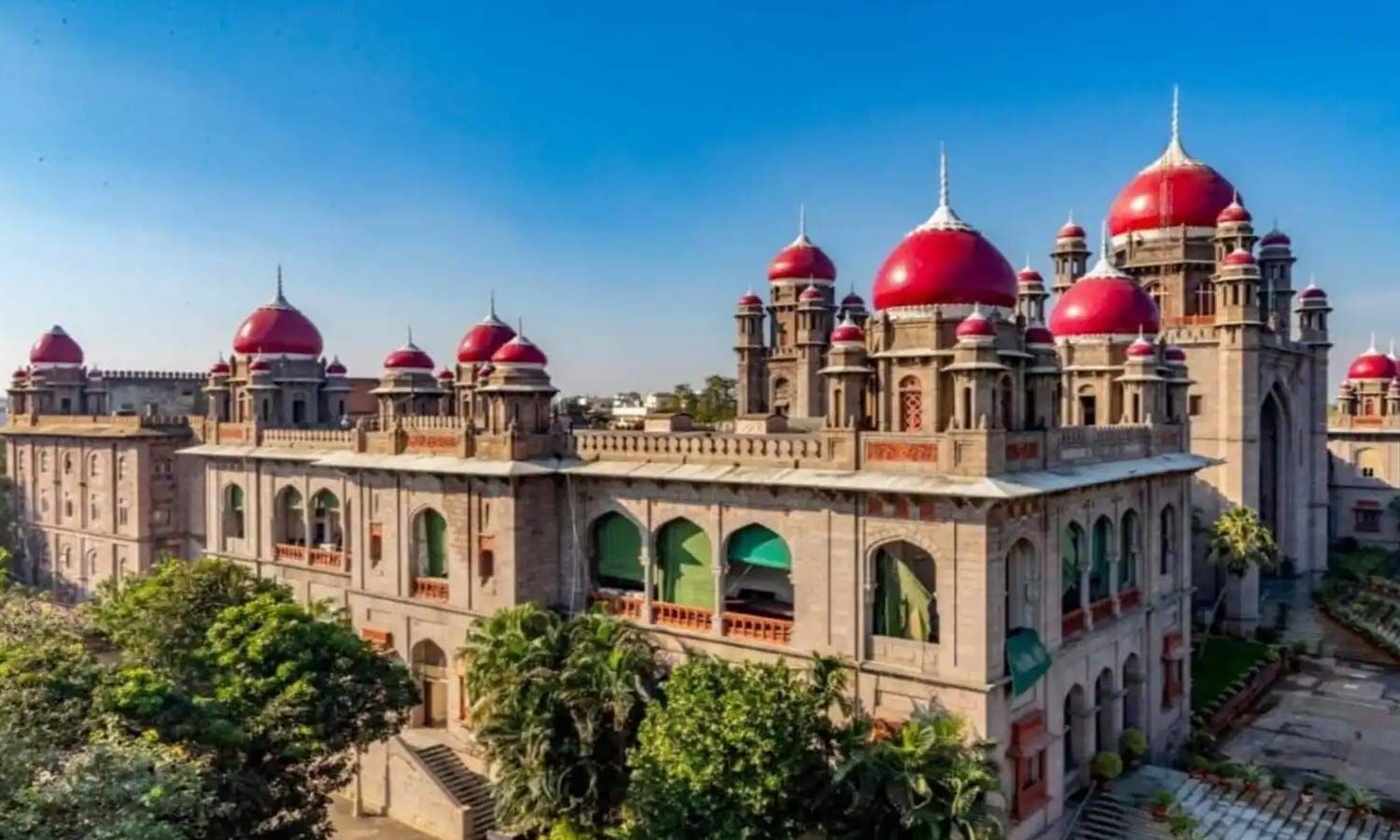
Telangana High Court Advances Welfare Appeal, Delays Other Cases

CJI defends NALSAR students' protest right, slams Bar Council ban
CJI Slams Bar Council's NALSAR Enrolment Suspension As 'Uncalled For'
GHMC Coordinates Citywide Preparations for Hyderabad Ganesh Utsav Festival

Rohingya Man Stabbed 19 Times in Hyderabad