4 days ago
Where Flowers, Memory, and Queer Experience Keep Counsel

This art exhibition uses flowers and plants in many of its pictures.
The plants can suggest touch, privacy, shelter, attraction, and experiences of the body.
The artist also uses memories of games and ordinary objects such as marbles, paper, thread, and spinning tops.
These objects are changed through drawing, repetition, colour, and size.
The pictures show how people stand near or far from one another.
They also explore how identity can be communicated through gestures and familiar things.
Queer experience is part of the artist’s life and artistic language.
The exhibition can be visited at Gallerie Splash in Gurgaon from 22 August to 15 September 2026.

Where the Flowers Keep Their Counsel is curated by Satyajit Dave at Gallerie Splash in Haryana, India.
The exhibition enlarges and isolates flowers while using leaves, vines, trees, branches, and roots to organise images.
Works draw on memory, childhood games, everyday objects, gesture, repetition, colour, and spatial arrangement.
The exhibition explores relationships among people, objects, environments, visibility, proximity, and recognition.
The exhibition runs from 22 August to 15 September 2026, from 11:00 AM to 7:00 PM.
- Who
- Artist Aishwaryan, with the exhibition curated by Satyajit Dave.
- What
- An exhibition of drawings and related works examining plants, memory, play, relationships, and identity.
- Where
- Gallerie Splash, 87 F, Sector 53, Golf Course Road, Gurgaon, Haryana, India, 122011.
- When
- 22 August to 15 September 2026, with visiting hours from 11:00 AM to 7:00 PM.
- Why
- To present a substantial body of Aishwaryan’s work and explore how drawing, personal memory, everyday environments, and identity are connected.
Key facts
- Exhibition
- Where the Flowers Keep Their Counsel
- Curator
- Satyajit Dave
- Venue
- Gallerie Splash
- Dates
- 22 August–15 September 2026
- Opening hours
- 11:00 AM–7:00 PM
- Address
- 87 F, Sector 53, Golf Course Road, Gurgaon, Haryana, India, 122011
- Themes
- Plants, memory, childhood games, relationships, visibility, and queer experience
Sources
Related news
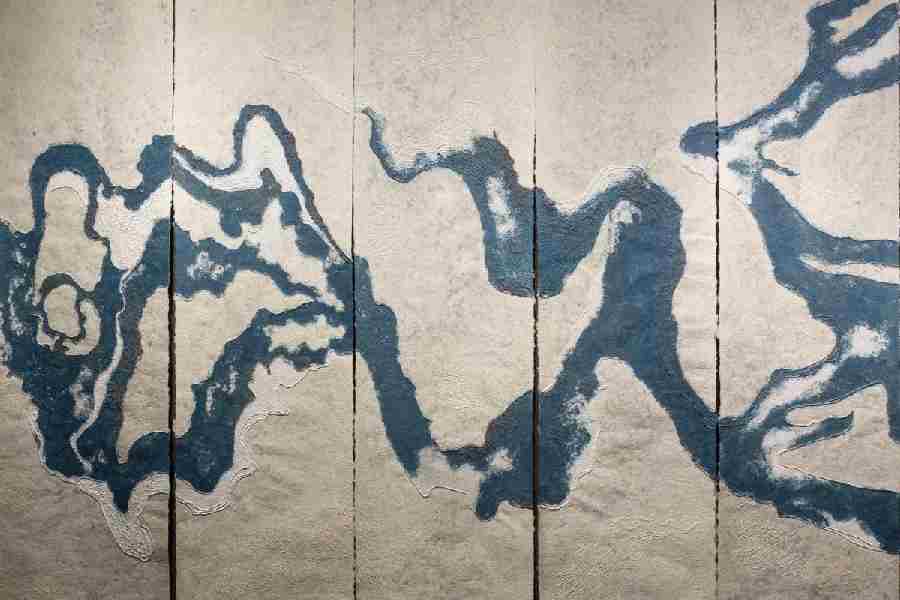
Ruma Choudhury’s Paper Works Explore Nature at Emami Art
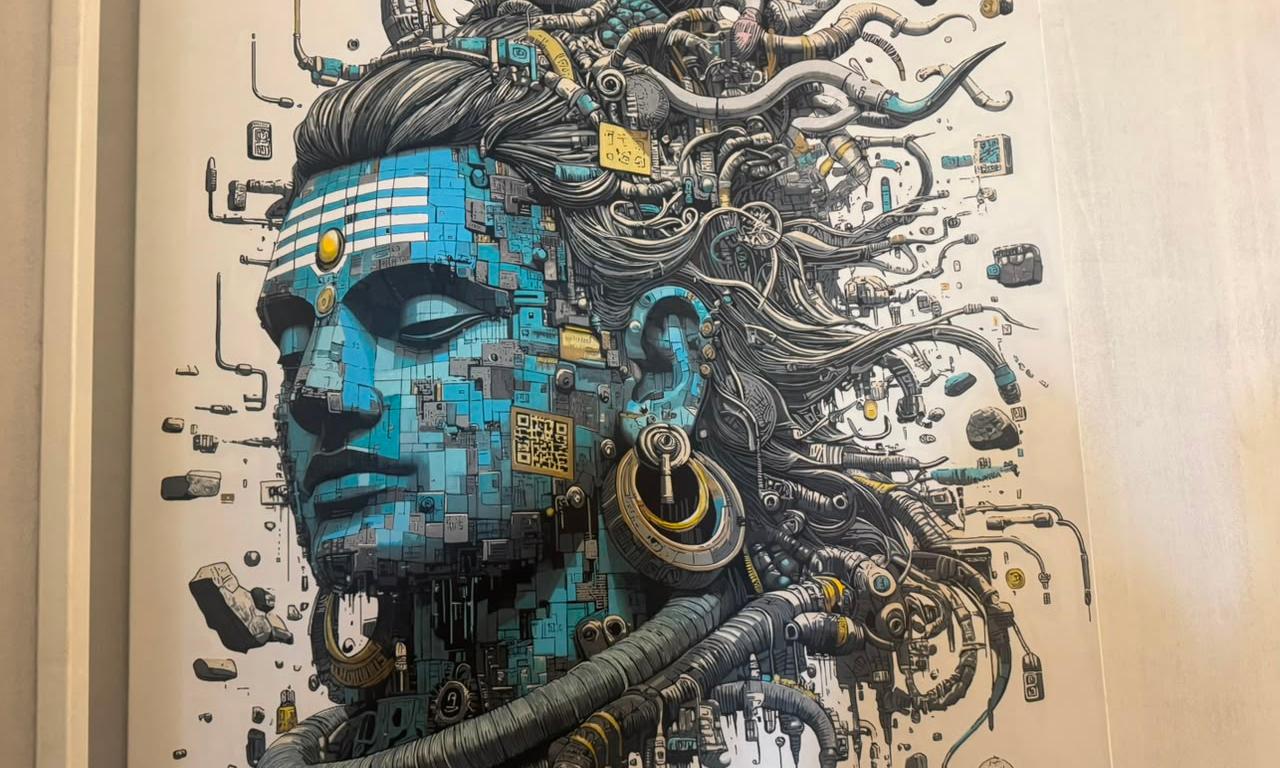
Annapurna Madipadiga Opens New Fluid, Conversation-Focused Art Gallery

Weekly planner: quantum exhibition, film festival, and jazz gala
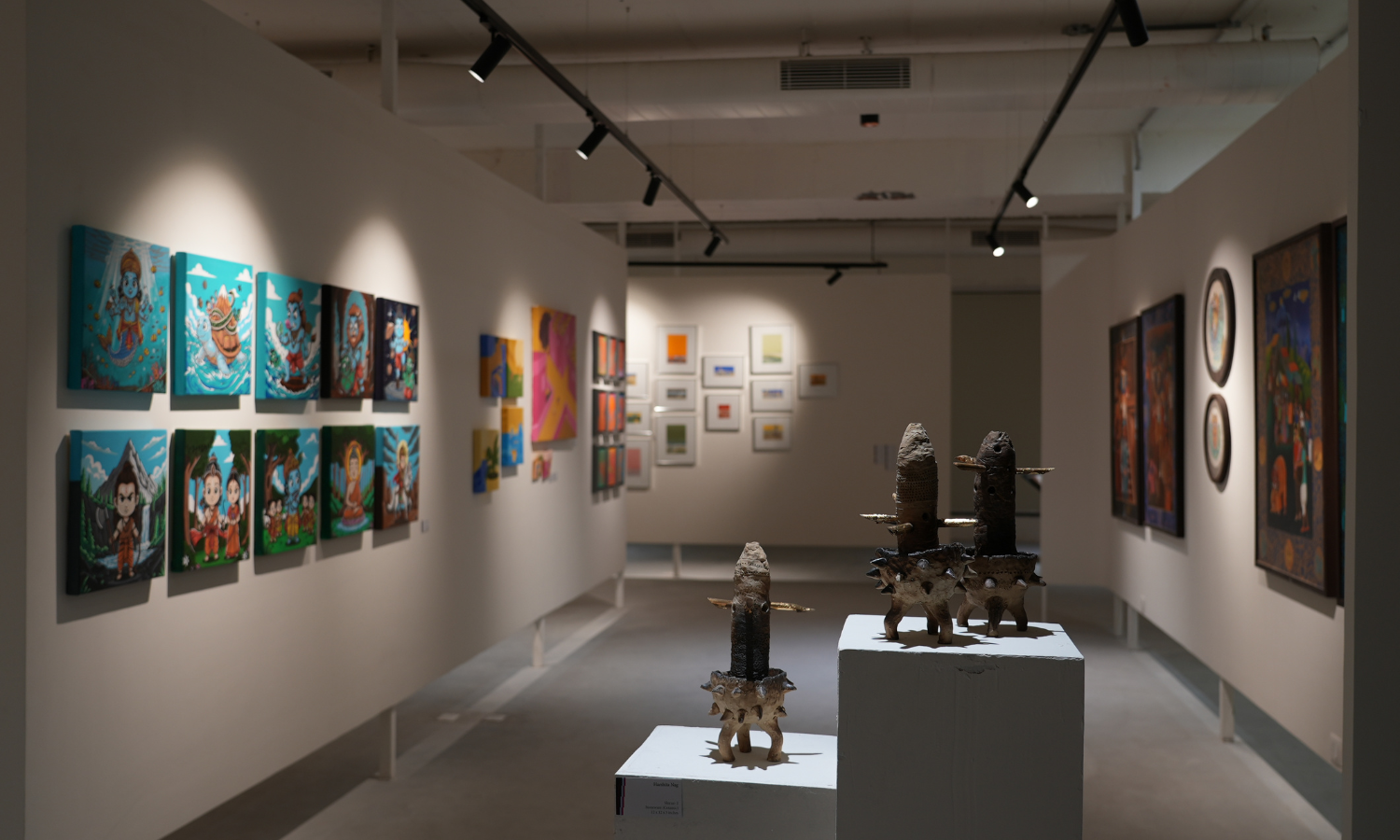
EkChitra Opens Expansive Multidisciplinary Art Gallery in Hyderabad
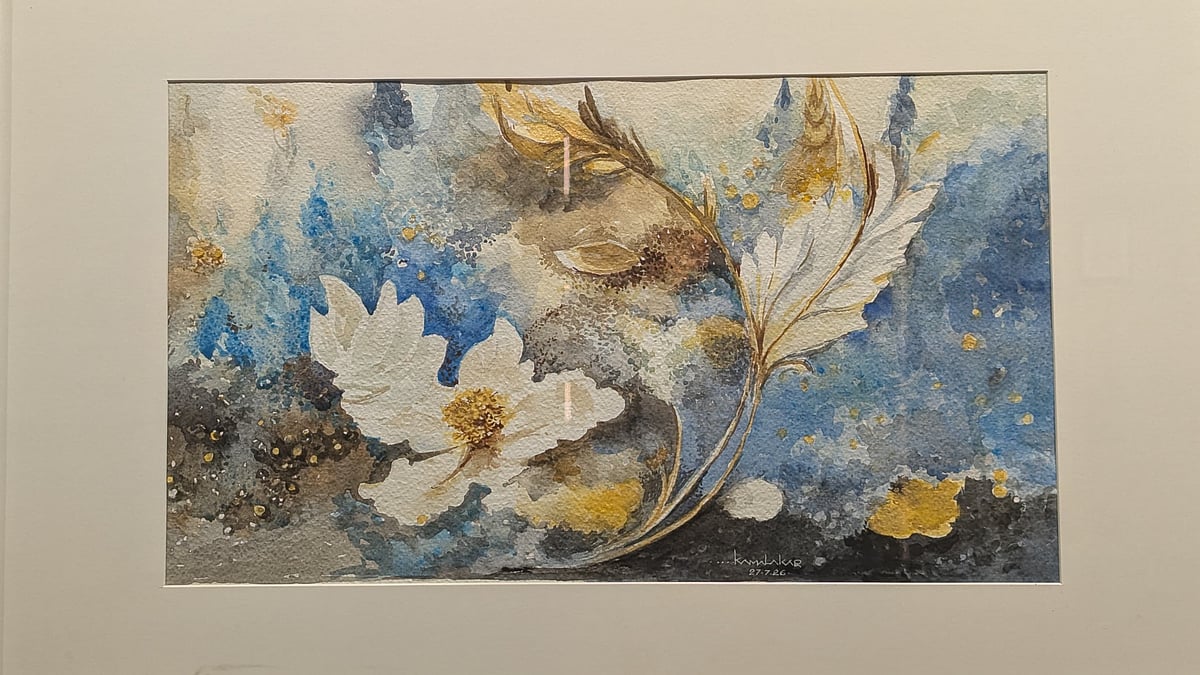
Kamlakar Dixit Presents Quiet Watercolour Exhibition In Mumbai

Sharma and Malik share halfway lead at Telangana Golconda Masters

Gurgaon CEO’s Sleep Debate Challenges India’s Early-Rising Expectations
Gurugram Fake Call Centre Targeting US Citizens Busted, 11 Arrested

Sheoran And Sharma Share Course-Record Lead At Golconda Masters

POWERGRID AGM Highlights Network Growth and Technology Plans