

3 hrs ago
Across Asia, Burgers Become Local Formats, Flavors, and Traditions
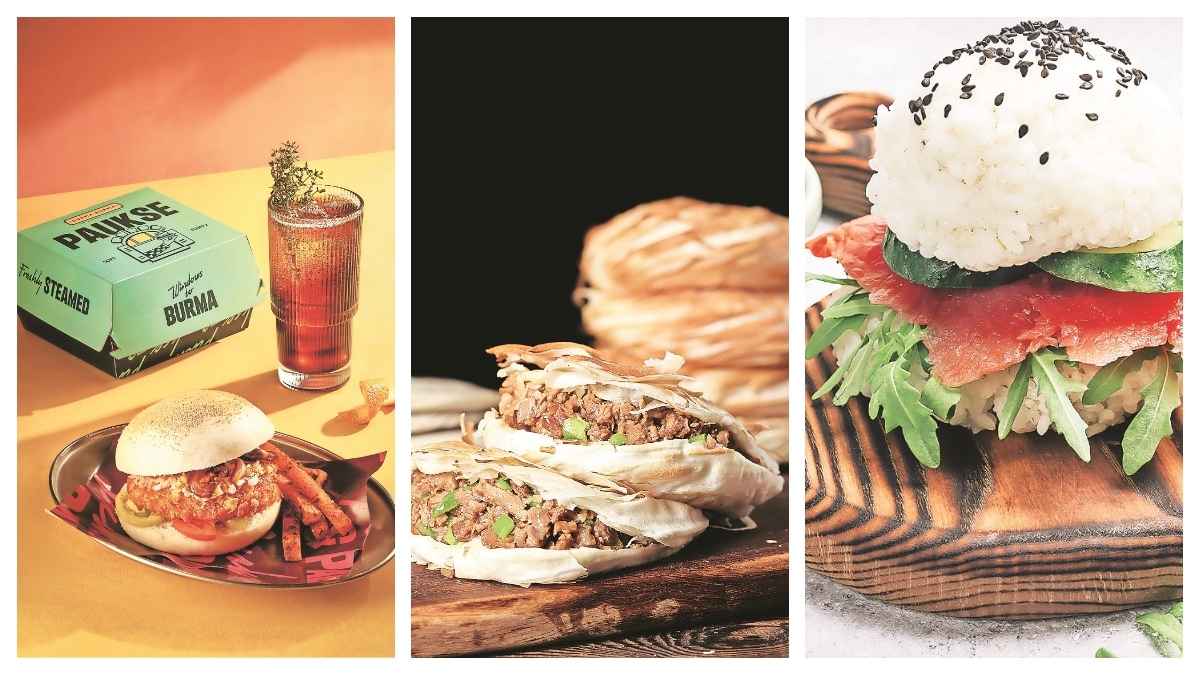
A burger does not have to use the same bun and meat everywhere.
Across Asia, people change the burger to match local foods and tastes.
In Japan, rice patties can replace the bun.
In China, meat is placed inside a wheat flatbread.
Korea adds foods such as kimchi and bulgogi.
Turkey has a soft burger covered in tomato sauce and steamed.
India uses fillings such as spiced potato, paneer, vegetables, and chicken.
These examples show that the burger is a flexible food format rather than one fixed recipe.

Asian burgers use rice, flatbreads, steamed buns, and local breads instead of conventional wheat buns.
China’s Roujiamo fills a wheat flatbread with slow-cooked seasoned meat, while Kaoya Roujiamo uses roast duck.
Korean, Southeast Asian, and Turkish versions add ingredients such as kimchi, gochujang, rendang, sambal, and tomato sauce.
Burmese tea-shop staples PaukSe and Palata have inspired menu items at the restaurant chain Burma Burma.
India adapted the burger with aloo tikki, paneer, vegetable, and chicken fillings, as well as chutneys and regional spices.
- Who
- Cooks, restaurants, and food cultures across Asia, including Japan, China, Korea, Burma, and India.
- What
- Asian cuisines have adapted the burger format with local breads, fillings, sauces, and flavors.
- Where
- Across Asia, including Japan, China, Turkey, Korea, Southeast Asia, Burma, and India.
- When
- Over time; the article does not give a specific date.
- Why
- To adapt a globally familiar food to local ingredients, culinary traditions, and consumer preferences.
Key facts
- Japanese version
- Uses compacted rice patties instead of a conventional wheat bun.
- Chinese versions
- Roujiamo uses slow-cooked seasoned meat in wheat flatbread; Kaoya Roujiamo uses roast duck.
- Turkish version
- Islak Hamburger is coated in tomato sauce and steamed.
- Korean flavors
- Common additions include kimchi, gochujang, bulgogi, and Korean fried chicken.
- Burmese breads
- PaukSe is a steamed bun, while Palata is a flaky flatbread commonly associated with tea-shop culture.
- Indian adaptation
- Burgers commonly use aloo tikki, paneer, vegetable, or chicken fillings with chutneys and regional spices.
- Street-food parallel
- Vada Pav combines pav, a potato vada, and garlic, green, and tamarind chutneys.
Quotes
Ankit Gupta
Co-founder of Burma Burma
“PaukSe and Palata were chosen because they are an integral part of Burma’s everyday tea shop culture — simple, comforting breads traditionally enjoyed with curries, tea and conversations.”
 financialexpress.com
Sources
Related news

Six Indian Samosas Show How One Snack Breaks Every Rule
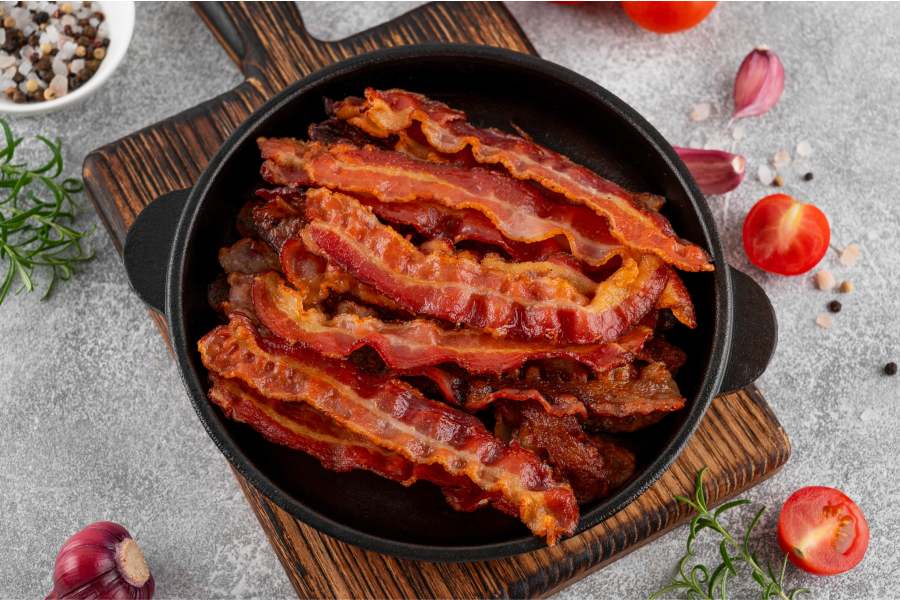
Five Indian Classics Get a Smoky Bacon Makeover

Honk’s New Delhi Menu Preserves Five Asian Cuisines’ Distinct Flavours

Thai Master Explains How Cuisine Travels Without Losing Authenticity
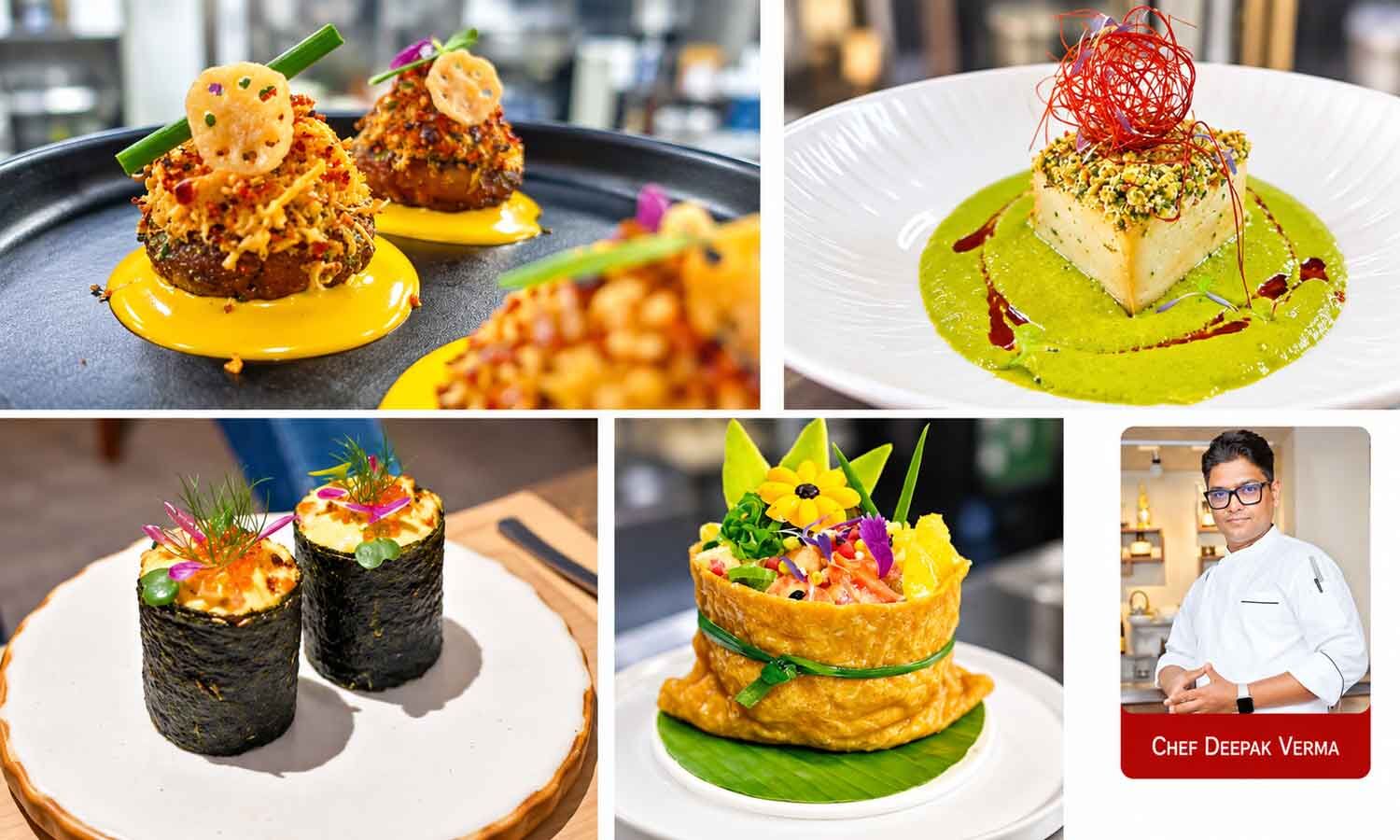
Asian Cuisine Becomes a Global Force in Dining
India’s Food Wars Ignore Its Diverse Vegetarian and Non-Vegetarian Traditions

Telangana Politics Spotlight Land Claims, Officials and Electoral Roll Fears

England Reclaim No. 1 T20I Ranking After Sri Lanka Sweep

India-Pakistan Cricket Tensions Leave Asia Cup Trophies Unclaimed

Sona College Team Wins Global Mitsubishi Factory Automation Contest
