

1 hr ago
India-Pakistan Cricket Tensions Leave Asia Cup Trophies Unclaimed
India won the men’s and women’s Asia Cup tournaments but did not take the trophies during the ceremonies.
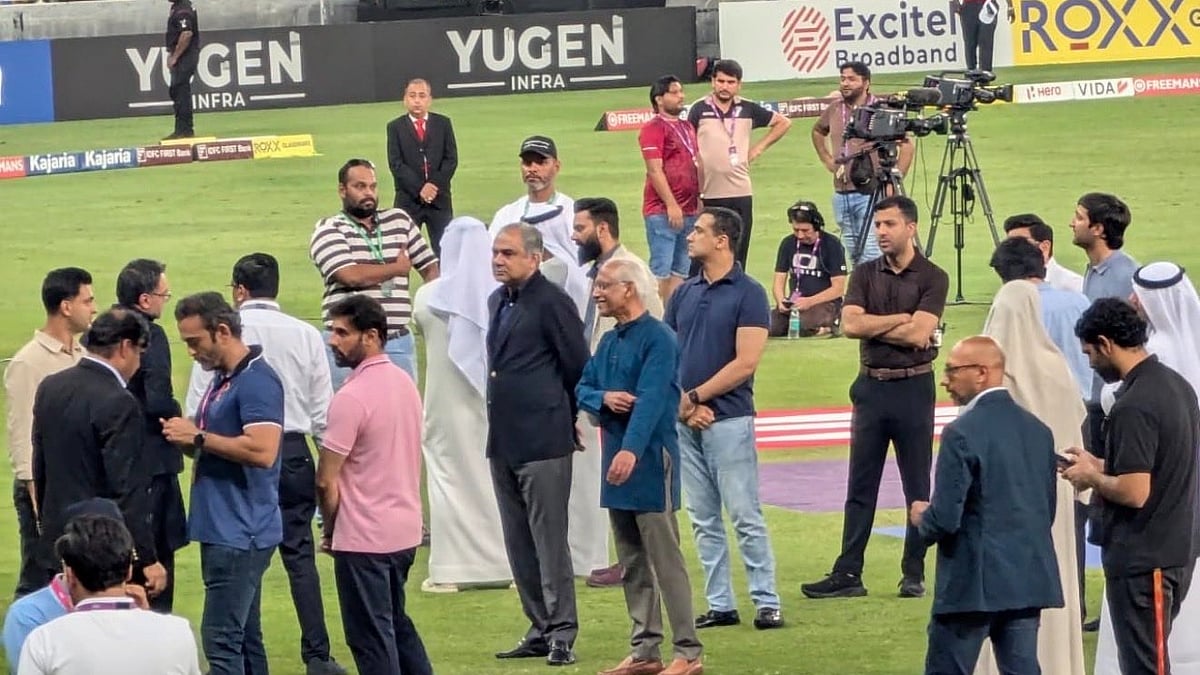
The trophies were to be presented by Mohsin Naqvi, who leads the Asian Cricket Council and Pakistan Cricket Board and is Pakistan’s interior minister.
India’s cricket officials and players did not want to appear with him because relations between India and Pakistan are tense.
The teams also skipped handshakes and had very little friendly interaction during the games.
Some players made gestures and celebrations connected to the military conflict between the countries.
The article says this behavior made the celebrations less joyful for Indian fans.
India and Pakistan still play each other because their matches are commercially important.
The writer believes players and officials should stop adding to the hostility while the sporting relationship continues.

India declined to accept the men’s and women’s Asia Cup trophies from Mohsin Naqvi, the Asian Cricket Council chief.
The decision followed heightened tensions between India and Pakistan after the Pahalgam massacre and Operation Sindoor.
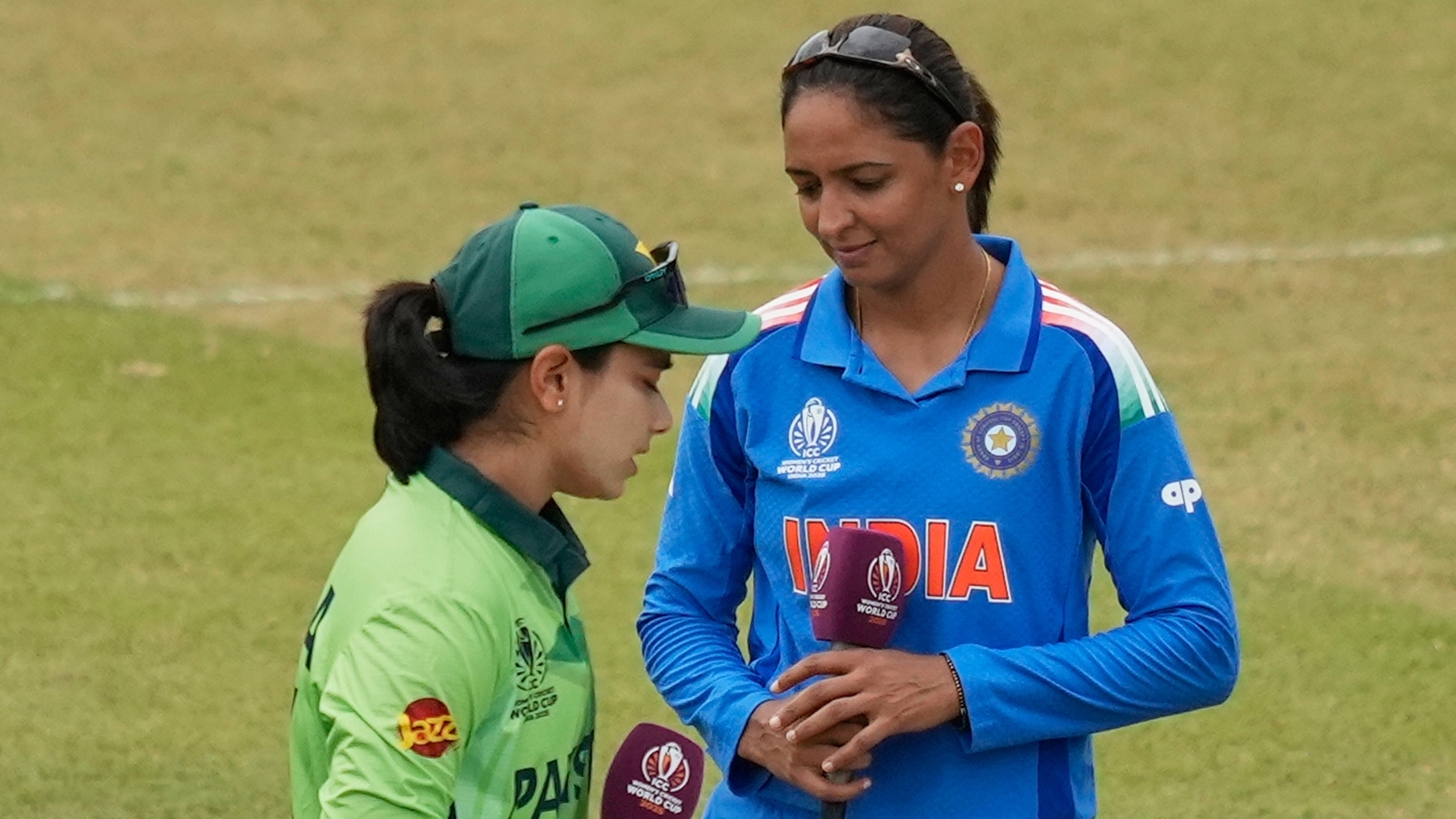
India and Pakistan players avoided handshakes and other customary interactions during recent Asia Cup matches.
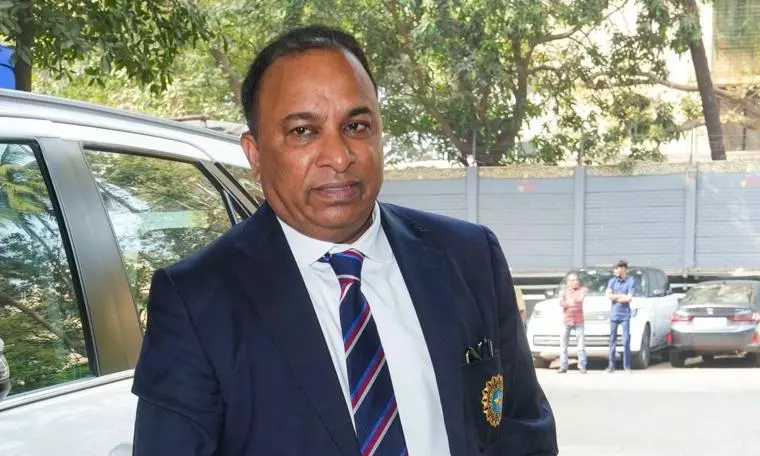
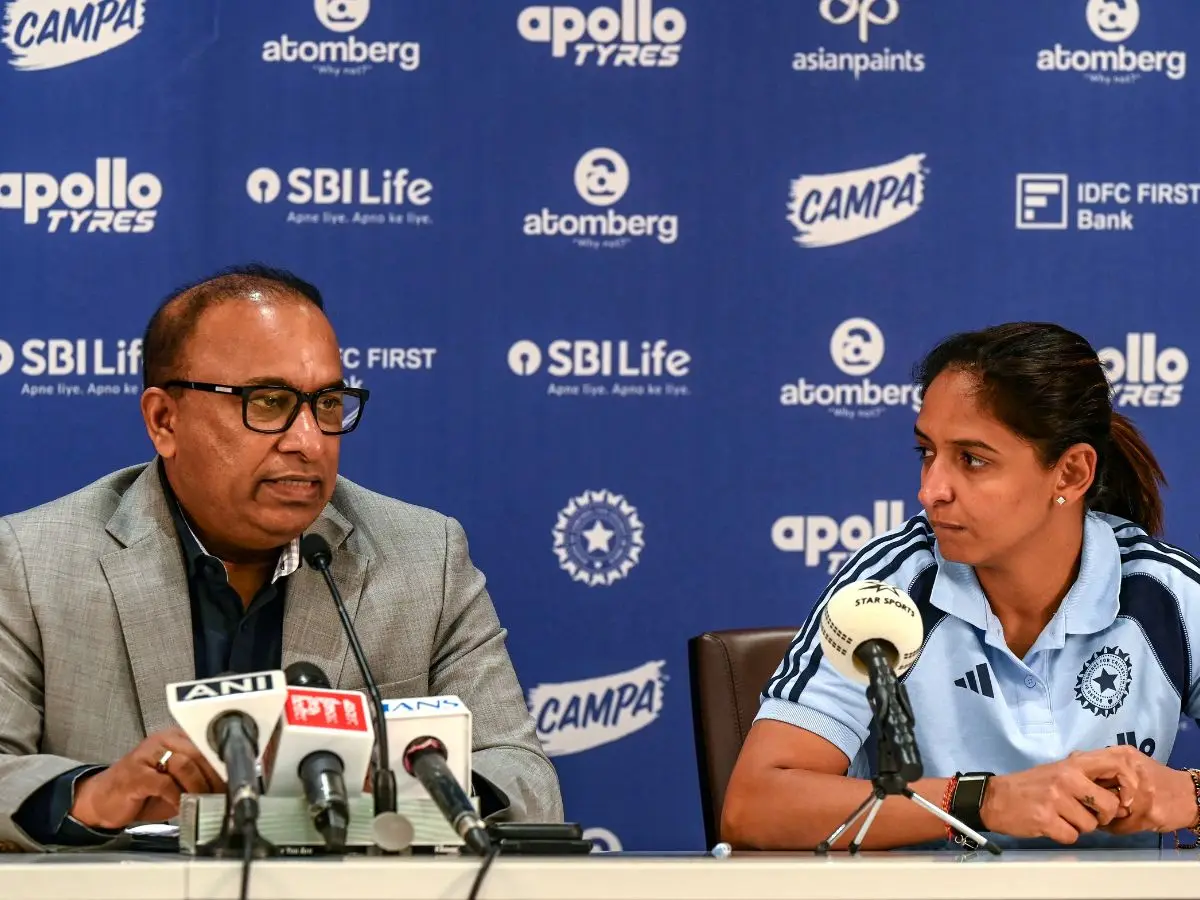
BCCI secretary Devajit Saikia said the policy reflected prevailing circumstances and public sentiment but did not explain how India would receive the trophies.
The article argues that cricket authorities should avoid exploiting political hostility while continuing commercially valuable India-Pakistan matches.
- Who
- The Indian cricket teams, the Board of Control for Cricket in India, Mohsin Naqvi, and Pakistan’s cricket teams and officials.
- What
- India declined to accept two Asia Cup trophies from Naqvi, while players and officials avoided handshakes and other customary interactions with Pakistan.
- Where
- The women’s final took place in Dubai; the article also discusses future encounters at the Asian Games in Japan.
- When
- The issue followed the men’s Asia Cup last year and resurfaced after the women’s Asia Cup final played on Sunday.
- Why
- The Indian side cited prevailing circumstances and public sentiment amid tensions following the Pahalgam massacre and Operation Sindoor.
Critics of the Current Approach
Defenders of the Current Approach
Trophy acceptance
Critics of the Current Approach
Refusing the trophies deprived Indian players and supporters of a normal celebration and reduced the achievement to a later formal presentation.
Defenders of the Current Approach
Avoiding a presentation involving a senior Pakistani official symbolically reflected India’s position during a period of heightened bilateral tension.
Handshakes and player conduct
Critics of the Current Approach
The no-handshake policy is portrayed as hypocritical because Indian and Pakistani athletes in other sports, including hockey, have shaken hands.
Defenders of the Current Approach
Supporters of the policy may view visible distance between the cricket teams as consistent with prevailing circumstances and national sentiment.
Continuing matches
Critics of the Current Approach
Continuing commercially profitable matches while displaying hostility is described as cynical and as feeding political tension for entertainment value.
Defenders of the Current Approach
The article notes that India-Pakistan matches continue in multilateral tournaments because of commercial importance and ongoing sporting commitments.
Key facts
- Trophies involved
- India won the men’s and women’s Asia Cup trophies but did not receive them during the ceremonies.
- Presenter
- Mohsin Naqvi represented the Asian Cricket Council during the trophy presentations.
- Indian explanation
- BCCI secretary Devajit Saikia said the decision reflected prevailing circumstances and sentiment.
- Recent final
- The women’s Asia Cup final was played between India and Sri Lanka in Dubai.
- Match conduct
- There were no handshakes between captains at the toss or between players after the matches described.
- Continuing rivalry
- India and Pakistan continue to meet in multilateral competitions, partly because the matches are commercially valuable.
- Future competition
- India and Pakistan are expected to encounter each other at the Aichi-Nagoya Asian Games in Japan.
Sources
Related news

India Wins Asia Cup but Rejects Trophy Presentation
India’s Cricket Handshake Policy Sparks Debate Over Patriotism

India’s Women’s Asia Cup Win Overshadowed by Naqvi Trophy Snub
India Women Win Asia Cup Amid Trophy Presentation Row

India Women Decline Asia Cup Trophy Presentation From Naqvi
India Declines Women’s Asia Cup Trophy From Mohsin Naqvi
Saikia Says Asia Cup Trophies Will Reach BCCI Headquarters

BCCI Expects Missing Asia Cup Trophies Eventually
Diana Edulji Urges Smriti Mandhana to Replace Harmanpreet Kaur

Smriti Mandhana’s Power Game Sets New Women’s Cricket Benchmark
