

2 hrs ago
Asian Cuisine Becomes a Global Force in Dining
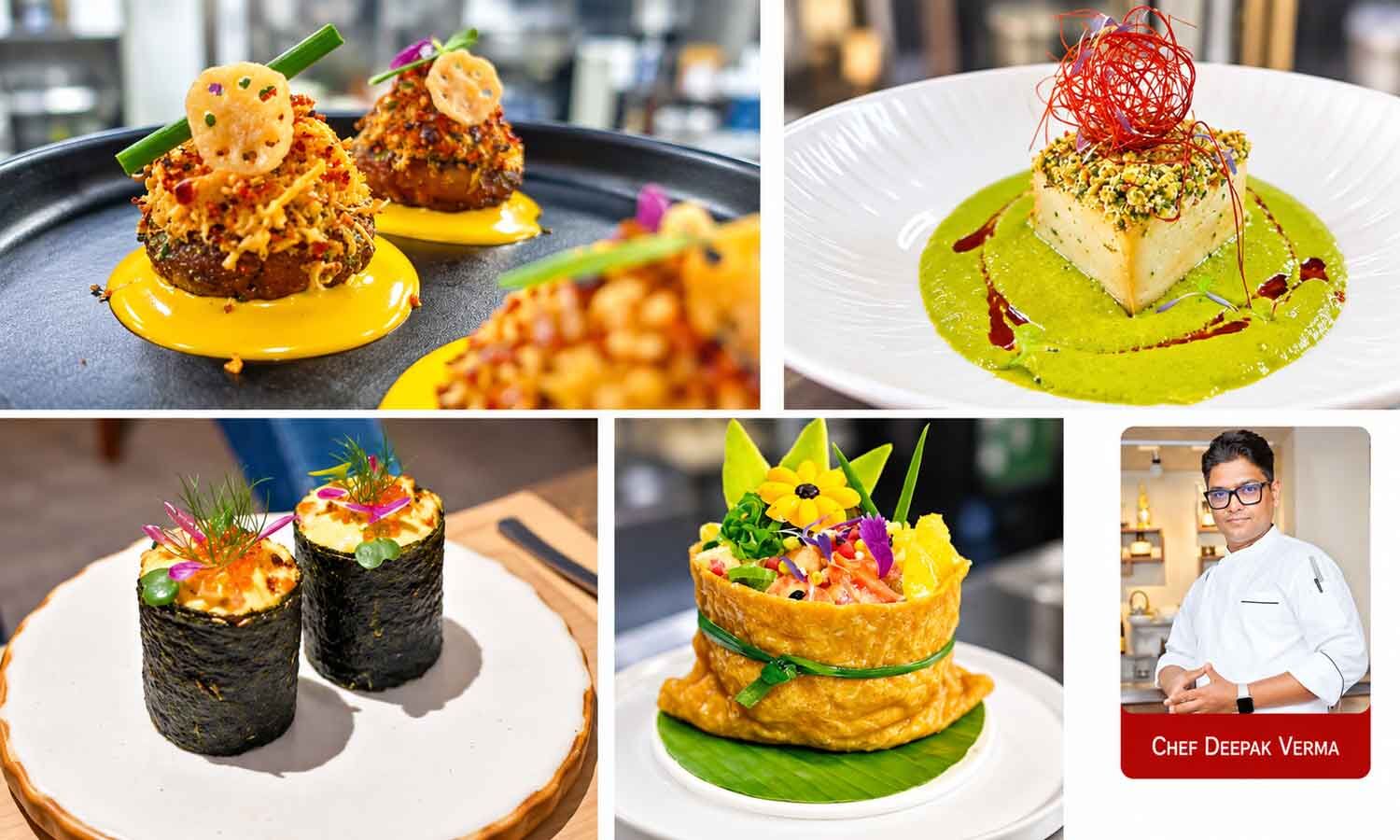
Asian food is becoming more popular in restaurants around the world.
People are trying more than just Chinese food, sushi and Indian curries.
They are also discovering Korean, Thai, Vietnamese, Japanese, Filipino, Indonesian and regional Indian dishes.
Many diners enjoy Asian food because it combines bold flavors such as sweet, sour, salty, spicy and umami.
Street foods like dumplings, noodles, bao and banh mi are now available in many countries.
Some people also like Asian dishes because they often include vegetables, herbs, rice, seafood and fermented ingredients.
Travel, social media and cultural exchange have helped people learn about these foods.
Chefs are introducing traditional recipes in new ways while trying to keep their cultural identity.
The article says Asian cuisine will continue influencing how the world eats.

Asian cuisine is moving from a niche category into mainstream global food culture.
Consumers are exploring Korean, Thai, Vietnamese, Japanese, Filipino, Indonesian and regional Indian cuisines.
Bold flavors, authentic ingredients and diverse culinary traditions are driving demand.
Asian street foods such as bao, momos, satay, banh mi, noodles and dumplings are spreading internationally.
Health-conscious dining, culinary innovation and interest in regional authenticity are expected to shape future growth.
- Who
- Consumers, chefs, restaurateurs and the global food and beverage industry are driving the growth of Asian cuisine.
- What
- Asian cuisine is gaining mainstream international popularity and influencing global dining.
- Where
- Across international markets, restaurants, food halls, hospitality venues and street-food concepts worldwide.
- When
- The article describes a current trend and its expected future development.
- Why
- Growing interest in authentic and diverse flavors, international travel, cultural exchange, social media, casual dining and health-conscious food is increasing demand.
Key facts
- Global trend
- Asian cuisine has expanded from an ethnic or niche category into mainstream global food culture.
- Cuisines gaining attention
- Korean, Thai, Vietnamese, Japanese, Filipino, Indonesian and regional Indian cuisines are increasingly recognized internationally.
- Popular ingredients
- Gochujang, miso, kimchi, lemongrass, soy sauce and chili oils are becoming familiar outside Asia.
- Popular street foods
- Bao, momos, satay, banh mi, noodles and dumplings are appearing in international dining venues.
- Consumer preferences
- Diners are seeking authenticity, diverse culinary experiences and bold, memorable flavors.
- Health appeal
- Fresh vegetables, herbs, rice, seafood, fermented ingredients and plant-forward dishes support demand among health-conscious consumers.
- Future outlook
- Regional authenticity, culinary innovation and lesser-known Asian food traditions are expected to drive further growth.
Sources
Related news

India's Condiment Boom Leaves Shoppers Spoilt, Confused and Overwhelmed
US Snack Detective Says Indian Food Ruined Other Cuisines

Tandoor's Global Rise From Indian Kitchens to Fine Dining

Indian Chefs Shift from Fine Dining to Experiential Dining Experiences

Foreigner Says Indian Food Changed His Taste for Cuisines

Gujarat’s changing food market attracts national and global brands

Ancy Sojan Wins Long Jump, Targets Asian Games Gold

Delhi Hosts BRICS Summit as Traffic Restrictions Take Effect

Himachal Pradesh Plans Bigger Planes and More Heliports

Centre Amends E-Commerce Rules to Curb Dark Patterns

Putin, Xi and Pezeshkian Set for New Delhi BRICS Summit
