1 hr ago
Europe’s Far-Right Rise Is Patchy, Funded, and Reversible

Europe’s far-right parties have been gaining support for about two decades, rather than appearing suddenly.
They won an important election in Saxony-Anhalt and gained seats in the European Parliament.
But they have also lost elections in Hungary, France, and Slovenia.
The article says Russia has secretly supported some far-right politicians and campaigns.
It also says the United States has provided or planned funding for conservative groups and media.
Economic problems such as inflation, low wage growth, housing shortages, and deindustrialisation have made many people anxious.
Some politicians have connected these worries to immigration and identity.
Overall, the article describes an “illiberal pendulum” in which the far right advances, then the political centre temporarily recovers.

The European far right has expanded gradually, with its European Parliament seat share rising from 8.7% in 2004 to 18% in 2019.
The AfD won a major victory in Saxony-Anhalt, while far-right groups Patriot for Europe and the European Conservatives increased their European Parliament representation.
Far-right forces have also suffered defeats, including Viktor Orbán’s allies in Hungary and right-wing parties in France and Slovenia.
The article cites Russian operations, loans, and disinformation campaigns, alongside US funding for conservative causes and right-wing media in Europe.
Economic insecurity, immigration anxiety, identity politics, and institutional distrust are described as major drivers of an uneven electoral cycle.
- Who
- European far-right parties, centre-right and centre-left parties, Russia, the United States, and European voters are central to the article.
- What
- The article examines Europe’s uneven far-right growth, its foreign support networks, and electoral setbacks for right-wing parties.
- Where
- Across Europe, including the European Parliament, Saxony-Anhalt in Germany, Hungary, France, Slovenia, and the Czech Republic.
- When
- The trend is described as developing over roughly two decades, with examples from 2004–2019 and more recent elections in 2026.
- Why
- Economic insecurity, immigration anxiety, identity politics, distrust in institutions, and alleged Russian and US efforts to influence European politics are cited as contributing factors.
Far-right momentum and external influence
Centre-ground resistance and domestic causes
Is the shift uniform?
Far-right momentum and external influence
The far right has expanded its European Parliament representation and recently won a major victory in Saxony-Anhalt.
Centre-ground resistance and domestic causes
The pattern is not monolithic: far-right forces lost in Hungary, while centrist and left parties won in French cities and Slovenia.
What is driving support?
Far-right momentum and external influence
Russian and US-linked funding, media activity, and disinformation are described as amplifying populist and far-right movements.
Centre-ground resistance and domestic causes
The article also attributes support to domestic pressures, including inflation, stagnant wages, inequality, deindustrialisation, housing problems, immigration anxiety, and distrust in institutions.
Is the trend permanent?
Far-right momentum and external influence
The far right has benefited from unresolved demographic and economic concerns and has gained influence over several decades.
Centre-ground resistance and domestic causes
The “illiberal pendulum” suggests that the far right can falter and allow centre-left or centre-right forces to regain power temporarily.
Key facts
- European Parliament seat share
- The far right’s share rose from 8.7% in 2004 to 18% in 2019.
- Recent far-right groups
- Patriot for Europe has 84 seats, while the European Conservatives has 78 seats, according to the article.
- Major far-right victory
- The AfD won a landslide in Saxony-Anhalt, East Germany.
- Hungarian setback
- Péter Magyar’s pro-EU centre-right Tisza Party defeated Viktor Orbán’s political camp after 16 years of far-right rule.
- Russian operation
- The Prague-based Voice of Europe operation allegedly funneled hidden cash to far-right and populist politicians.
- Reported US funding
- The article says at least $25 million was earmarked for conservative civil society groups in Europe, including a newer $4 million package.
- Described political pattern
- Hungarian sociologist Gabor Scheiring calls the cycle an “illiberal pendulum,” in which the far right surges and then loses ground.
Sources
Related news

AfD Victory in Saxony-Anhalt Raises Questions for Europe
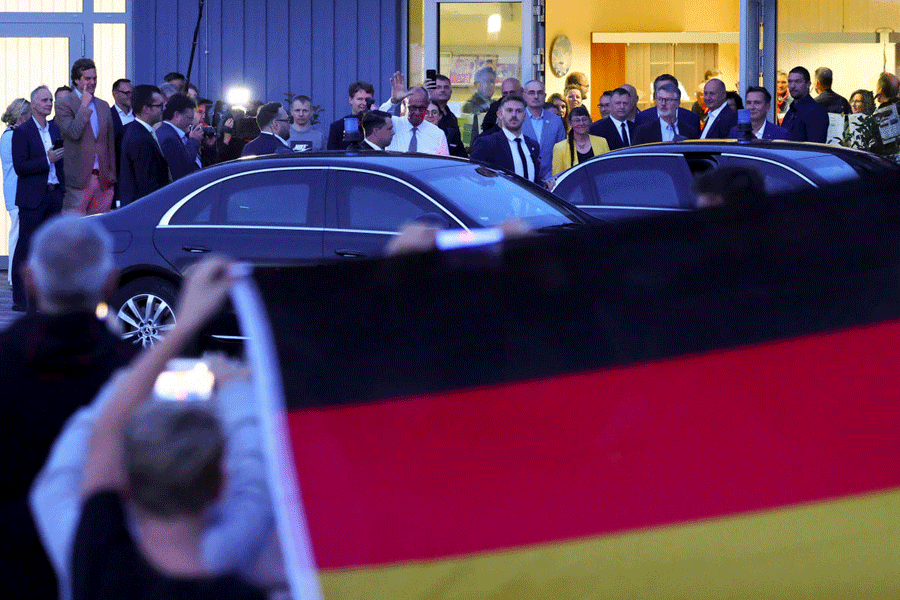
AfD Victory Highlights Europe’s Resurgent, Adaptable Far-Right Challenge

Trump Administration Plans $4 Million For Right-Wing Media Europe
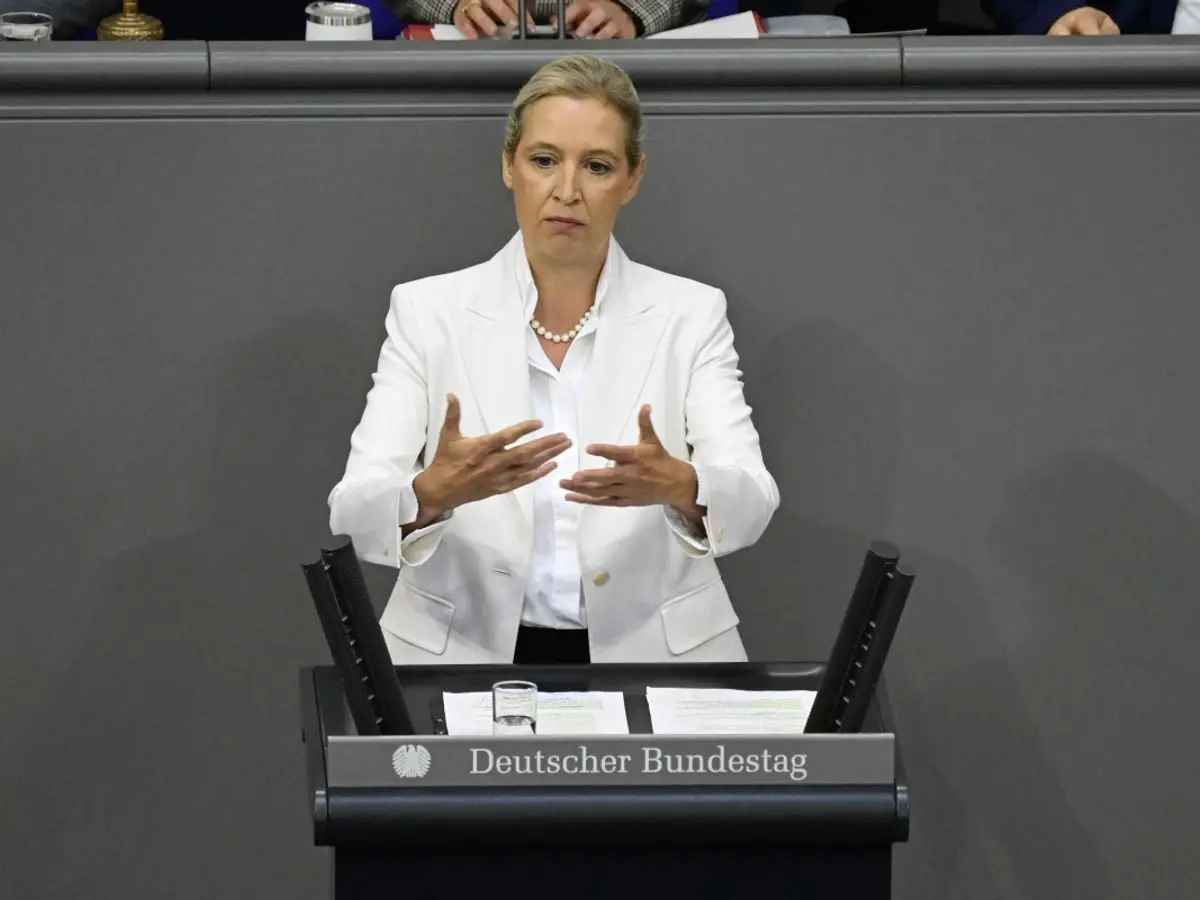
Europe’s Rightward Shift Puts Political Establishment Under Pressure

U.S. Grant Program Excludes French Groups Over Election Interference Concerns
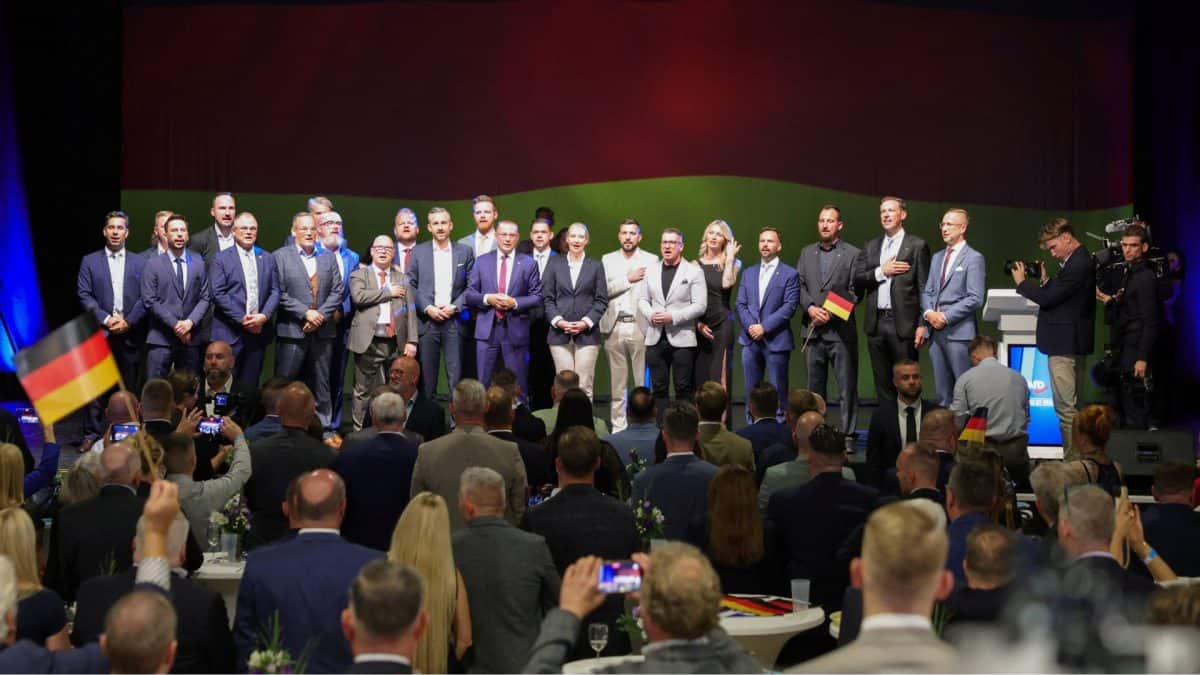
AfD Wins Historic Saxony-Anhalt Election, Challenging Germany’s Political Firewall

India’s BRICS Challenge: Building Cooperation Without Anti-Western Cohesion

August 2026 Tied July 2023 as Hottest Month Ever