1 month ago
Younger Adults Face Rising Oral Cancer Rates
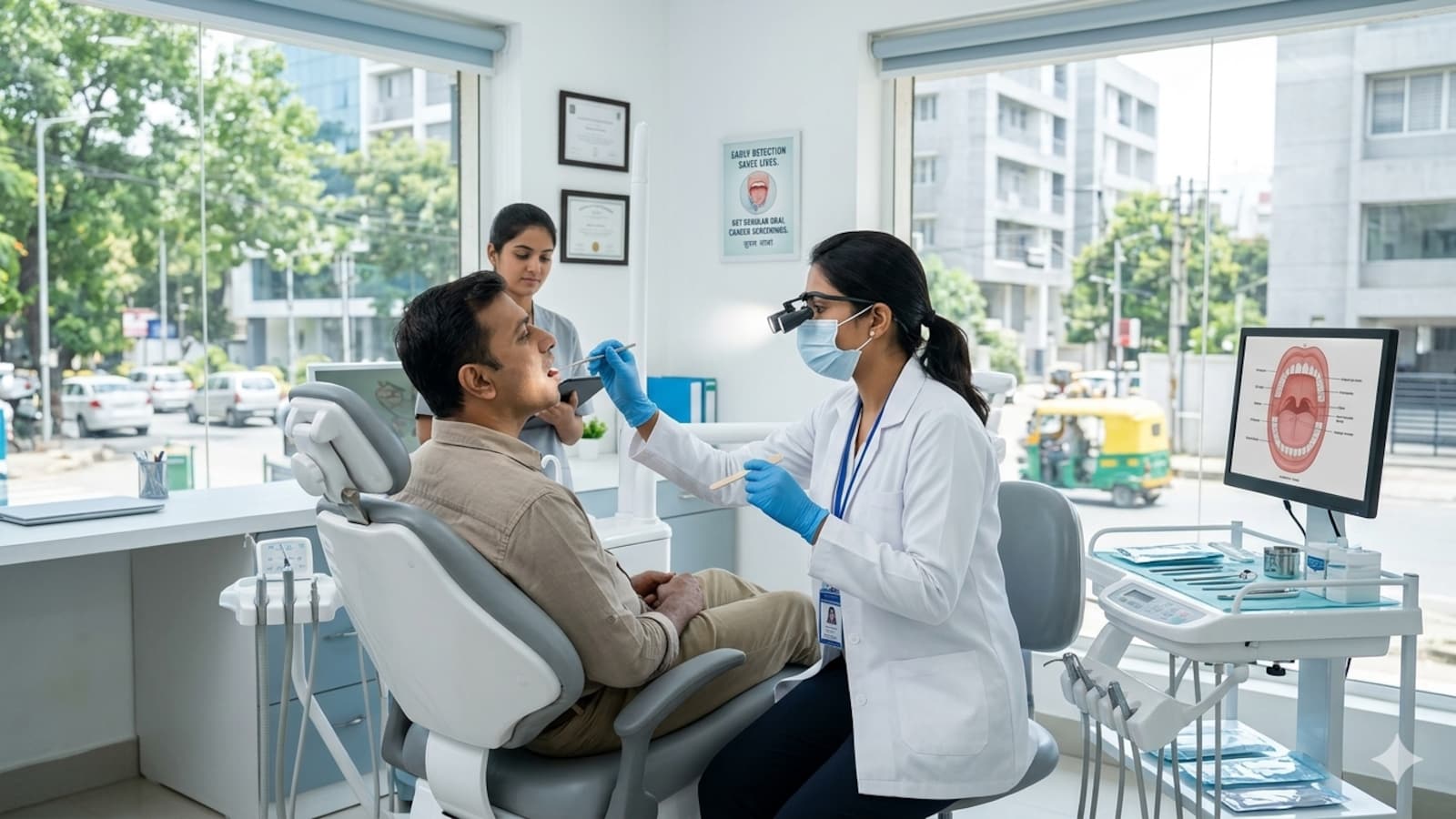
Oral cancer is usually linked to older adults and tobacco use, but now more younger adults are being diagnosed.
This is because of other factors like drinking alcohol, using areca nuts, not taking care of teeth, not eating healthy foods, and having certain viruses like HPV.
The good news is that oral cancer can often be seen early with changes in the mouth.
If people notice things like sores that don't heal, white or red patches, lumps, or trouble eating or speaking, they should see a doctor.
To prevent oral cancer, people should avoid tobacco and alcohol, take care of their teeth, eat healthy foods, go to the dentist regularly, and talk to their doctor about getting vaccinated against HPV.
Catching oral cancer early can make treatment easier and improve outcomes.

Oral cancer is increasingly being diagnosed in younger adults, including those in their twenties and thirties.
Risk factors include tobacco use, alcohol consumption, areca nut use, poor oral hygiene, nutritional deficiencies, genetic susceptibility, and HPV infection.
Early detection is possible through visible changes in the mouth, such as persistent sores, white or red patches, lumps, and difficulty eating or speaking.
Preventive measures include avoiding tobacco and alcohol, maintaining good oral hygiene, eating a balanced diet, attending regular dental check-ups, and discussing HPV vaccination with a healthcare provider.
Early detection and treatment can improve outcomes and preserve speech, swallowing, and facial appearance.
- Who
- Younger adults, including those in their twenties and thirties
- What
- Increasing cases of oral cancer
- Where
- Globally
- When
- Present day
- Why
- Due to factors like tobacco use, alcohol consumption, HPV infection, poor oral hygiene, and nutritional deficiencies
Preventive Measures
Risk Factors
Tobacco and Alcohol Use
Preventive Measures
Avoiding tobacco and limiting alcohol consumption are crucial preventive measures.
Risk Factors
Tobacco and alcohol use are significant risk factors for oral cancer.
HPV Infection
Preventive Measures
HPV vaccination can help lower the risk of oral cancer.
Risk Factors
High-risk HPV infection, particularly HPV-16, is a known contributor to oral cancer.
Oral Hygiene
Preventive Measures
Maintaining good oral hygiene and regular dental check-ups can prevent oral cancer.
Risk Factors
Poor oral hygiene and nutritional deficiencies can contribute to the development of oral cancer.
Key facts
- Leading Risk Factor
- Tobacco use
- Other Risk Factors
- Alcohol consumption, areca nut use, poor oral hygiene, nutritional deficiencies, genetic susceptibility, HPV infection
- Early Detection
- Visible changes in the mouth
- Preventive Measures
- Avoiding tobacco, limiting alcohol, good oral hygiene, balanced diet, regular dental check-ups, HPV vaccination
- Warning Signs
- Persistent mouth ulcer, white or red patches, lump or thickening, difficulty chewing/swallowing/speaking, unexplained bleeding, numbness, persistent pain
- Early Detection Benefits
- More localized treatment, preservation of speech, swallowing, facial appearance, improved long-term outcomes
Sources
Related news

Reliance Explores Aluminium Production Through Odisha Bauxite and Coal Gasification

Volvo EX90 and ES90 India Launch Set for October 12

Trump to meet mining CEOs in critical minerals push

IIT Roorkee Launches Online AI Programme for Working Professionals

Hindalco's Baphlimali Mine Becomes India's First ASI-Certified Bauxite Operation

Professor, Five Students Arrested in IGKV Paper Leak
Gujarat Couples Challenge IVF Age Cutoff Amid Advanced-Pregnancy Risks

Pregnancy Exercise Guidance After Kiara Advani’s ‘Toxic’ Shoot
Why Quitting Smoking Takes More Than Simple Willpower

H1N1 Surge Raises Concerns About Hidden Heart Risks

Health Ministry Reviews Preparedness as H1N1 Infections Surge