1 hr ago
SpaceX Plans First Starship Orbital Flight With Starlink Deployment
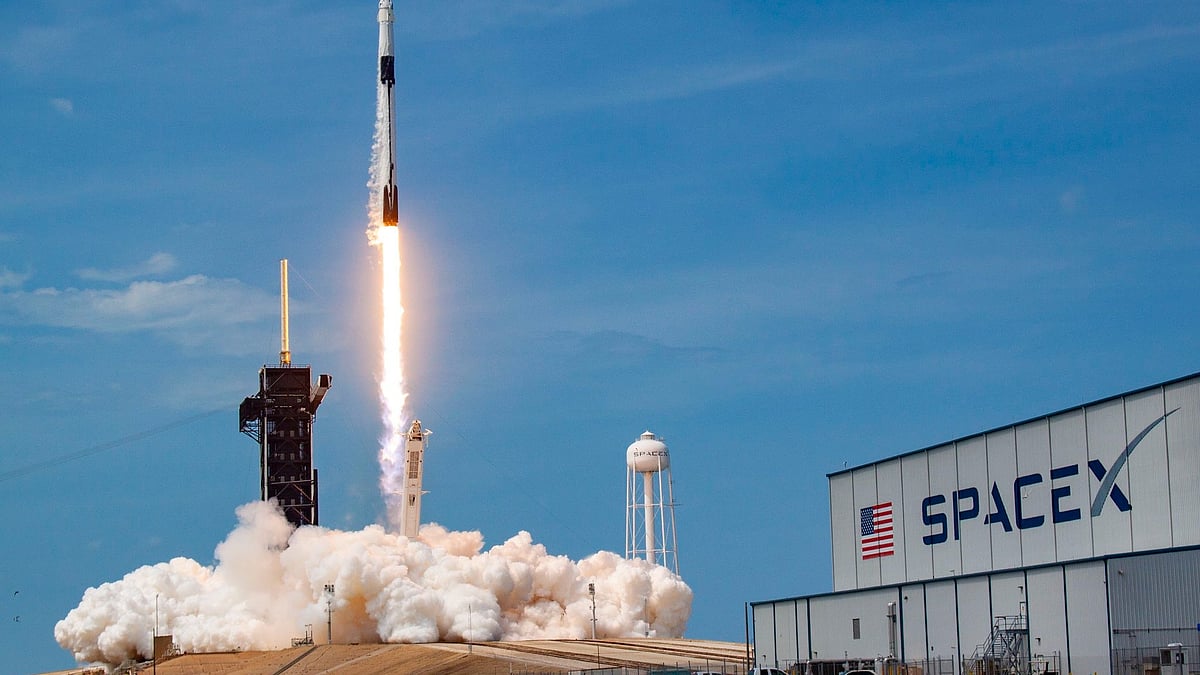
SpaceX plans to fly its Starship rocket around Earth for the first time.
This is the rocket’s 14th test flight.
The launch window opens at 7:15 a.m.
Central Time from Texas, if the weather is suitable.
The mission could last almost 10 hours.
Starship is planned to fly about 275 kilometers above Earth and make six trips around it.
It will also release 26 new Starlink V3 satellites.
After that, the spacecraft will try to leave orbit and land safely in the Pacific Ocean.
The large booster will separately try to land in the Gulf of America.
The test is meant to help make Starship reusable for future Moon and Mars missions.

SpaceX plans to attempt Starship’s first orbital flight during its 14th test mission.
The launch window opens at 7:15 a.m. Central Time from Starbase, Texas, subject to weather.
The mission is expected to last nearly 10 hours and complete about six orbits at roughly 275 kilometers altitude.
The upper stage is planned to deploy 26 Starlink V3 satellites before performing a controlled deorbit.
The Super Heavy booster will attempt an offshore Gulf of America landing without a tower catch.
- Who
- SpaceX, using its Starship spacecraft and Super Heavy booster.
- What
- An attempted first orbital flight for Starship, including the deployment of 26 Starlink V3 satellites.
- Where
- The launch is planned from Starbase, Texas; the spacecraft is targeted to splash down in the Pacific Ocean west of Chile, while the booster will attempt an offshore Gulf of America landing.
- When
- The 75-minute launch window opens today at 7:15 a.m. Central Time, or 5:45 p.m. IST.
- Why
- To begin testing Starship as a fully and rapidly reusable vehicle for future Moon and Mars missions, while deploying new Starlink satellites.
Key facts
- Mission
- Starship’s 14th test flight and planned first orbital attempt
- Launch window
- 75 minutes beginning at 7:15 a.m. Central Time, or 5:45 p.m. IST
- Planned altitude
- Approximately 275 kilometers above Earth
- Orbital plan
- About six orbits followed by a targeted Pacific splashdown west of Chile
- Satellite deployment
- 26 Starlink V3 satellites
- Satellite capacity
- Each satellite is designed to add about 1 Tbps, or 26 Tbps combined
- Booster landing
- Super Heavy will attempt an offshore Gulf of America landing without a tower catch
Sources
Related news

SpaceX Starship Prepares for First Orbital Test Flight
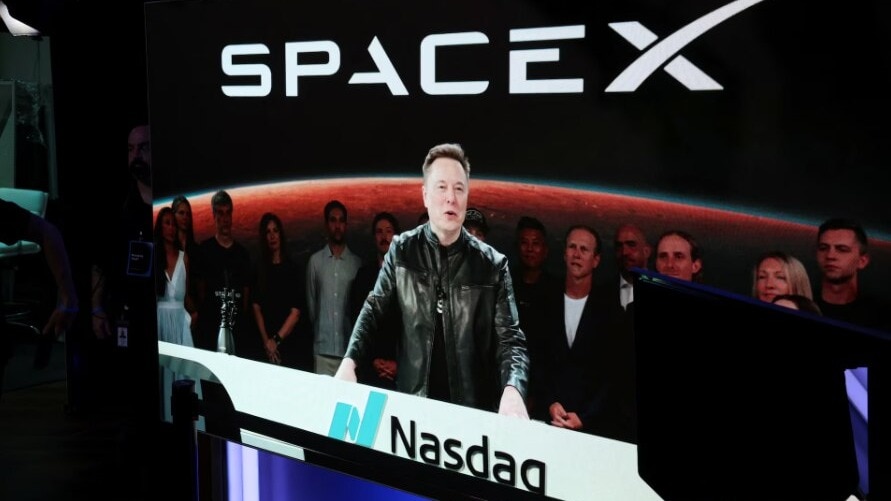
SpaceX Nasdaq 100 Weight Set to Rise After Rebalance
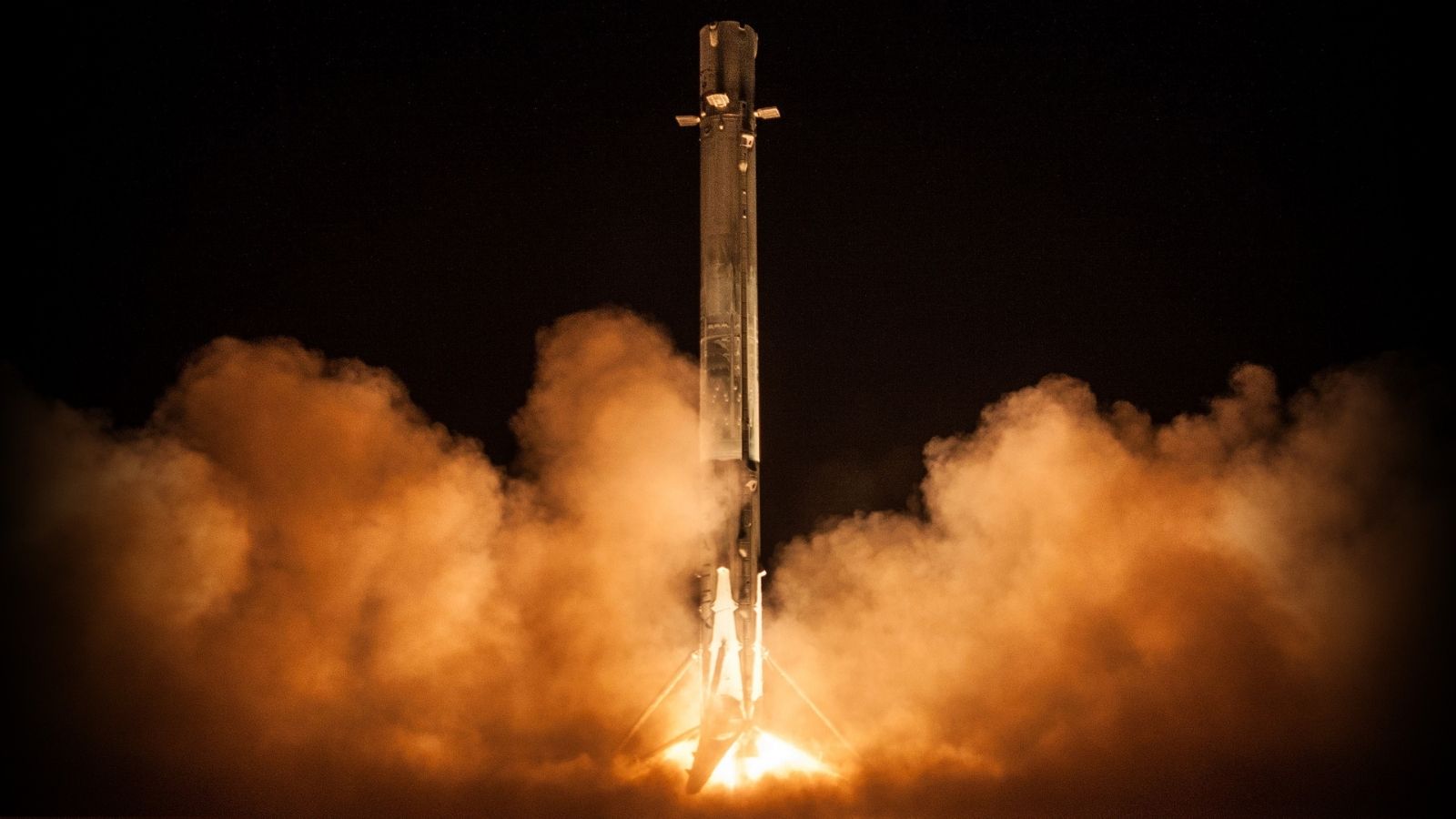
Indian startup TakeMe2Space plans orbital computing satellite launch on SpaceX

Skyroot Targets Second Vikram-1 Rocket Launch by 2026-End
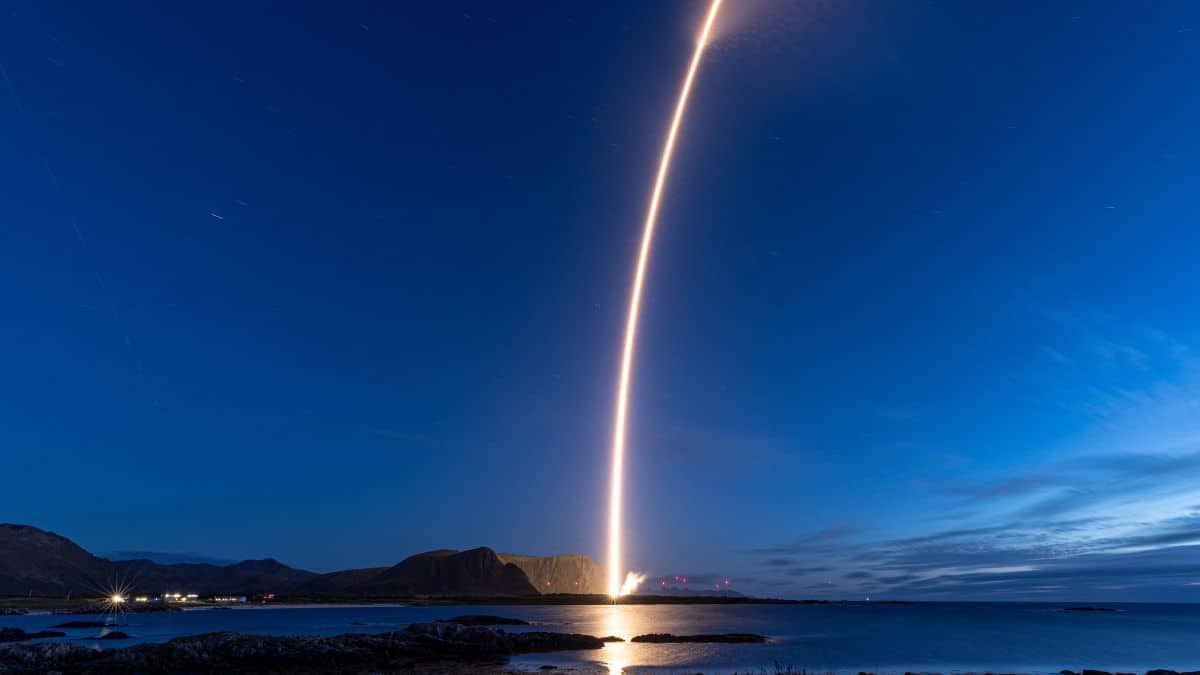
Isar Aerospace Rocket Reaches Orbit, Boosting Europe’s Space Ambitions
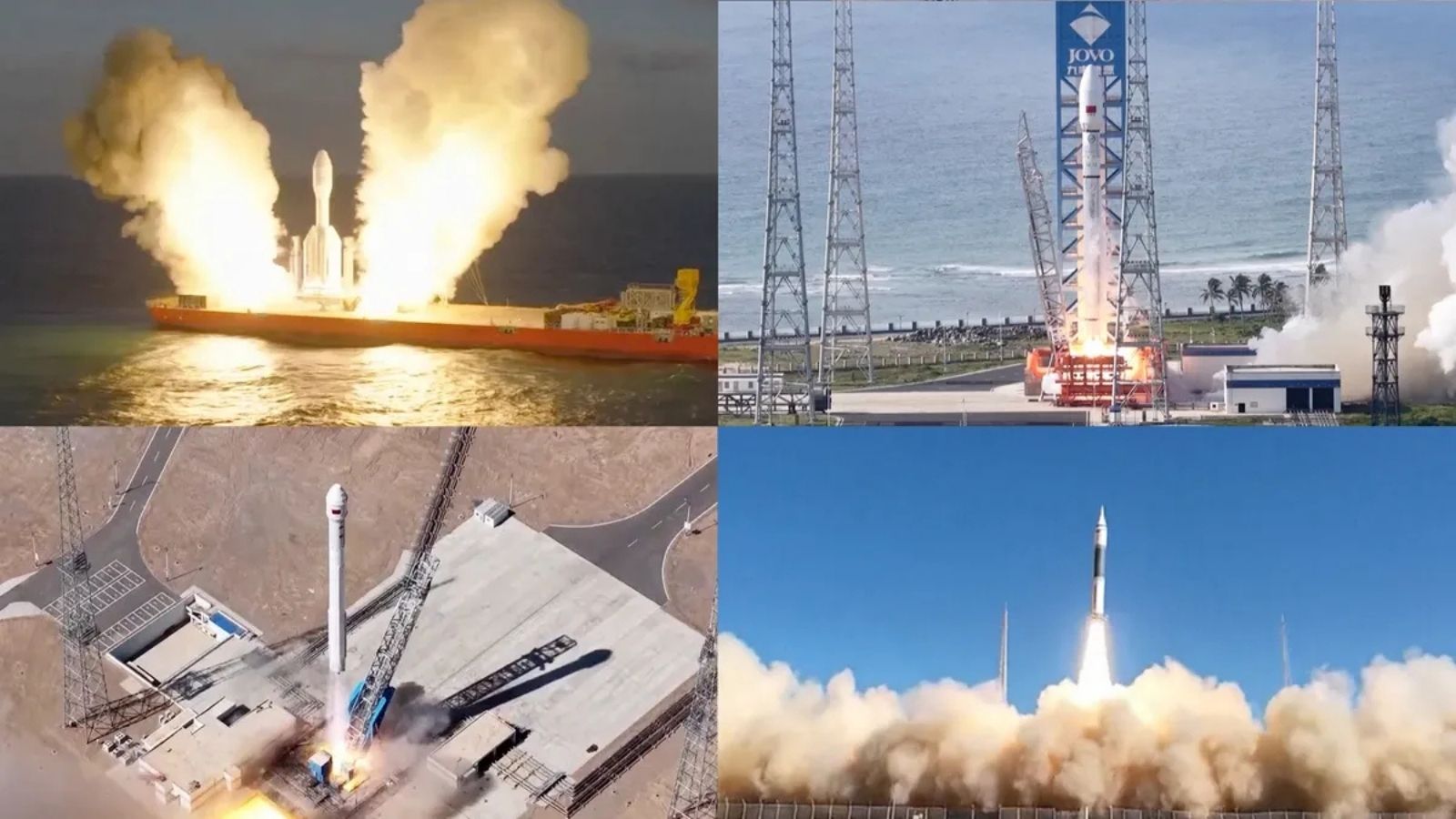
China Launches Four Rockets in 45-Hour Satellite Blitz

Supreme Court Revives Trump Voter Citizenship Database Amid Dispute

Strangers Raise $250,000 to Help 81-Year-Old Texas Delivery Driver

Texas Journalist Revisits H-1B Misconduct Allegations Against Consultancy

Texas Lawyer’s Courtroom Outfit Criticism Sparks Online Debate