3 weeks ago
India's MSME Opportunity Lies in Cluster-Based Development
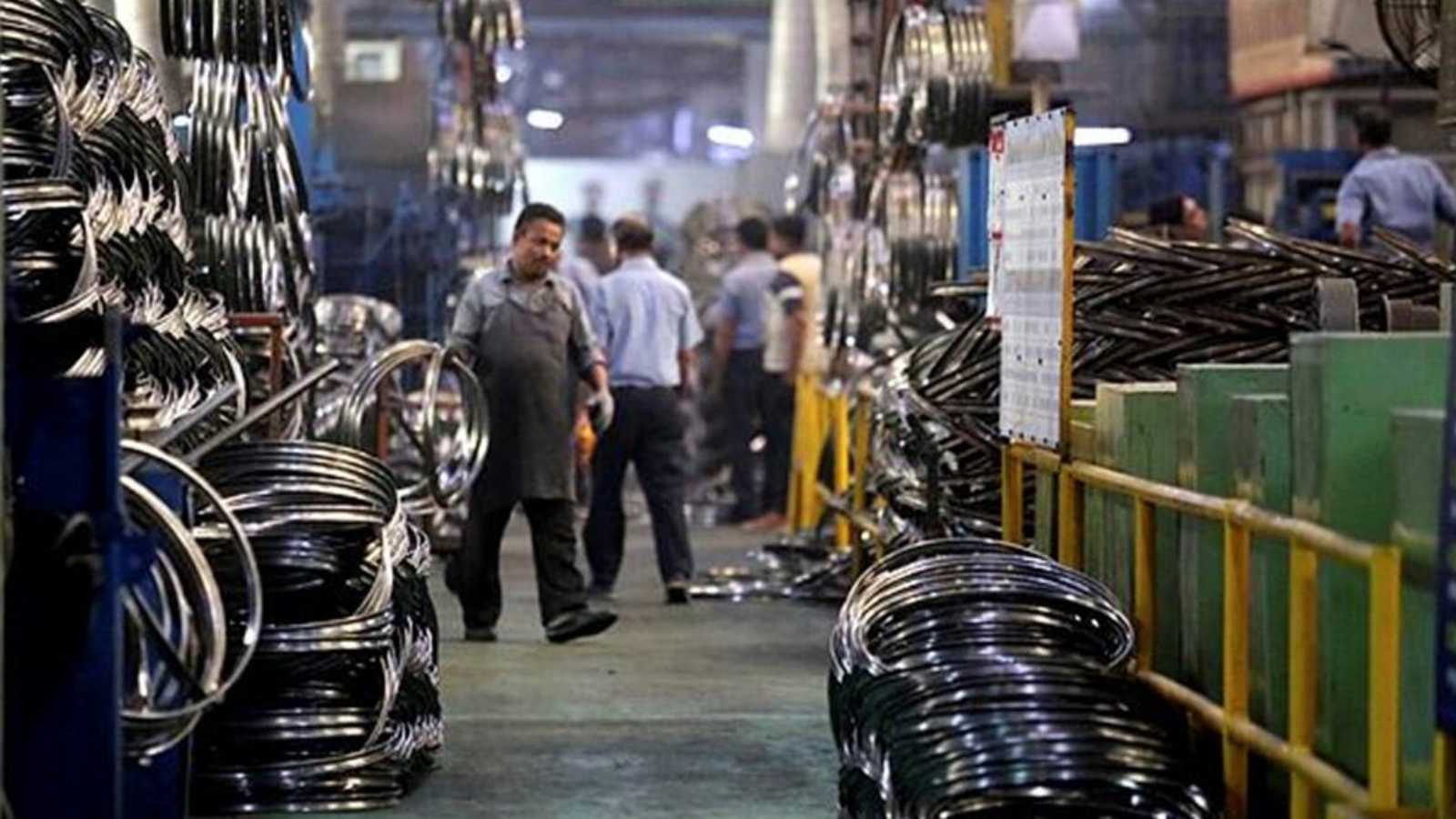
Small businesses in India are called MSMEs, and there are about 63 million of them.
Together, they give jobs to more than 320 million people and make up roughly 31 per cent of India's GDP.
But many small businesses work alone and struggle to get affordable loans or deal with lots of rules.
Two professors wrote an article saying small businesses should team up in 'clusters'—groups of similar companies located close together.
In a cluster, businesses can share expensive facilities like testing labs and delivery hubs, and workers can move easily between companies.
The United States and China grew strong industries this way, for example with universities in North Carolina supporting a biotech hub and Shenzhen in China building dense supplier networks.
The professors suggest India build special clusters for things like car parts in Pune, medicines in Hyderabad, and electronics in Sriperumbudur.
They also want banks to give loans to whole clusters instead of just one company, and universities to work more closely with nearby businesses.
This could help small businesses create more jobs, raise productivity, and sell more products to other countries.

The recent Jantar Mantar protests over the NEET paper leak highlighted a deeper problem of youth unemployment, which MSMEs could help address.
India's 63 million MSMEs employ more than 320 million people and contribute about 31 per cent of GDP, 35 per cent of manufacturing output, and 49 per cent of exports.
The MSME Development (Amendment) Bill, 2026 aims to address delayed payments, ease dispute resolution, and reduce compliance burdens, but the article says more is needed.
The authors point to US and Chinese cluster models, such as North Carolina's Research Triangle and Shenzhen in Guangdong, as examples of ecosystem-building.
Proposed policies include specialised clusters (auto components in Pune, pharmaceuticals in Hyderabad, electronics in Sriperumbudur), a Little Giant-style programme, cluster-based lending, and closer university-industry ties.
- Who
- Professor-authors Nilanjan Banik and Pradeep Racherla of the Economic Policy Centre, Mahindra University, who wrote the analysis on India's MSME sector.
- What
- A call for India to build specialised industrial clusters, improve cluster-level financing, and strengthen university-industry links to make MSMEs engines of jobs, productivity, and exports.
- Where
- India, drawing on examples from the US (North Carolina's Research Triangle), China (Guangdong and Shenzhen), and Indian hubs such as Pune, Hyderabad, Sriperumbudur, and Tiruppur.
- When
- No specific date is given; the article refers to the recent Jantar Mantar protests and the MSME Development (Amendment) Bill, 2026.
- Why
- To address high youth unemployment, widespread underemployment, and the threat of AI-driven job disruption.
Key facts
- Number of MSMEs in India
- 63 million
- Employment
- More than 320 million people
- Share of GDP
- About 31 per cent
- Share of manufacturing output
- 35 per cent
- Share of exports
- 49 per cent
- Policy bill referenced
- MSME Development (Amendment) Bill, 2026
- Existing cluster initiatives
- MSME Cluster Development Programme; PM MITRA textile parks
- Authors' affiliation
- Economic Policy Centre, Mahindra University
Sources
Related news
UPSC Mains Practice: MSME Challenges and Himalayan Landslide Risks

NITI Aayog Proposes Industrial Clusters to Boost India's Global Manufacturing

Readers propose stronger, wider, more resilient Indian GCC growth

Central Bank of India Extends Rs 222 Crore MSME Support

India’s GCCs Shift From Back Offices Toward Innovation
Tamil Nadu Plans GI Tags for 10 Agricultural Products

Kailash Mansarovar Pilgrims Reach India After Nepal Flood Detour

Soori’s Salary Rises From Rs 20 To Rs 25 Crore

The Indian Districts Dominating Exports Across Product Categories
Railways Announces Sambalpur–Podanur Puja Festival Special Train Services