1 week ago
US Offers Iran Sanctions Relief for Hormuz Access
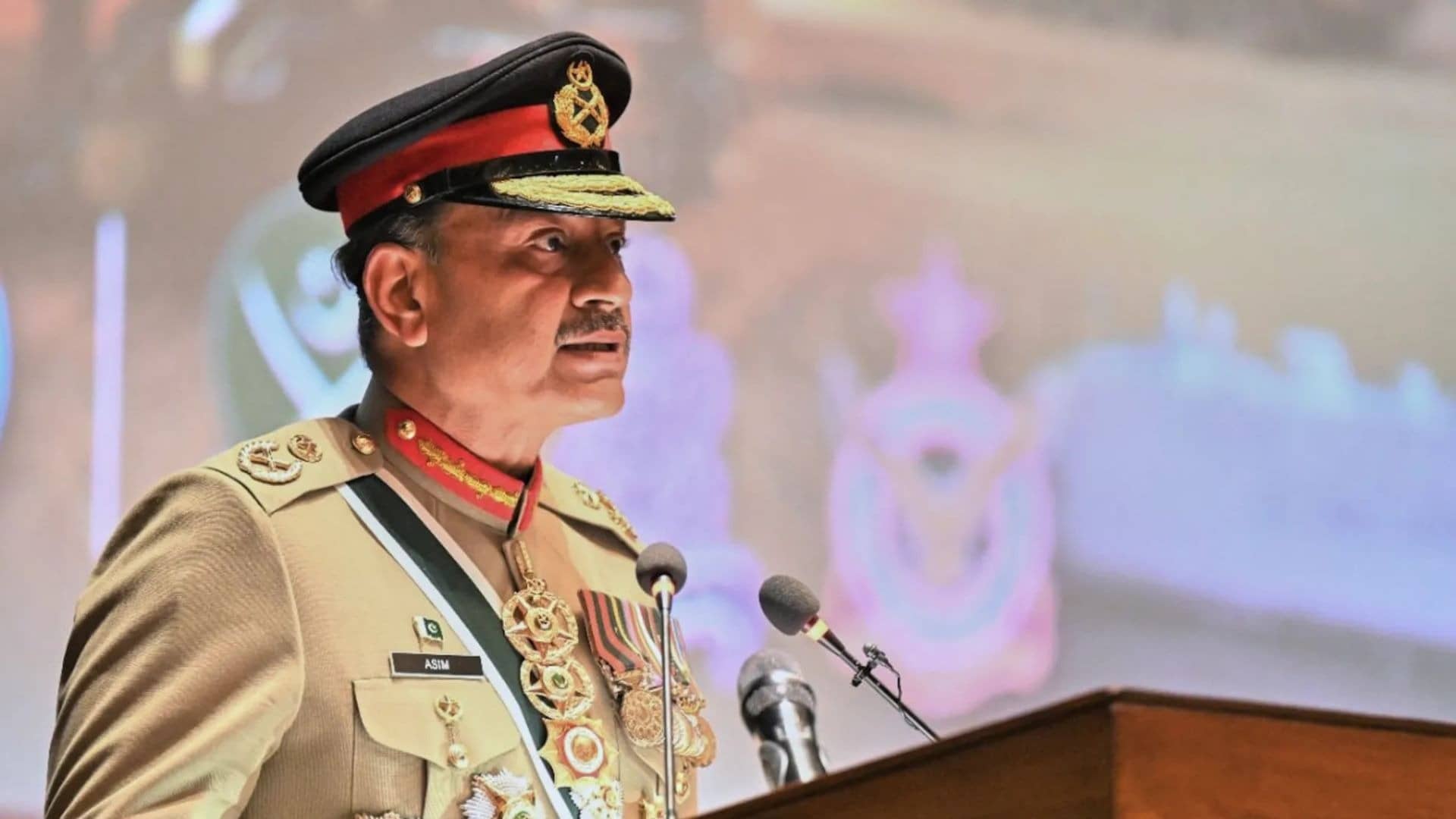
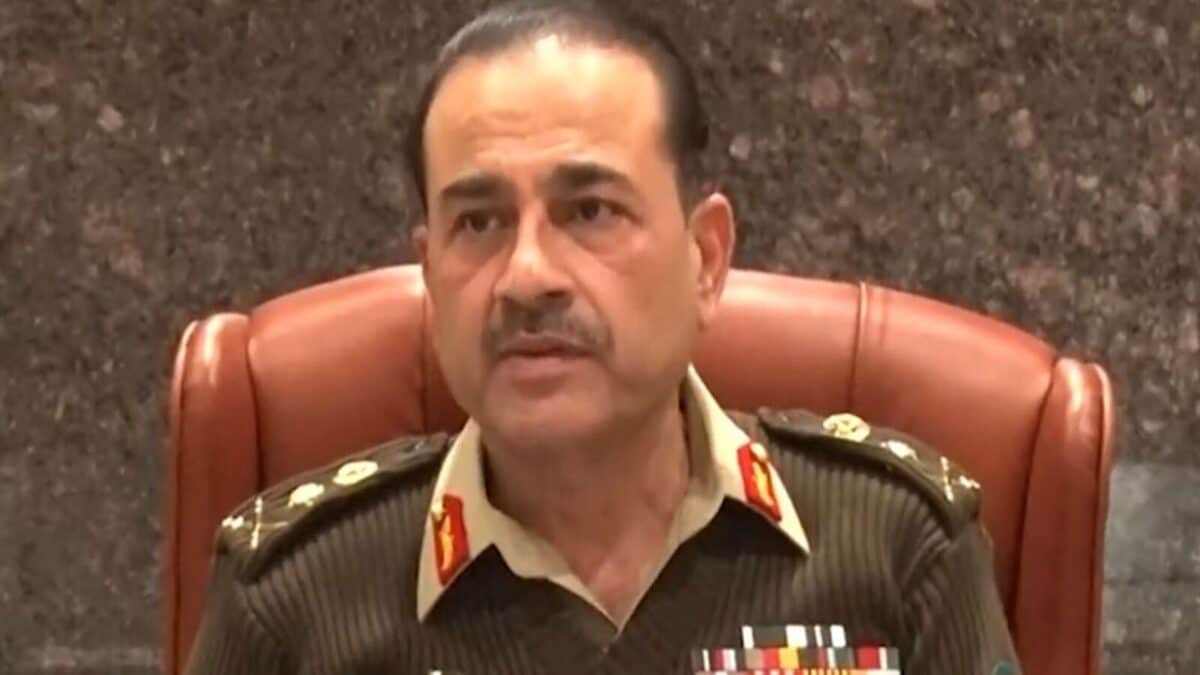
The United States made Iran an offer through Pakistan’s army chief, Asim Munir.
The offer would remove some blockades and economic sanctions.
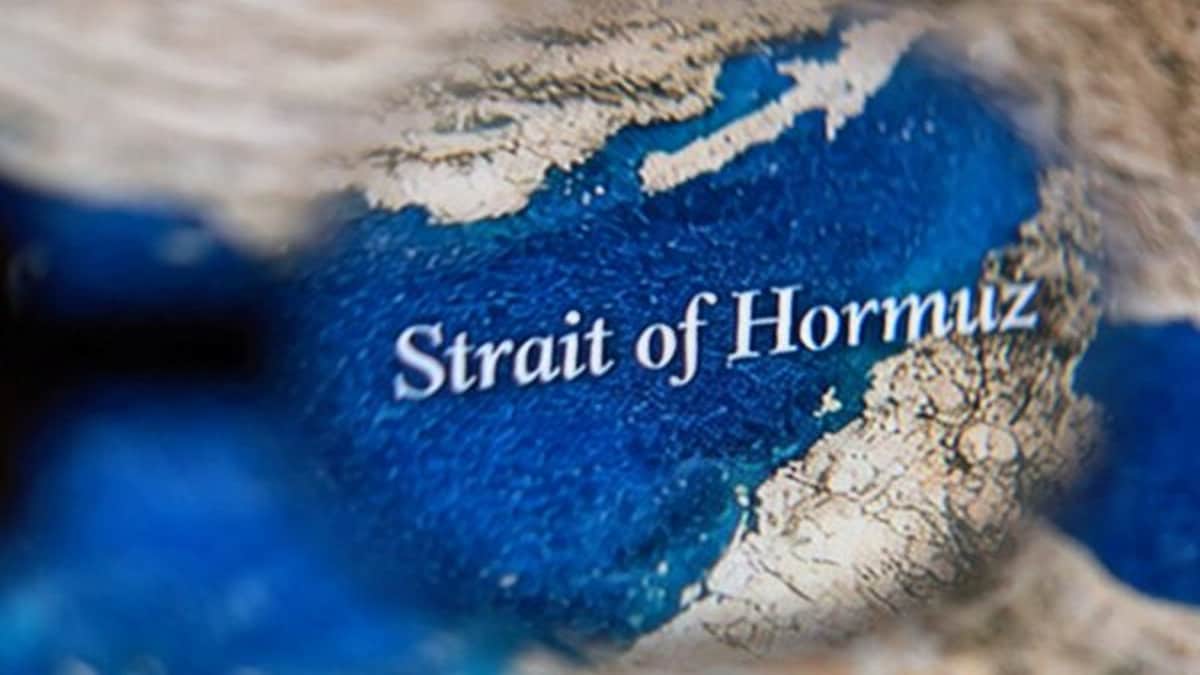
In return, Iran would need to keep the Strait of Hormuz open.
Iran would also need to stop attacks by groups linked to it.
Iranian leaders said the United States must first change its behavior.
They accused Washington of breaking earlier promises.
The talks happened while the United States continued quiet diplomacy with countries trading with Iran.
Washington is also preparing possible new sanctions if diplomacy does not succeed.

The United States proposed lifting maritime blockades and economic sanctions if Iran reopens the Strait of Hormuz.
Pakistan Army Chief Asim Munir conveyed the proposal during diplomatic talks in Tehran.
Washington also demanded Iran halt attacks by regional proxy groups and resume compliance with a 14-point memorandum.
Iranian officials called for practical US changes, citing alleged breaches and opposing coercive pressure.
The United States is pursuing quiet diplomacy while preparing possible sanctions on Iran’s digital assets, technology, and shipping sectors.
- Who
- The United States, Iran, Pakistan Army Chief Asim Munir, and Iranian officials including Mohsen Rezaei, Mohammad Bagher Ghalibaf, and Masoud Pezeshkian.
- What
- The United States proposed lifting blockades and economic sanctions in exchange for freedom of navigation through the Strait of Hormuz and an end to attacks by Iranian-linked groups.
- Where
- The diplomatic discussions took place in Tehran and concerned the Strait of Hormuz and regional operations.
- When
- The proposal was conveyed during Asim Munir’s high-level visit to Tehran, after a telephone conversation the previous week between Donald Trump and Munir.
- Why
- Washington seeks to restore navigation and reduce regional attacks, while Iran is being asked to resume compliance with a 14-point memorandum of understanding.
Iran’s Position
United States’ Position
Conditions for de-escalation
Iran’s Position
Iran said the United States must change its behavior and take practical steps to implement the memorandum before progress can occur.
United States’ Position
The United States offered to lift blockades and economic sanctions if Iran guarantees navigation through the Strait of Hormuz and stops regional attacks.
Responsibility for broken understandings
Iran’s Position
Iranian officials, including Mohammad Bagher Ghalibaf, said numerous US breaches created distrust and blocked regional stability.
United States’ Position
The proposal states that both Washington and Tehran bear responsibility for disrupting previous bilateral understandings.
Use of pressure
Iran’s Position
President Masoud Pezeshkian warned that American coercion and bullying would complicate diplomacy, while expressing support for peaceful regional cooperation.
United States’ Position
Washington is maintaining diplomatic channels but is also preparing expanded sanctions and considering timelines for third countries to sever economic ties with Iran.
Key facts
- Proposed US concessions
- Lifting maritime blockades and economic sanctions.
- Iranian commitments sought
- Guaranteeing freedom of navigation through the Strait of Hormuz and halting attacks by regional proxy groups.
- Messenger
- Pakistan Army Chief Asim Munir conveyed the proposal to Iranian officials.
- Existing framework
- A 14-point Memorandum of Understanding signed with Washington in June.
- Iranian response
- Officials demanded practical US steps and cited alleged American breaches of earlier commitments.
- Additional US pressure
- Washington is preparing possible sanctions targeting Iran’s digital assets, technology, and shipping sectors.
Quotes

Mohsen Rezaei
Secretary of Iran’s Supreme National Security Council and representative of the Supreme Leader
“must change its behaviour and take practical steps to implement the terms of the memorandum of understanding.”
 republicworld.com
Sources
Related news
Reports Say Munir Carried US Framework to Iran, Unconfirmed
Iran Seeks June MoU Revival as Hormuz Conditions Emerge
Pakistan Army Chief to Visit Tehran Amid Stalled US-Iran Talks
Iran Issues Sweeping Demands for Strait of Hormuz Reopening

Iran Demands US Concessions Before Reopening Strait of Hormuz
Hormuz Strait stays shut until U.S. meets Iran deal conditions
Iran Seizes Fuel-Smuggling Vessel in Gulf, Arrests 11 Crew
Trump Floats Renaming Strait of Hormuz as “Trump Strait”

Chevron Plans $7 Billion Venezuela Expansion Amid U.S. Oil Push
Saudi Tanker Hit in Hormuz, Killing Two Filipino Sailors
U.S.-Iran Exchange Escalates Across Middle East, Markets Slide