1 hr ago
Srinagar and Bengaluru Train Ordinary People to Perform CPR
Sometimes a person’s heart suddenly stops pumping blood properly.
This is called cardiac arrest, and it is different from a heart attack.
When it happens, the brain and other organs quickly stop getting the oxygen they need.
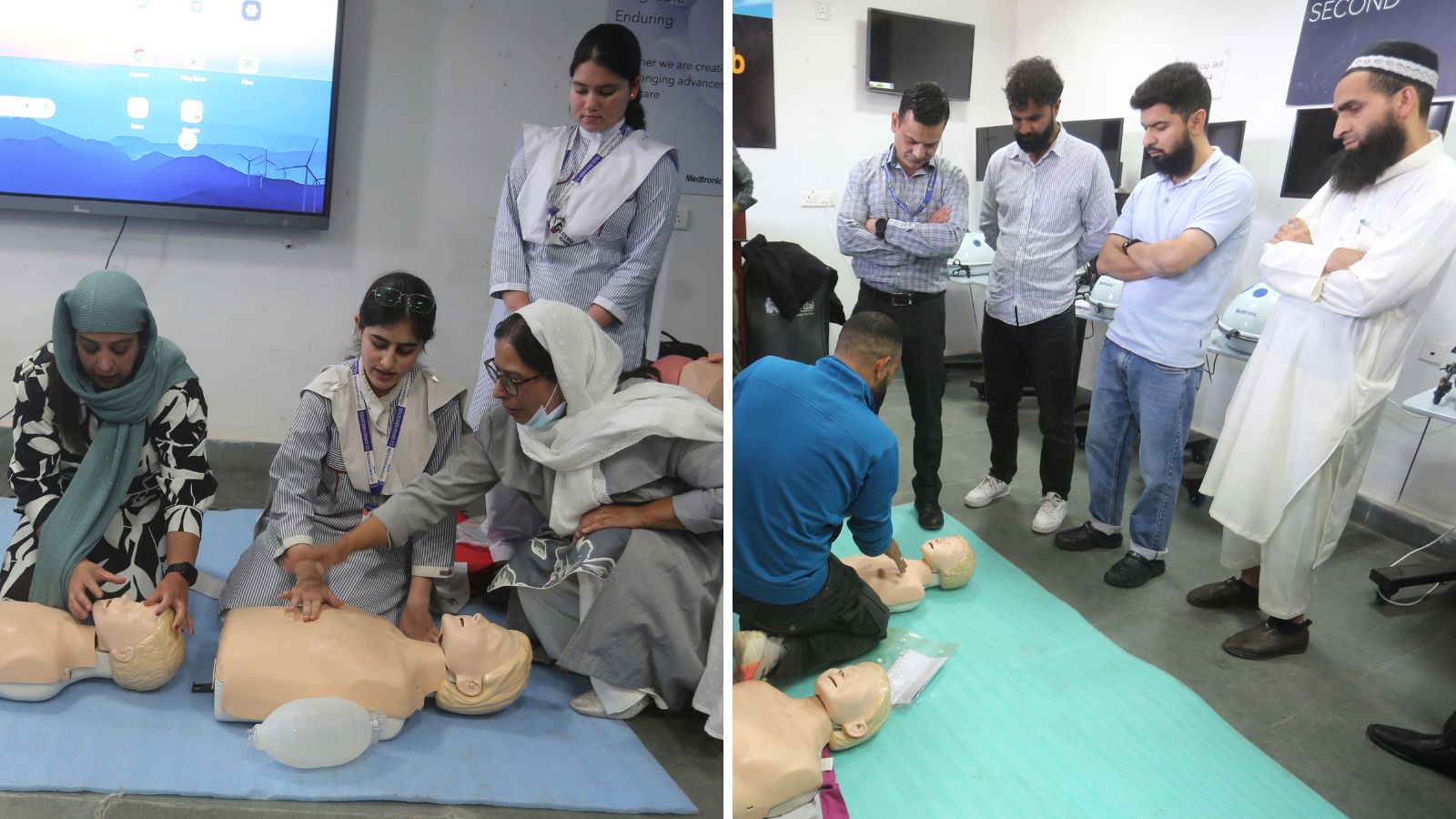
People in Srinagar and Bengaluru are learning CPR so they can help before medical professionals arrive.
CPR uses firm, quick pushes in the middle of the chest to move blood around the body.
The article recommends 100–120 pushes each minute for hands-only CPR.
Training can help people feel more confident, but the article says fear of not being certified should not stop someone from acting.
The effort also highlights the need for more publicly available defibrillators.

A trekker in Srinagar used CPR to help keep his friend alive after a cardiac arrest during a marathon.
A cardiologist at SKIMS is training schoolchildren, guides, gym staff, traffic police and other community members.
In Bengaluru, hospital-led campaigns are teaching CPR to traffic police, autorickshaw drivers and residents.
Hands-only CPR means pushing hard and fast in the centre of the chest at 100–120 compressions per minute.
The article says CPR can sustain blood flow while emergency help is on its way; wider AED access is also encouraged.
- Who
- Community members, including guides, schoolchildren, gym instructors, traffic police, autorickshaw drivers and residents, are learning CPR with support from medical professionals and hospitals.
- What
- CPR training is being taken beyond hospitals to help bystanders respond to sudden cardiac arrest.
- Where
- Srinagar and Bengaluru, India.
- When
- The article describes ongoing training efforts and recounts a marathon incident from the previous year.
- Why
- Bystanders may be present during the critical minutes before an ambulance or professional medical help arrives.
Why bystanders should act
Barriers and needs
Bystander CPR
Why bystanders should act
The article’s doctors and trainees argue that chest compressions can maintain blood flow while professional help is being mobilised, and that ordinary people can learn the skill.
Barriers and needs
The article describes people who hesitate because they assume CPR is only for doctors, while low bystander-CPR rates in cited studies show that action is not consistently taken.
Emergency response infrastructure
Why bystanders should act
Community training can help people act during the first minutes of an emergency, particularly in locations far from advanced care.
Barriers and needs
The article notes that most public institutions lack AEDs and calls for broader public access to them, as well as improved training for ambulance personnel.
Key facts
- Recommended compression rate
- 100–120 chest compressions per minute
- Recommended adult compression depth
- About 5–6 cm
- Reported CPR survival effect
- The American Heart Association says immediate CPR can double or triple a cardiac-arrest victim’s chance of survival.
- North India study
- A study of 80 out-of-hospital cardiac-arrest cases reported a bystander-CPR rate of 1.3%.
- Indian cardiac-arrest registry
- Bystander CPR was recorded in 26% of 123 out-of-hospital cases; no AED was used in those cases.
- Srinagar training group size
- Dr Imran Hafiz’s team trains groups of no more than 50 people at a time.
- AED
- An Automated External Defibrillator can detect an irregular heart rhythm and deliver an electric shock to help restore a normal heartbeat.
Quotes
Dr Imran Hafiz
An interventional cardiologist at SKIMS who runs CPR training camps.
“I urge everyone to learn CPR. It is simple, highly effective, and gives you the power to step up and save a life when it matters most.”
 indianexpress.com
“They are not medical professionals. They simply happen to be where an emergency occurs and are our first responders.”
indianexpress.com
Sources
Related news

TISS Student’s Cardiac Arrest Highlights Need for Campus Preparedness
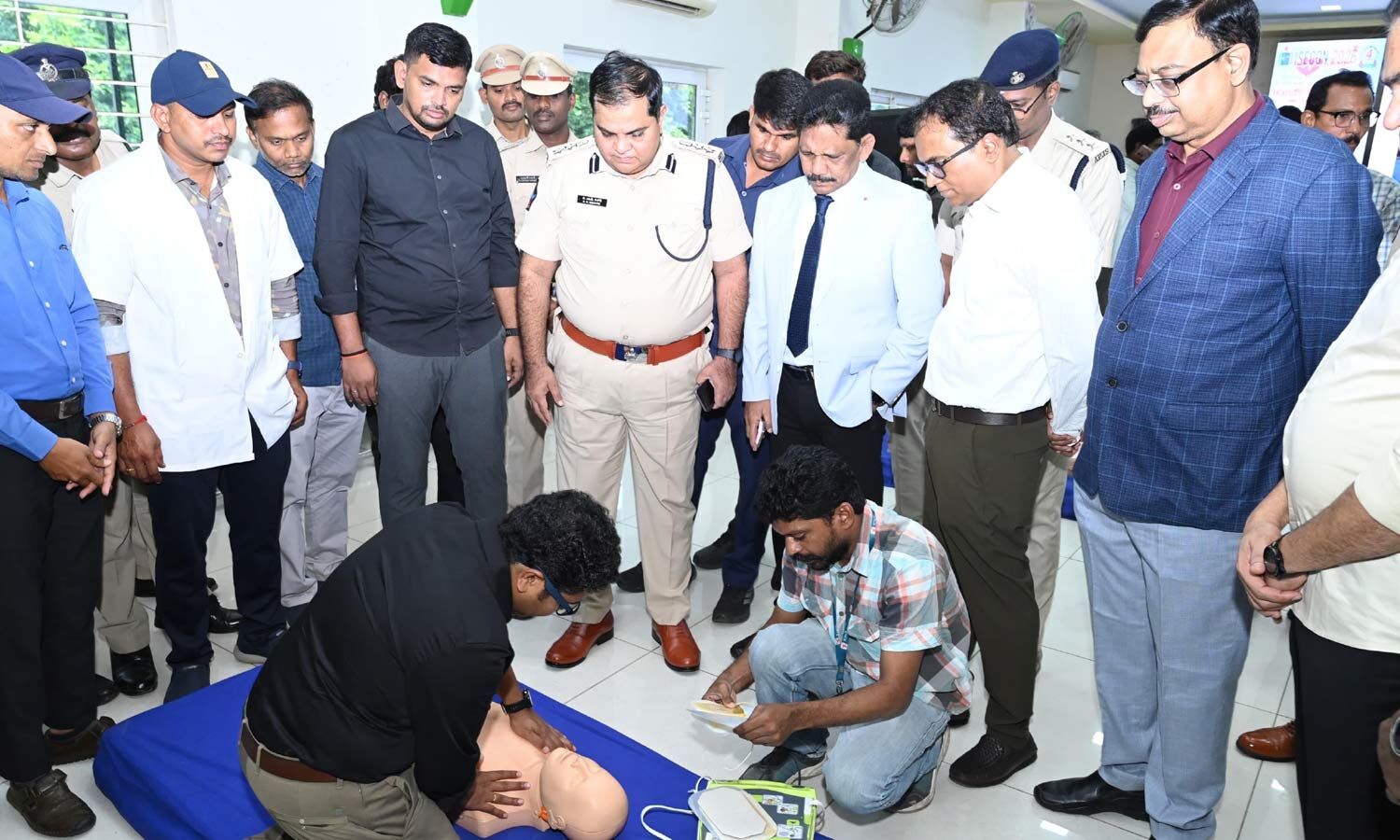
Police and Prison Staff Receive Hands-On CPR Training
World First Aid Day Highlights Essential Life-Saving Skills
Dombivli Traffic Constable Performs CPR, Helps Biker Reach Hospital

World First Aid Day Highlights Essential Skills for Students
Retired Scientist Dies After Cardiac Arrest at Satara Half Marathon

Omar Abdullah Reviews Jammu and Kashmir Healthcare Strengthening
J&K Intern Doctors Intensify Stipend Protest, Begin Hunger Strike

J&K Medical Interns Escalate Stipend Protest With Hunger Strike

Territorial Army Jawan Drowns in J-K; CRPF Constable Hurt